
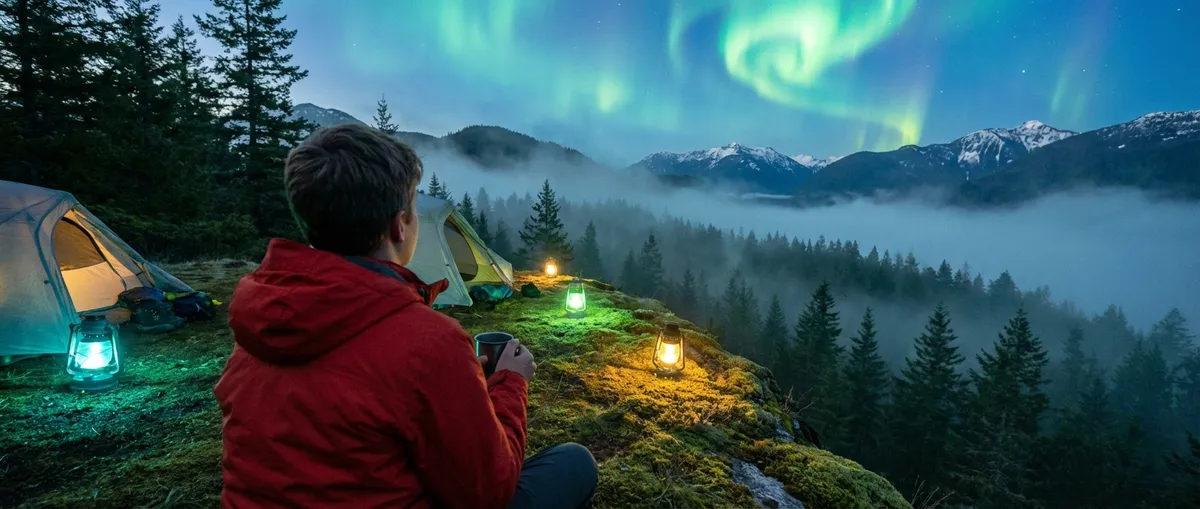
Camping isn’t just about pitching a tent and roasting a few marshmallows anymore—it’s about waking up to mist over a quiet lake, finding that overlook nobody else posted on Instagram, and knowing you packed exactly what you needed (and nothing you didn’t). Whether you’re a first‑time camper or a veteran dirtbag with a well‑broken‑in pack, this guide will help you plan smarter trips, uncover hidden gems, and build flexible itineraries that feel like an adventure, not a checklist.
Choosing Your Adventure: Campsites, Seasons, and Styles
Before you start tossing gear into a duffel, decide what kind of camping experience you’re actually chasing. Are you imagining forested backpacking routes, lakeside car camping with a cooler full of food, or dispersed camping down a dusty forest road where your nearest neighbor is a mile away? Your style dictates everything from the tent you bring to whether you need a printed map or a campground hookup. Consider your season, too: shoulder seasons (late spring and early fall) often deliver cooler temps, fewer crowds, and more wildlife activity, but may require extra layers and better weather awareness.
Think about your “comfort baseline” honestly. If you’re new, choose developed campgrounds with potable water, restrooms, and clearly marked sites; these reduce stress and let you focus on learning the basics. More seasoned campers can branch out into national forest or Bureau of Land Management (BLM) land, where dispersed camping often means more solitude and starry skies. Finally, match the trip length to your experience: a one‑night shakedown trip close to home is ideal for beginners and a smart way for veterans to test new gear before bigger expeditions.
Hidden Gems: Finding Campsites Beyond the Crowds
The most memorable campsites are often the ones just off the obvious path. Instead of defaulting to the most famous national park in your region, look at nearby national forests, state parks, and lesser‑known recreation areas. These spots often share the same ecosystems and views with a fraction of the reservations and crowds. For example, a national forest adjacent to a big‑name park can offer similar scenery, easier permits, and more flexible rules about where you can camp.
To find under‑the‑radar locations, combine digital tools and old‑school research. Use online maps to look for lakes, trail networks, or rivers slightly away from main roads, then cross‑reference with official land‑management sites to confirm camping regulations. Chat with rangers—they’re walking guidebooks for local hidden gems, from quiet walk‑in sites along lesser‑used trails to primitive campgrounds tucked up side canyons. When you arrive, follow the “100‑yard rule”: take a short walk from obvious viewpoints, parking, or trail junctions before you settle; that small extra effort often buys you a private sunrise.
Smart Packing: The Minimalist but Prepared Camp Kit
A successful camping trip starts on your living room floor, with everything spread out where you can see it. Think in systems: sleep, shelter, clothing, kitchen, navigation, safety, and comfort. For sleep, prioritize a quality sleeping pad as much as the sleeping bag—insulation from the ground can matter more than the bag’s rating on chilly nights. For shelter, choose a tent that’s quick to set up in the dark and stable in wind; practice pitching it at home until it’s muscle memory, then store the poles, stakes, and rainfly where you can grab them first.
Adopt a packing mantra: “multi‑use over single‑use.” A buff can be a hat, mask, towel, or pot‑grabber; a lightweight trekking umbrella can double as sun and rain protection; a titanium mug can be both your bowl and your cup. Pre‑pack a dedicated camp kitchen kit—stove, lighter, backup fire starter, small cutting board, spice kit, washcloth, and collapsible basin—so you can grab and go. Use packing cubes or dry sacks to separate clothing by function: sleepwear in one, active layers in another, rain gear and warm layers in a quick‑access bag. Finally, keep a tiny “oh‑no” kit: duct tape wrapped around a water bottle, a few safety pins, a needle and dental floss, and extra batteries or a power bank.
Eat Like an Explorer: Simple, Trail‑Tested Camp Meals
Your meals should be easy, satisfying, and resilient if plans change. For dinner, think “one pot, several variations”: a base of instant rice, couscous, or pasta combined with shelf‑stable proteins (foil‑pack chicken or tuna, pre‑cooked sausages, dehydrated beans), plus a few flavor boosters like olive oil, soy sauce, and spice packets. This approach lets you improvise whether you’re at a drive‑in campsite with a cooler or ten miles up‑trail relying on a backpacking stove. For breakfast, aim for fast and warm: oatmeal with nuts and dried fruit, tortillas with peanut butter and honey, or quick‑cook eggs if you have a cooler.
Snacks are your secret weapon. Pack calorie‑dense foods that won’t pulverize in your pack: mixed nuts, jerky, sturdy granola bars, hard cheeses, and dark chocolate. Create a dedicated “snack bag” you can hand over to hiking partners to encourage everyone to eat consistently; energy drops before morale does. Always build in one extra day of food for unforeseen detours or weather holds, even on short trips. Whatever you pack, portion and pre‑bag ingredients at home—this cuts down on trash, saves time in camp, and reduces the chances of forgetting a key ingredient like salt or coffee.
Crafting an Itinerary: Adventure with Built‑In Flexibility
The most rewarding camping itineraries are structured enough to keep you safe, but loose enough to let you chase those serendipitous moments—a side trail to a viewpoint, an unplanned swim, or extra time watching sunrise burn off the valley fog. Start by anchoring your trip with fixed points: where you’ll sleep each night, how long it takes to get there, and any hard deadlines like permit windows or shuttle times. Then, weave in optional “micro‑adventures”: a short evening hike from camp, a sunrise paddle if there’s a lake nearby, or a post‑hike nap in a hammock.
Always plan with “escape valves.” Identify bailout routes if weather or fatigue cuts your big hike short and know any nearby established campgrounds in case your preferred spot is full or inaccessible. Give yourself generous daytime margins: aim to arrive at camp at least two hours before sunset, leaving time for setup, collecting water, and scouting the area. Build rest days or “light days” into longer trips—a short hike to a new camp, then an afternoon of reading, journaling, or wandering the shoreline. This creates space for your body to recover and your mind to actually process where you are, instead of turning your trip into an endurance event.
Safety, Stewardship, and Reading the Land
Every campsite tells a story if you know what to look for. Before you set up, scan for hazards—dead branches overhead, evidence of past flooding, anthills or rodent burrows, and prevailing wind direction. Note the sun’s path: is your tent spot going to roast at sunrise or stay chilly and damp all morning? Set up your kitchen and food storage away from where you sleep, even in developed campgrounds; in wilder areas, use bear canisters or hang systems as required, and store anything scented (toothpaste, sunscreen, snacks) accordingly.
Respecting the places you camp is part of the adventure, not an afterthought. Stick to durable surfaces—existing campsites, rock, gravel, dry grass—or use established tent pads when provided. Pack out all trash, including micro‑trash like tea bag tags, food wrappers, and used wipes, and dispose of wastewater away from lakes or streams. Learn the basics of Leave No Trace: how far to camp from water, how to handle human waste where there are no facilities, and why wild animals should never associate humans with food. In the long run, the wild stays wild only if we travel through it with a light touch and a bit of humility.
Beginner‑Friendly Overnight: A Sample One‑Night Escape
If you’re new to camping, start with a simple overnight that feels like an adventure but keeps logistics low. Choose a state park or nearby national forest campground within 1–2 hours’ drive, ideally with a lake, river, or short trail system. Arrive by early afternoon, set up your tent slowly and deliberately, and do a practice “storm test”: can you secure the rainfly tightly and stake out the guy lines? Take a short hike or shoreline walk before dinner, leaving enough time to cook in daylight and figure out your kitchen flow.
After dinner, practice using your headlamp’s different modes, set up your sleeping area, and do a quick gear check: is everything you’ll need at night (warm layers, bathroom kit, water, light) within arm’s reach? In the morning, keep breakfast simple and use breakdown as a learning opportunity—fold or roll gear the way you’ll want it next time, noting what you never used and what you wished you had. On the drive home, debrief: what worked, what didn’t, and what kind of campsite you want to try next—maybe a walk‑in site, a slightly longer hike, or a new region entirely.
For Experienced Campers: Pushing a Little Farther
If you’ve already logged plenty of nights under the stars, challenge yourself to refine rather than just expand. Try a “skills‑focused” weekend: pick a remote but legal dispersed camping area and focus on navigation without heavy reliance on apps, or experiment with ultralight packing to trim your base weight responsibly. Alternatively, elevate comfort instead of austerity—dial in a gourmet camp kitchen, experiment with better sleep systems, or learn astrophotography from your campsite to capture the night sky more artfully.
Consider exploring new biomes and conditions: desert camping with its dramatic temperature swings, coastal sites where tides shape your schedule, or high‑elevation trips where afternoon storms are part of the rhythm. Each environment teaches different reading‑the‑land skills: where flash floods might run, how wind funnels through canyons, how fog rolls over ridgelines. Keep your curiosity sharp by approaching each new landscape like a beginner again, and you’ll find hidden gems even in places that others treat as drive‑through scenery.
Conclusion
Camping is the art of trading walls for horizons and routines for rhythms of light, weather, and terrain. With smart packing, thoughtful itineraries, and a nose for underrated locations, you can turn even a quick overnight into something that feels big, restorative, and wildly memorable. Start close to home, refine your systems, then stretch outward into new landscapes, longer trips, and deeper solitude. The world beyond the trailhead is still full of quiet coves, empty ridges, and unclaimed sunrise views—your tent, pack, and a bit of intention are the keys to finding them.
Sources
- National Park Service – Camping Basics – Overview of camping types, regulations, and planning tips in U.S. national parks
- Leave No Trace Center for Outdoor Ethics – Detailed explanation of the 7 Leave No Trace principles for low‑impact camping and travel
- REI Co‑op – Expert Advice: Camping Checklist – Comprehensive gear checklist and packing guidance for car and family camping
- U.S. Forest Service – Dispersed Camping Guidelines – Official information on regulations, safety, and best practices for camping outside developed campgrounds
- American Hiking Society – Trail and Trip Planning – Practical advice on planning itineraries, safety, and preparedness for outdoor adventures