
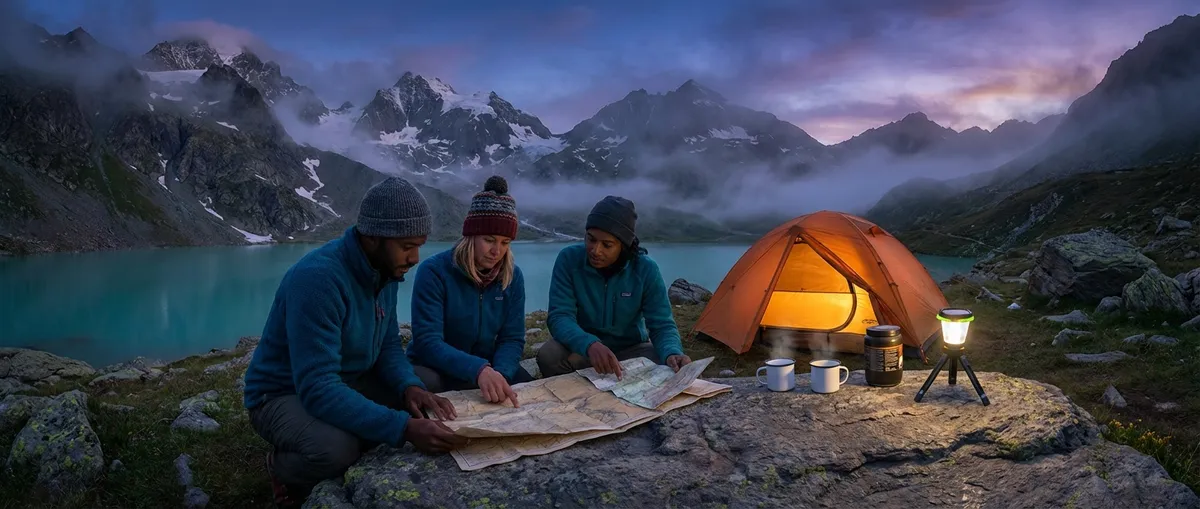
Camping isn’t just about sleeping in a tent—it’s about waking up to birdsong instead of alarms, cooking under the stars, and discovering corners of the map most people only see on postcards. Whether you’re unrolling a sleeping bag for the first time or you’ve already worn grooves into your favorite trail, this guide will help you find underrated spots, pack like a pro, and craft itineraries that feel like small adventures instead of logistics puzzles.
Choosing Your Wilderness: Finding Hidden-Gem Campsites
The most memorable campsites often aren’t the ones plastered all over Instagram—they’re the quiet lakeside clearings, high-country meadows, and forest nooks just beyond the obvious. Start by looking slightly off the marquee names: instead of Yellowstone, explore nearby Shoshone National Forest; instead of Yosemite Valley, look at Inyo National Forest or lesser-known trailheads on the park’s fringes. Many state parks, national forests, and Bureau of Land Management (BLM) areas offer gorgeous, lightly trafficked campgrounds or dispersed camping with far fewer crowds.
Use a mix of tools and old-school sleuthing. Online reservation systems and apps show what’s popular, but topo maps reveal where the interesting terrain really is—ridges with sunrise views, river confluences, hidden lakes in cirques. Ranger stations are goldmines of intel; a five-minute conversation can uncover “locals’ favorites” that don’t show up in glossy brochures. Ask specifically about lesser-used campgrounds, backroads in good condition for regular cars, and short backpacking routes with established sites. Always verify road conditions, fire restrictions, and current wildlife activity—hidden gems only stay fun if they’re safe and legal.
Smart Packing: The Essentials You’ll Actually Use
Good packing prioritizes safety, comfort, and versatility. Start with the essentials: shelter (tent, tarp, or hammock with bug net and rainfly), sleep system (appropriate-temperature sleeping bag and insulating pad), and a way to stay dry (rain jacket, rain cover or dry bags for gear). Think in systems instead of items: sleep system, kitchen system, clothing system, navigation, and safety. Each system should still work if a single piece fails—like carrying both a lighter and waterproof matches, or using both map/compass and a GPS app with offline maps.
Clothing should be layered and purpose-driven. Aim for a moisture-wicking base layer, an insulating midlayer (fleece or lightweight puffy), and a weather-proof shell. Skip cotton for anything that needs to keep you warm when wet; synthetic and wool dry faster and insulate better. For gear, a compact headlamp beats a bulky flashlight, and a small repair kit (duct tape wrapped around a water bottle, safety pins, a few zip ties, needle and thread) can save a trip when a strap tears or a tent pole cracks. Pack a minimalist but robust first-aid kit and know how to use it—focus on blisters, cuts, allergic reactions, and basic pain management.
Food, Water, and Fire: Trail Comforts Done Right
Food is morale. Plan meals that are simple, calorie-dense, and realistic to cook after a long day. Dehydrated meals are convenient, but you can upgrade easily with instant rice or couscous, foil-packed chicken or tuna, pre-spiced lentils, or minute polenta. Build in “trail luxury” items: a good dark chocolate bar, instant miso soup, or your favorite hot sauce. Portion meals in labeled bags so you’re not rummaging in the dark, and always pack at least one no-cook backup meal in case your stove fails or a storm rolls in.
Water strategy is non-negotiable. Know ahead of time where reliable sources are and assume at least one might be dry. Carry a primary filtration system (pump filter, squeeze filter, or gravity system) and a backup method like chemical tablets or a small UV purifier. For campfires, check regulations daily—fire bans can change quickly with weather. If fires are allowed, keep them small, use existing fire rings, and burn only downed, dead wood. A lightweight backpacking stove often makes more sense for cooking, keeping the fire purely for ambiance. Before bed, drown, stir, and feel the coals until they’re cool to the touch.
Quick Itineraries for Every Camper
Design itineraries around your energy level, experience, and time—not what social media says you “should” do.
1-night “Microadventure” (Beginner-Friendly):
- Afternoon: Drive 1–2 hours to a nearby state park or national forest campground. Set up camp before sunset.
- Evening: Short hike from camp (1–3 miles), simple one-pot dinner, stargazing with a sky map app.
- Morning: Sunrise walk, camp coffee, practice packing up efficiently. Be home by early afternoon.
3-day Weekend Basecamp (Mixed Experience Group):
- Day 1: Arrive mid-day, choose a base campsite with access to both easy and moderate trails. Short shakedown walk to test gear.
- Day 2: Longer day hike or paddle from camp—aim for a viewpoint, waterfall, or lake you can swim in. Leave a “zero day” option for anyone who wants to read in a hammock.
- Day 3: Easy breakfast, quick local lookout stop on the drive home to end on a high note without a big exertion.
3–4 Day Intro Backpacking Loop (For Ready Beginners):
- Day 1: Hike 3–5 miles from trailhead to a lake or creek-side camp. Arrive early enough to learn camp setup without rushing.
- Day 2: Moderate mileage (5–8 miles) to a ridge or high viewpoint camp. Practice navigation, map reading, and Leave No Trace.
- Day 3: Exit via a different trail if possible, forming a loop. Include a bailout plan if weather or energy levels shift.
Safety, Navigation, and Respecting the Wild
The most adventurous trips are also quietly well-planned. Tell a trusted person your exact itinerary, car location, and return time, and stick close to that plan or update them if it changes. Carry a paper map and compass, even if you’re using a GPS or phone app, and learn the basics of orienting a map and following a bearing. In bear country, bring a canister or approved storage and cook away from your sleeping area; in all areas, store food and scented items securely to protect both wildlife and your campsite.
Weather awareness can make or break a trip. Check detailed forecasts before you go and during your trip when possible, but also read the sky: building clouds on the horizon, sudden wind shifts, or afternoon thunderheads in the mountains are all signals. Practice Leave No Trace principles, especially with waste and campsite selection. Camp at least 200 feet from lakes and streams where required, stay on durable surfaces, and pack out all trash—including food scraps and micro-trash like tea bag tags and twist ties. The fewer signs you leave, the more likely that spot will feel wild and magical for the next group…and for you, when you return.
Turning a Simple Trip into a Story You’ll Remember
What transforms a standard night in the woods into a trip you replay for years are usually the small choices: wandering 10 extra minutes down an unmarked side path to find a secret overlook, waking up in the blue pre-dawn light for a ridge-top sunrise, or cooking a “camp feast” instead of just boiling water. Build one intentional moment into every trip—sunset on a rock outcrop, silent solo coffee by the lake, night hike under a full moon if conditions allow. Document less and notice more, taking photos as mementos rather than proof.
As you gain experience, your packing list will shrink but your sense of what’s possible will expand. You’ll start recognizing patterns—where the best tent spots hide, how to read a river’s edge for good water access, which clouds mean you should pitch your rainfly now. Camping isn’t about escaping life; it’s about remembering how big your world really is. Out there, under a wide sky, you don’t have to go far to feel far away—you just have to step off the pavement and keep walking.
Sources
- National Park Service – Camping & Overnight Stays - Overview of camping options, regulations, and planning resources in U.S. national parks
- Leave No Trace Center for Outdoor Ethics - Detailed explanation of the 7 Leave No Trace principles for low-impact camping and hiking
- REI Co-op – Expert Advice: Camping Checklist - Comprehensive, practical gear checklist and packing guidance for campers
- U.S. Forest Service – Find a Forest or Grassland - Information on national forests, dispersed camping rules, and “know before you go” tips
- Centers for Disease Control and Prevention – Healthy Camping - Health and safety advice for outdoor trips, including water treatment and injury prevention