
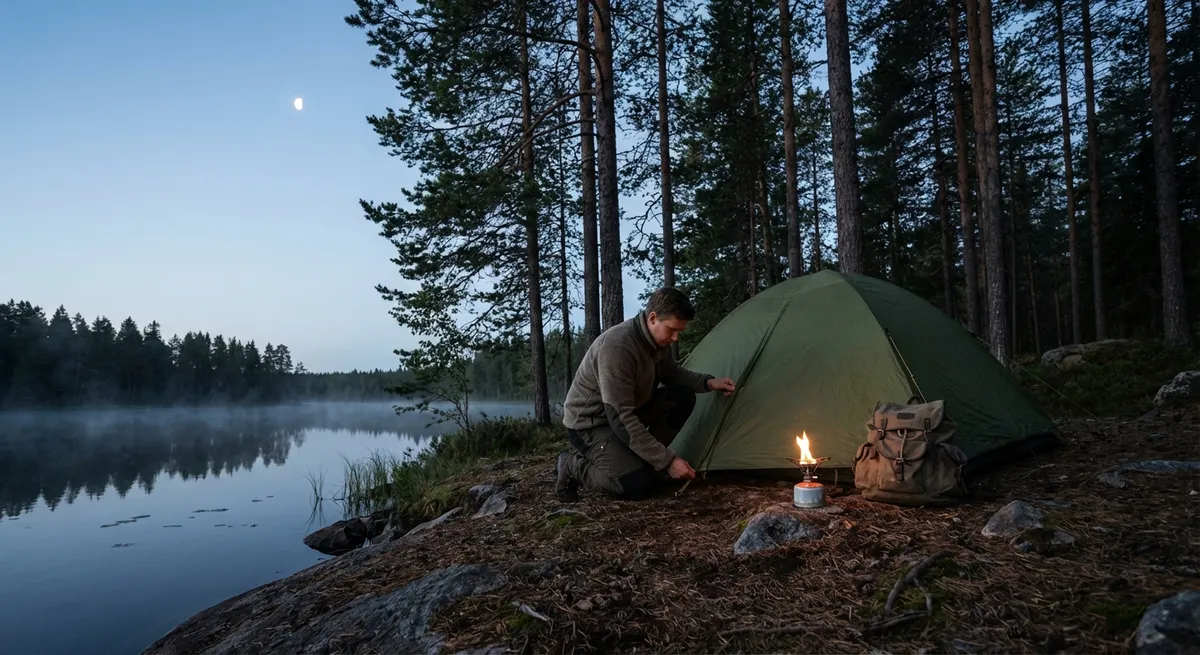
There’s a moment, just after the campfire softens to embers, when the forest around you exhales. Pine silhouettes sharpen against a sky freckled with stars, the wind moves like a whisper through the branches, and the ordinary world feels very far away. That moment isn’t reserved for hardcore backpackers or months-long expeditions—it’s accessible in a single weekend if you know how to design the right kind of camping escape. Whether you’re rolling up with a trunk full of gear or stepping onto a remote trail with everything on your back, you can craft a micro-adventure that feels wild, personal, and unforgettable.
Crafting Your “Radius of Wild” Weekend
Instead of chasing the most famous national park or the Instagram-famous vista, start with your “radius of wild”—the distance you can comfortably travel from home in a half-day or less. Draw a loose circle on a map around your home base and look for the blue specks (lakes and rivers), the green patches (public lands and forests), and the squiggly contour lines (hills, ridges, and valleys). These are your micro-adventure anchors.
Within that circle, aim for a mix of accessible and adventurous. Maybe it’s a quiet forest campground near a lesser-known lake, with a short trail leading to an overlook that most people skip. Or a state park with a riverside walk-in site just far enough from the parking lot that you’ll hear owls instead of car doors. By narrowing your focus to this radius, you avoid the trap of overplanning some mythical “perfect” trip and instead create a sustainable pattern: leave Friday afternoon, sleep under the pines Friday and Saturday, and roll back into town Sunday with smoke in your clothes and stories simmering in your head.
Think of this not as “just camping” but as building a repeatable ritual. Over time, you’ll learn which nearby campgrounds book up, which forest roads stay quiet, and which trailheads are ghost towns at sunrise. The payoff is huge: less time in transit, more time listening to night sounds and sipping coffee as mist lifts off the water.
Hidden Corners: Finding Quiet Camps Away from the Crowds
The wildest-feeling spots are often hiding in plain sight—tucked just off scenic highways, overshadowed by more famous neighbors, or sitting quietly in the pages of management plans and online maps. Start your search with public lands: national forests, Bureau of Land Management (BLM) areas, state forests, and lesser-known regional preserves. These areas often allow dispersed camping (camping outside of developed campgrounds) in designated zones, giving you more breathing room between tents.
Look for campgrounds labeled “first-come, first-served,” “walk-in,” or “primitive.” These words are your allies. Walk-in sites—where you park and walk a short distance to your campsite—tend to be less packed and more peaceful. Primitive sites may have only a fire ring and maybe a pit toilet, but that minimalism usually filters out the crowds. When browsing maps, zoom past the headliner lakes and mountains and explore the second-tier spots: the smaller reservoir just upstream, the quiet creek canyon a couple of miles off the main road, the modest ridge that still offers a sunrise worth getting up for.
When in doubt, call the local ranger station or park office. Ask very specific questions: “Which campgrounds tend to be quieter?” “Are there any less-used trailheads with nearby campsites?” “Where do people go if your main campground is full?” Rangers spend their days in these landscapes; a five-minute conversation can reveal a lakeside loop everyone else drives past or a hilltop site with a view that never makes it to the brochures.
Pack Like a Minimalist, Live Like a King (or Queen) in Camp
The goal isn’t to pack everything you might use; it’s to bring what you’ll definitely use and what will noticeably improve your comfort and safety. Think in layers and categories rather than an endless checklist. For shelter, a reliable tent, a properly rated sleeping bag, and an insulated sleeping pad form the foundation. If you sleep well, the whole trip feels smoother, from pre-dawn coffee to late-night stargazing.
In your clothing, prioritize versatility over sheer quantity. A moisture-wicking base layer, a warm mid-layer (like a fleece or light puffy jacket), and a weatherproof shell can be combined for chilly nights, breezy overlooks, or sudden storms. Add a breathable hiking shirt, a pair of quick-drying pants or shorts, and warm socks (plus an extra pair reserved only for sleeping). The magic of layering is that you stay comfortable across shifting temperatures without stuffing your pack or trunk with single-use outfits.
Your kitchen kit can stay simple but effective: a compact stove (or a grate if fires are permitted and conditions are safe), a small pot, a mug, a spork, and a sharp knife cover most needs. Pre-portion meals into resealable bags or containers and label them by meal and day—this makes camp cooking brainless when you’re tired. Dehydrated meals are convenient, but you can also bring sturdy ingredients like tortillas, hard cheese, cured meats, instant rice, and shelf-stable sauces. Think one-bowl meals you can make with boiling water and minimal cleanup.
Don’t forget small, high-impact items: a reliable headlamp with extra batteries, a water filter or purification tablets, sunscreen, a compact first-aid kit tailored to your group, and a lightweight tarp or groundsheet. These weigh little but can turn a soggy, frustrating evening into a cozy, sheltered hangout under a whispering canopy of pines.
Blueprint for a Three-Day Pine & Lake Escape
Imagine this as a template you can customize to whatever region you call home: tall trees, cool mornings, and water close enough that you can hear it at night.
Friday afternoon: Arrival and first light
Leave town early enough to arrive before dark. Check in or locate your chosen primitive site, then set up your tent immediately—before you get distracted by the view. Once camp is secure, take a slow reconnaissance walk: note where the sun will set, where the bathrooms or water sources are, and where you might like to sit later to watch the sky shift colors. Eat a simple, low-effort dinner (pre-made wraps or a quick one-pot pasta), then let the focus of the night be the fire and the sky. This first night is for unwinding, not doing everything.
Saturday: Ridge lines, shorelines, and secret corners
Wake up early and make coffee while the world is still hushed. Pack a small day bag with water, snacks, a map or offline navigation app, a light jacket, and a basic first-aid kit. Scout out a moderate trail that leads to a ridge, overlook, or quiet lakeshore—something that gets you a bit above or beside your campsite environment for a fresh perspective. If you’re near a lake or reservoir, aim for a shoreline path or a less-used boat launch where you can sit quietly, feet dangling in the water, away from the well-trodden swimming area.
Middle-of-the-day heat is perfect for low-key exploration near camp: reading in a hammock, wandering short nature trails, or slipping into the water for a quick swim if conditions allow. Late afternoon is prime for a “mini mission”: follow a faint side trail to a small viewpoint, walk a bit further along the lake than most people bother to go, or try a different angle for sunset. Back at camp, turn dinner into a small ritual—sizzling veggies in a pan, stirring sauce, passing the seasoning—so that food becomes part of the memory, not just fuel.
Sunday: Dawn stillness and an unhurried exit
Set an alarm early enough to catch first light. Even if you’re not a morning person at home, sunrise at camp can rewire your understanding of “worth it.” Sit with a warm drink and watch mist lift from the water or light creep down the trees. This is also a quiet time to journal, sketch, or simply sit and listen to the forest wake up.
After breakfast, break down camp methodically: shake out your tent, inspect the site for forgotten items, and practice a meticulous leave-no-trace sweep, packing out micro-trash like twist ties, food scraps, and bottle caps. If you have time, cap your weekend with a short stroll or a final stop at an overlook on your drive home, letting the transition from wild to everyday life be gradual rather than abrupt.
Reading Landscapes: Staying Safe While Going Remote
Adventure feels bigger when you edge away from crowds, but that’s when smart preparation matters most. Start with a realistic assessment of your group’s experience and fitness; choose routes and campsites that stretch you a bit but don’t rely on luck or heroics. Study maps ahead of time—paper and digital—and note backup options: an alternate campground, a shorter loop if weather turns, or a different trailhead if the parking lot is full.
Weather is your silent trip partner. Check forecasts not only for your destination but also for elevation changes along your route. In mountainous or forested regions, temperatures can drop quickly at night, and storms can roll through with little warning. Pack layers and rain protection even if the forecast looks friendly—you’ll be grateful when a surprise breeze whips across the lake at dusk or a cloudburst passes overhead.
Navigation and communication deserve intentional thinking. Download offline maps, carry a compass you actually know how to use, and don’t assume you’ll have cell reception. In more remote areas, consider a satellite communicator for emergencies. Share your itinerary with a trusted friend at home, including where you plan to camp each night and when you expect to be back. This simple habit adds a vital safety net while you’re off chasing silence and starlight.
Finally, treat the landscape as both playground and partner. Follow local fire regulations strictly, especially during dry seasons. Use existing fire rings, drown your fire thoroughly, and skip it altogether if conditions are sketchy. Respect wildlife by storing food securely, keeping a clean camp, and observing from a distance. The less visible your presence, the more alive and authentic your surroundings will feel—for you and for the next person who stumbles upon that perfect pine-framed lakeshore.
Conclusion
A great camping trip doesn’t need a passport stamp, a viral view, or a six-month itinerary. It needs intention: a carefully chosen radius of wild, a few smart pieces of gear, and a willingness to trade fluorescent lights for moonlight and early alarms for bird song. Within a weekend, you can slip into a world of quiet lakes, resin-scented pines, and campfire stories, then return home feeling like you’ve been much farther away than the map suggests.
Design your escape, however small, like it matters—because it does. The more often you answer the call of night air and needled forest floors, the more those moments of wildness become part of who you are. The embers will fade, but the way the stars looked, framed by the pines, will stay with you long after you’ve unpacked.
Sources
- National Park Service – Camping Basics - Overview of camping preparation, safety, and best practices on public lands
- Leave No Trace Center for Outdoor Ethics - Detailed explanation of the 7 Leave No Trace principles for low-impact camping
- U.S. Forest Service – Dispersed Camping Guidelines - Information on camping outside developed campgrounds in national forests
- REI Co-op – How to Go Camping for the First Time - Practical beginner-friendly advice on gear, packing, and camp setup
- Centers for Disease Control and Prevention – Camping Health & Safety - Health, hygiene, and safety tips for outdoor overnight trips