
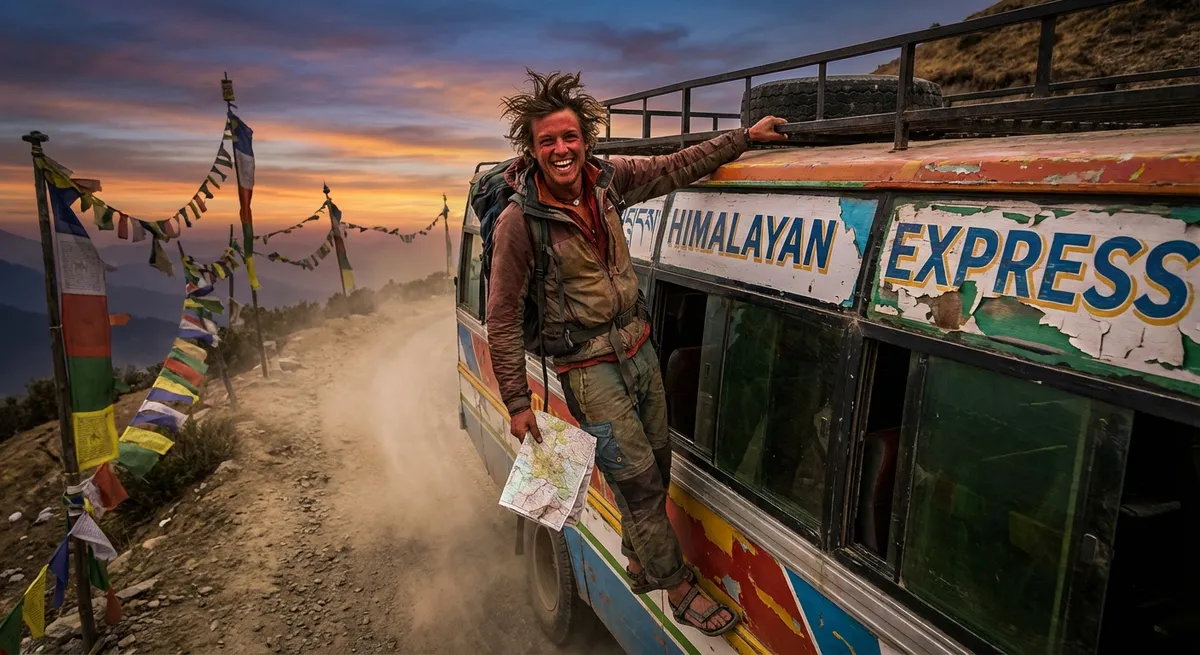
Travel doesn’t have to wait for a bigger paycheck or a lottery win. With the right strategy and a bit of curiosity, you can wake up under alpine peaks, snorkel over coral, or camp beneath desert stars—without detonating your bank account. This guide is for the traveler who wants rich experiences, lean budgets, and a whole lot of outdoor exploration along the way.
Start With a “Cheap-First” Mindset, Not a Destination
Most people pick a destination and then try to squeeze it into their budget. Flip that. Start with: Where can I go affordably right now?
Flexible, budget-first planning looks like this:
- Search by month, not destination. Use tools like “Everywhere” or “Explore” filters on flight search sites to see which countries or cities are cheapest during your travel window.
- Follow shoulder seasons. Late spring and early fall often mean lower prices, fewer crowds, and still-great weather—perfect for hiking, camping, and city wandering.
- Chase regional hubs. Instead of flying straight into a famous beach town or mountain village, fly into a major hub (often cheaper) and use trains, budget airlines, or buses to reach your outdoor playground.
- Let currency work for you. Target countries where your currency is strong. Your dollars (or euros) stretch farther in parts of Southeast Asia, Eastern Europe, and Latin America, especially in smaller towns and countryside regions.
- Anchor your trip on one “luxury,” not five. Maybe it’s a glacier trek, a guided dive, or one night in a hut with sunrise mountain views. Plan everything else around keeping costs low so that one epic splurge stands out.
By leading with flexibility, you stop chasing Instagram-famous spots and start discovering places where you can afford to stay longer, explore deeper, and still go home with money in your account.
Hidden Outdoor Gems That Won’t Break the Bank
You don’t always need the “big name” national park or the most popular city. Smaller, lesser-known areas often deliver huge scenery for tiny prices.
Here are categories of budget-friendly “hidden gems” to hunt for (and a few ideas to spark your planning):
1. Underrated National and Regional Parks
Skip the most iconic parks during peak season and look for:
- State and regional parks (US) with cheaper camping, easy trails, and good facilities. Often just one valley over from the crowded hotspots.
- Lesser-known national parks or reserves abroad—places with simple trails, basic campsites, and fewer tour buses.
- Smaller mountain parks instead of only chasing the biggest names.
- Coastal reserves where you can camp near the shore instead of overbuilt resort towns.
Examples to research:
2. Second-Tier Adventure Towns
You know the famous outdoor hubs—the ones with boutique coffee on every corner and hotel prices that rival your rent. Search for:
- Former industrial towns near wilderness that are reinventing themselves as outdoor gateways.
- University towns close to mountains, lakes, or forests—often cheaper, walkable, and full of budget-friendly food.
- Small fishing or farming villages along coasts and rivers where you can hike, cycle, or paddle straight from your door.
- Cheaper guesthouses or family-run stays
- Simple bistros or street food instead of pricey restaurants
- Easier access to trails that locals use, not just visitors
These towns often have:
3. Free and Low-Cost Nature Experiences
Nature is still one of the world’s best bargains:
- Self-guided hikes using park maps or offline apps instead of guided tours.
- Public beaches and lakes instead of private beach clubs.
- Sunrise and sunset viewpoints—often free and unforgettable.
- Community events like open-air concerts, markets, or local festivals that cost little or nothing but give you a front-row seat to real life in that place.
Look for visitor centers, tourism offices, and local park websites; they’re goldmines for free trail maps, ranger-led programs, and advice on quiet corners away from the crowds.
Pack Light, Move Fast: Budget-Friendly Packing Strategy
Every extra bag is a tax on your freedom: baggage fees, slower transit, more stress. Traveling with one carry-on and a small daypack can easily save you hundreds over a long trip.
Core Principles
- Pack for one week, not the whole trip. Plan to wash (or hand-wash) clothes. Longer trips just mean more laundry, not more luggage.
- Choose a color palette. Neutrals (black, gray, earth tones) that all mix-and-match mean more outfits with fewer pieces.
- Prioritize multi-use gear. Think: one warm layer that works in cities and on night hikes; one pair of shoes that can handle cobblestones and mellow trails.
Budget Traveler’s Essential Packing List (Outdoors-Oriented)
Adjust numbers for climate and trip length, but this framework works for most budget/adventure trips:
- Clothing
- 2–3 quick-dry t-shirts or tops
- 1 long-sleeve sun shirt or light base layer
- 1 warmer layer (fleece or light puffy jacket)
- 1 packable rain jacket or shell
- 2 pairs of pants (one durable, one lighter/convertible)
- 1 pair of shorts (or convertible pants)
- 5–7 pairs of underwear, 3–4 pairs of socks (include at least one pair of hiking socks)
- 1 set of sleepwear
- 1 swimsuit (doubles as backup shorts/underlayer in a pinch)
- Footwear
- 1 pair of trail-capable shoes (trail runners or light hiking shoes)
- 1 pair of sandals or flip-flops (showers, beach, hostel lounging)
- Outdoor & Travel Essentials
- Collapsible water bottle or lightweight water bladder
- Small first-aid kit (bandages, blister care, basic meds)
- Compact headlamp with extra batteries
- Microfiber towel (dries fast, packs tiny)
- Packable daypack or stuffable tote (for hikes or groceries)
- Sun protection: hat, sunglasses, reef-safe sunscreen
- Basic toiletries in refillable mini containers
- Smart Budget Tools
- Offline maps app downloaded for your destinations
- Photocopies or digital backups of important documents
- Lightweight reusable utensils and a resealable food container for market snacks and leftovers
- Portable power bank so you’re not forced into pricey cafés just to charge
Buy only what you truly need and avoid “just in case” extras. In many countries, outdoor basics can be bought or rented locally if something unexpected comes up.
How to Build a Budget-Friendly Adventure Itinerary
An efficient itinerary saves money: fewer transfers, fewer last-minute bookings, and more time in each place. Think in “clusters” rather than ticking off countries.
Step 1: Choose a Region, Not 10 Countries
Pick a single region (for example, one state, one mountain range, or one coastline) and spend 7–10 days exploring it in depth. Longer stays usually mean:
- Cheaper weekly rates on accommodation
- Discounts from local tour operators
- Time to use slower, cheaper transport (buses, regional trains, rideshares)
Step 2: Use a Hub-and-Spoke Model
Base yourself in one or two affordable towns and take day or overnight trips from there.
Example for a mountain or nature-focused trip:
- Day 1–3: Base in a budget-friendly town near trails and lakes. Explore local hikes, markets, and viewpoints.
- Day 4–5: Take an overnight bus or short train to a nearby national or regional park. Camp or stay in a simple guesthouse.
- Day 6–7: Return to base town. Do a longer day hike, rent bikes, or join a budget group excursion.
This reduces constant packing and transit costs while still letting you reach multiple outdoor spots.
Step 3: Layer Free Days Between Paid Activities
To keep your trip affordable and exhilarating, alternate:
- High-cost days: Guided canyon or cave trips, gear rentals, diving/snorkeling tours, specialized activities like glacier hikes or via ferrata.
- Free/cheap days: Self-guided hikes, museum free days, swimming in public beaches or lakes, exploring local neighborhoods, picnic dinners instead of restaurants.
This rhythm gives your budget and your body recovery time, while still stacking your trip with memorable highlights.
Eating Well on a Backpacker Budget
You don’t have to live on instant noodles to save money. Smart food strategy can slash costs while actually improving your experience.
- Make markets your best friend. Fresh bread, fruit, cheese, nuts, local snacks—perfect for trail lunches and bus rides.
- Book places with a kitchen (or at least a kettle). Even making breakfast and one simple meal a day yourself can dramatically cut spending.
- Eat your big meal at lunch. Many places offer cheaper lunch specials or set menus; fuel up then and go lighter at dinner.
- Carry a “trail pantry.” Keep a small stash of high-calorie, travel-friendly items: oats, peanut butter, instant coffee, nuts, dried fruit. Great for early starts, long hikes, and late arrivals when shops are closed.
- Drink smart. Alcohol is often a budget killer. Try:
- Limiting bar nights and buying a local beer or bottle from a shop for a sunset view instead
- Refill water where tap water is safe (or use a filter), avoiding constant bottled water purchases and plastic waste
Cheap Stays With Big Character
Accommodation is usually your biggest fixed cost, but it’s also one of the easiest places to save.
- Hostels and guesthouses. Look for:
- Kitchen access
- Central locations
- Good reviews for cleanliness and safety over fancy décor
- Camping and huts. In many regions, campsites are dramatically cheaper than hotels, and some natural areas offer inexpensive huts or simple shelters along trails.
- Off-peak weekends and midweek stays. Even in popular regions, Sunday–Thursday nights can be far cheaper, especially in shoulder season.
- Longer stays. Weekly or monthly discounts can turn a humble apartment or cabin into a budget basecamp for serious exploration.
Always read recent reviews carefully—especially on cleanliness, noise, and security—before trading comfort for savings.
Small Money Moves That Add Up on the Road
Tiny habits can save you big over weeks of travel:
- Withdraw, don’t exchange, when possible. ATMs in-country often offer better rates than currency exchange kiosks—just choose to be charged in local currency, not your home currency.
- Use transit passes. Daily or weekly passes can be far cheaper than single tickets if you’re riding buses, metros, or trams often.
- Walk one more stop. Short urban distances add up; walking instead of constant short rides is free sightseeing and exercise.
- Offline everything. Download maps, guidebooks, trail info, and language basics over Wi-Fi to avoid data overcharges.
- Track spending roughly. A simple note in your phone at the end of each day (food, transport, stays, activities) keeps you aware before things get out of hand.
Over time, these micro-savings become extra nights on the road or that one bucket-list activity you thought you couldn’t afford.
Conclusion
Budget travel isn’t about deprivation—it’s about designing trips where your money flows toward wild views, vivid moments, and the kind of outdoor experiences that stick with you for years. When you stay flexible on destination, pack light, build smart itineraries, and lean into local, low-cost adventures, the world suddenly becomes a lot more reachable.
You don’t need five-star hotels or luxury tours to watch a storm roll over a valley, dive into a cold, clear river after a long hike, or share street food with new friends under city lights. You just need the courage to go, a bit of planning, and a willingness to trade excess for experience.
Lace up your shoes, slim down your pack, and let your budget be the challenge that sharpens, not shrinks, your adventure.
Sources
- U.S. National Park Service – Plan Your Visit - Official information on park fees, passes, and planning affordable visits to U.S. national parks
- U.S. Department of State – Travel Information - Government advisories and country-specific details useful for safe, informed budget travel planning
- Lonely Planet – Budget Travel Tips - Practical advice on saving money on transport, food, and accommodation around the world
- REI Co-op Expert Advice – Backpacking & Camping - Reliable guidance on lightweight packing, essential gear, and outdoor travel skills
- Nomadic Matt – How to Travel the World on $50 a Day - Detailed breakdown of strategies for keeping daily travel costs low while still having rich experiences