
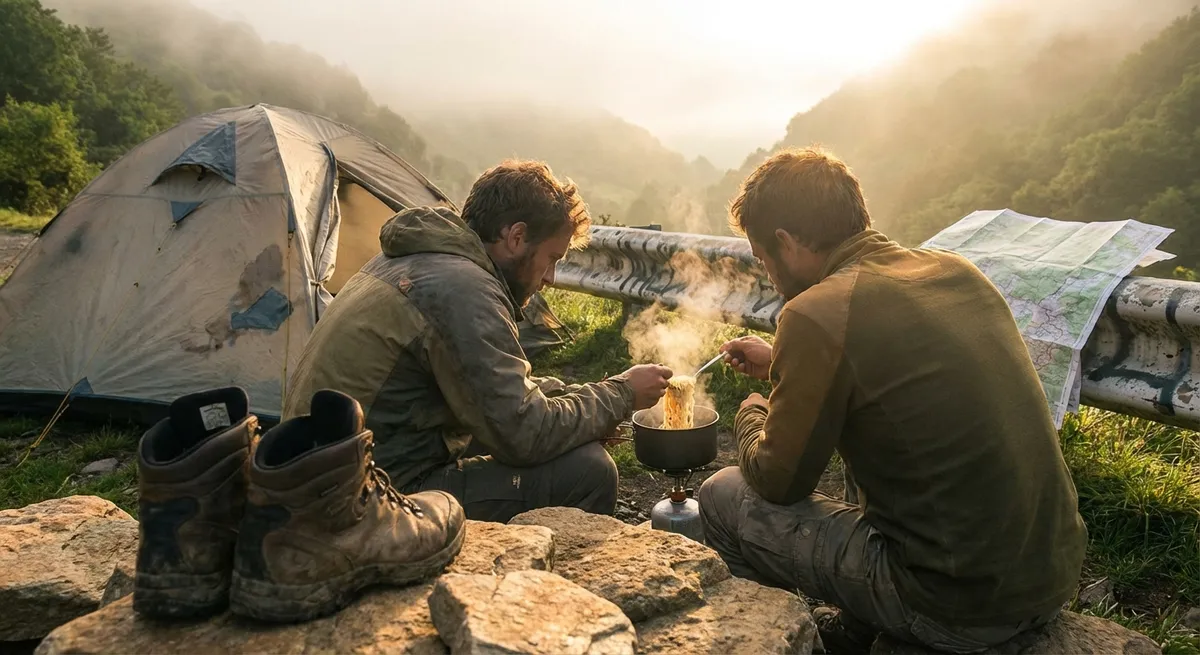
You don’t need a platinum card to chase big horizons. You need curiosity, a bit of strategy, and a willingness to trade fancy lobbies for star-filled skies and local bus rides. This is budget travel for people who want more than cheap souvenirs—who want misty trailheads at sunrise, quiet coastal towns after the crowds go home, and the satisfaction of knowing you stretched every dollar into an actual story.
This guide dives into smart ways to roam farther for less: where to look beyond the obvious destinations, how to pack so your bag works harder than your wallet, and sample itineraries that turn shoestring budgets into full-throttle adventures.
Rethinking “Cheap”: Value-Rich Adventures, Not Just Low Prices
Budget travel isn’t about racing to the bottom; it’s about extracting the most value from every choice. Instead of obsessing over the lowest price, focus on experiences per dollar: how many sunrises, border crossings, hikes, and local meals does that ticket buy you?
Start by shifting your planning axis from “Where’s trendy?” to “Where’s undervalued?” Rather than only chasing famous capitals, look at regional hubs and mid-sized cities that serve as gateways to nature—places with solid transit, cheaper lodging, and easy access to trails or coastline. Think Girona instead of Barcelona, Medellín instead of Bogotá, or Chiang Rai instead of Chiang Mai. These secondary bases often come with lower prices and fewer crowds, yet they’re threaded into public transport networks that can fling you outward into wild valleys, small villages, and national parks.
Timing is just as important as location. Travel in the shoulder seasons—those sweet spots right before and after peak tourist months—when flights dip, trails are quieter, and locals aren’t burned out. In many regions, late spring and early autumn offer milder weather, better visibility, and more negotiable prices on everything from guesthouses to gear rentals. When you match off-peak timing with undervalued hubs, you suddenly have room in your budget for that extra trail day, a guided activity, or a splurge meal that would be unreachable in peak-season hotspots.
Gear That Earns Its Keep: Packing for Range, Not Volume
On a budget, your gear has to be a toolbox, not a trophy shelf. Every item should either serve multiple purposes or dramatically improve your comfort, safety, or mobility. Bulky, single-use gear drains both money and energy—and often ends up shoved in a hostel locker or under a bus seat while you curse its weight.
Start with layers that work across climates: a breathable base layer, a mid-layer fleece or light synthetic jacket, and a compact shell for wind and rain. Choose quick-drying fabrics so you can hand-wash items in a sink and rotate outfits instead of packing duplicates. A lightweight, packable down or synthetic jacket can serve as insulation, a pillow, and extra padding on a bus seat. For bottoms, consider one pair of trail-ready pants that can pass in a casual city setting, plus shorts or leggings that can double as sleepwear.
Footwear is where you absolutely don’t skimp. One solid pair of lightweight hiking shoes or trail runners that you can wear in cities, on buses, and on moderate trails will save you from hauling multiple pairs. If your trip includes serious hiking, choose shoes with good traction and a proven fit—blisters are expensive in both time and morale. Add technical socks that dry quickly and reduce friction; many budget travelers overlook socks and pay the price on day three of a dusty trek.
Your small accessories are the hidden budget heroes. A compact microfiber towel saves on hostel towel rentals and dries fast. A refillable water bottle and collapsible filter or purification tablets reduce dependence on bottled water in areas where tap water is unsafe, saving money and plastic over weeks of travel. A simple first-aid kit with blister care, pain relief, and basic bandages can be the difference between continuing your hike and paying for an unexpected city detour to rest and recover. Think of your bag as a mobile base camp: the more self-sufficient it is, the less you hemorrhage cash on “emergency” purchases.
Finding Low-Cost Outdoor Gems Hiding in Plain Sight
Many of the best budget-friendly outdoor experiences cost almost nothing—you just need to know where to look and how to string them together. National and regional parks, public lands, coastal paths, and community-maintained trails offer vast adventure potential at a fraction of the price of organized tours.
Before you go, study park and tourism board websites for free or low-fee access points, campgrounds, and shuttle options. Under-the-radar reserves and lesser-known trail networks often sit just beyond the heavily Instagrammed spots. For example, instead of only targeting one iconic viewpoint, look at secondary trailheads that share the same ecosystem but not the crowds or inflated prices. Often the bus that ferries day-trippers to the main attraction will stop at smaller towns en route—places where rooms, meals, and gear rentals are significantly cheaper.
Coastal and riverside routes are particularly budget-friendly. Many countries maintain public access paths along cliffs, beaches, or canals where you can hike, wild swim (where safe and legal), and explore small villages without paying park entry fees. Inland, look for rail-trails and multi-use paths converted from old rail lines—these are ideal for low-cost bike rentals or long walks between small towns where family-run guesthouses and market snacks are inexpensive compared with city centers.
Once you’re in an outdoor hub, talk to rangers, local guides, and hostel staff about “where you go on your own days off.” Locals often know of unofficial viewpoints, quiet swimming spots, and forest tracks that don’t appear in glossy brochures but are perfectly accessible with basic fitness and common sense. Paired with good offline maps, these tips can re-route your plan from crowded “must-sees” to personal discoveries.
Smart Transit Moves: Stretching Your Radius Without Breaking the Bank
Transportation is where many budgets quietly bleed, especially when itineraries zigzag across regions. To keep costs in check while still chasing wild corners, think in terms of corridors instead of dots on a map. Choose a route that flows generally in one direction—north to south, coast to mountains—so you avoid backtracking on expensive long-distance routes.
Trains and buses are the backbone of budget-friendly, adventure-ready travel. Long-distance buses frequently connect major cities with trail towns, gateway villages, and border crossings for a fraction of airfare. Night buses and overnight trains can double as accommodation, but use them selectively: they save money, yet too many in a row can leave you too exhausted to hike, explore, or enjoy your arrival. Aim for a pattern that alternates long hauls with slower days in one spot.
Once you reach a base town, look into bikes, shared taxis, and regional buses to reach trailheads and natural sites. Bike rentals can open up a 20–30 km radius of coastline, vineyards, or countryside for the price of a single short taxi ride. Regional buses, while slower and sometimes irregular, offer a window into local life and cost a fraction of charters. Always ask locals about the last bus back from a trail town—missing it can turn a cheap day trip into an unexpected overnight expense.
If your itinerary spans multiple countries or regions, research transit passes or regional rail cards that pay off over several journeys. These can sometimes include discounts on ferries, local buses, and even attraction entries, quietly trimming costs in ways that add up over weeks. Plan your longer legs around these passes, then fill the gaps with cheap regional connections and human-powered exploration.
Food, Beds, and Daily Rituals That Keep Costs Low (and Experiences High)
How you eat and sleep on the road forms the backbone of your budget—and your memories. Instead of treating every meal as an event, think in terms of “anchor experiences” each day: one sit-down meal you really savor, surrounded by simpler, smarter choices that keep energy and costs balanced.
Grocery stores, markets, and street food stalls are your best allies. Stock up on trail-friendly staples: nuts, fruit, bread or flatbreads, cheese, local spreads, and vegetables that travel well. These form DIY trail lunches and easy hostel dinners. Many hostels, guesthouses, and budget hotels offer communal kitchens or at least kettles and microwaves; simple meals like couscous with vegetables, instant oats with fruit, or ramen upgraded with eggs and greens cost a fraction of restaurant dining. Save restaurant splurges for places locals actually frequent—lunch specials, family-run diners, and set menus away from the main square.
For accommodation, flexibility is everything. Mix and match: a couple of nights in a budget hostel or guesthouse, then a night or two camping (where allowed and safe), then perhaps a stay in a simple family-run inn when buses run oddly. Nature-oriented stays like municipal campgrounds or hut systems near national parks are often shockingly affordable compared with even the most basic city rooms, and they put you right where the sunrise is worth getting up for.
If you’re staying multiple nights in one place, politely ask about weekly rates or cash discounts—especially in shoulder seasons or small towns. The more predictable your stay, the more likely owners are to offer a break, which can free funds for a guided hike, bike rental, or local excursion that adds depth to your experience.
Sample Budget-Friendly Adventure Loops for Inspiration
To turn all of this into something tangible, imagine your own trip as a loop anchored by accessible hubs, not a series of isolated dots connected by expensive hops. Here are example structures you can adapt to your region of choice:
Mountain Base & Valley Spokes Loop
Use one mid-sized city or large town as your gateway: a place with affordable hostels and good bus connections. Spend your first day gathering supplies, checking trail conditions, and adjusting to the local rhythm. Next, take a bus to a nearby valley village that offers access to several day hikes; stay two or three nights in a local guesthouse or campground. From there, explore different routes each day—waterfall walks, ridge trails, or river paths—using the same bed as your base.
Return to the city for a reset and then repeat the pattern in a different direction: another valley, a lake region, or a plateau. Because you’re reusing the same city hub, you learn transit patterns, cheap eateries, and the best grocery spots, which reduces logistical surprises and costs.
Coastline Drift with Inland Detours
Pick a stretch of coastline served by a rail line or frequent buses. Move slowly along it, tackling short hops every few days. In each coastal town, use one day for a long cliffside or beach hike and another for a slower local exploration—markets, harbors, or bike rides to nearby villages. When prices spike in a famous resort town, base yourself one or two stops away and day-trip in; sunsets and dawn walks are often nicer (and quieter) in the smaller outposts.
Once or twice along the route, detour inland to a hill town, river gorge, or forest reserve accessible by bus. These inland days break up the seascape and usually drop your daily spending: further from the coast, lodgings and meals are often significantly cheaper. By the time you rejoin the shoreline, you’ve had both salt air and pine needles, all within a manageable budget.
Cross-Border Trail Corridor
If you’re traveling through a region where countries or states sit close together, design a one-way corridor that follows a main rail or bus artery but regularly drops you into trail towns. Choose a starting city with good international connections and an end point with an airport or major rail hub. Along the way, alternate urban overnights with two- or three-night stays in smaller outdoor-focused hubs.
In each base, gather local intel, check weather windows, and explore one signature trail and one lesser-known route recommended by locals. Because your route is overall linear, you minimize backtracking and can spot transit passes or regional tickets that cover much of your movement at a discount. This structure lets you cross borders without constantly buying last-minute one-off tickets at premium prices.
Conclusion
Budget travel isn’t a consolation prize; it’s a different way of engaging with the world—closer to the ground, more flexible, and often more memorable. When you trade rigid checklists and pricey packages for clever packing, slow transit, and value-rich hubs, you buy yourself time and freedom: time to linger in a mountain village one more day, freedom to follow a local’s tip to an unmarked viewpoint, or the simple luxury of watching the sky change colors above a campsite you paid almost nothing for.
With a pack that pulls its weight, a route that flows instead of zigzags, and a mindset tuned to curiosity over consumption, loose change can carry you a very long way. The road is wide, the trails are many, and the best views are rarely behind paywalls.
Sources
- U.S. National Park Service – Trip Planning & Safety - Guidance on preparing for outdoor trips, park visits, and safe exploration
- REI Co-op – Expert Advice: How to Pack a Backpack - Practical tips on efficient packing, gear selection, and load management
- Lonely Planet – Budget Travel Tips - Broad strategies for saving money on transport, food, and accommodation while traveling
- Rick Steves – Off-Season and Shoulder-Season Travel - Insight into timing trips to avoid crowds and high prices
- Centers for Disease Control and Prevention (CDC) – Traveler’s Health - Reliable information on health preparation, vaccinations, and safety considerations for travelers