
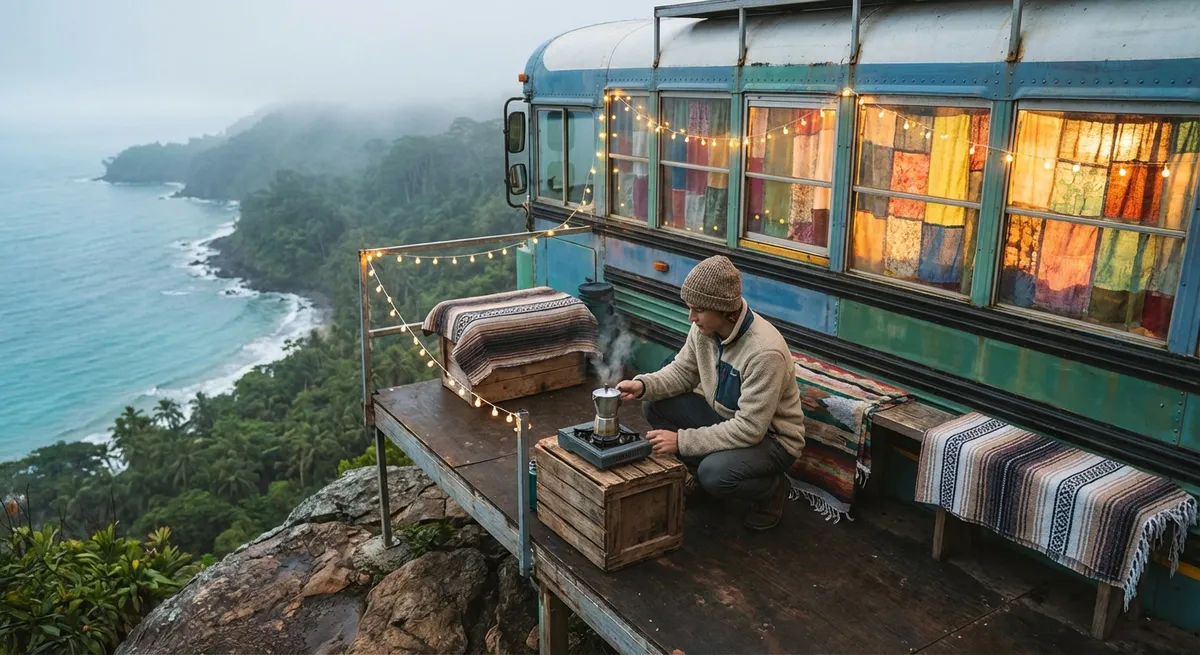
There’s a special kind of magic in stepping off a bus, train, or budget flight with nothing but a small pack, a loose plan, and a wide-open day ahead of you. The world doesn’t ask how much you spent to get there—it just asks whether you’re willing to wander. For travelers who crave wild air, unfamiliar streets, and lakes that don’t appear on the postcard rack, budget isn’t a limitation; it’s a compass that points toward creativity, resourcefulness, and places most tourists never see.
This is your guide to building rich, memory-heavy trips on light wallets—where every dollar stretches into a trail walked, a view discovered, and a story worth retelling.
Rethinking “Cheap”: Building a Budget That Buys You Freedom
Budget travel isn’t about saying no to everything; it’s about choosing where you want your “yes” to go. Start by flipping the usual thinking: instead of planning a destination and then trying to afford it, decide how much you can actually spend, then let that number steer your map.
Break your budget into four pillars: transport, sleep, food, and experiences. For many trips, transport and accommodation quietly devour most of the money. You can flip that script: travel a little slower, stay in one region longer, and aim for fewer relocation days. Fewer trains, buses, or rideshares mean more cash left for local tours, mountain huts, or that one splurge meal in an alleyway restaurant only the locals seem to find.
Leaning into flexible dates is one of the best ways to unlock cheaper flights and trains. Midweek departures and shoulder seasons (late spring and early autumn in many regions) often mean lower prices and thinner crowds. Even if you’re locked into specific vacation days, shifting by 24 hours can make a big difference—especially when crossing borders or traveling to high-demand outdoor destinations.
In wild areas, your biggest hidden cost is usually logistics: expensive taxi transfers, remote hotels, or forced restaurant meals when there’s nowhere else to eat. Study the transport web before you go: local buses that reach trailheads, bike rentals that replace taxis, or small towns with grocery stores and simple guesthouses. A little research turns “remote and pricey” into “remote and doable.”
Hidden Corners That Stretch Every Dollar (and Every Hour)
Budget travel thrives in places where the scenery is free, the culture is lived in, and the tourist machine is small or nonexistent. You don’t have to fly halfway around the world to find that—often, it’s tucked a few hours beyond the nearest major city.
Coastal cities tend to be pricey; coast-adjacent villages and inland ridges often are not. Instead of gunning straight for the famous beach town, look at the next train stop up the line, or the inland town at the foot of the hills. Harbor views might cost a fortune; river views or valley sunsets rarely do.
Mountain hubs and national park “gateway towns” can be brutal on a budget, but the surrounding countryside is often full of lesser-known trailheads, small farms offering rooms, and public transport that locals use daily. Scan satellite maps for lakes or forest patches that aren’t labeled as “must-see” spots, then check if there’s a bus stop within walking distance. You’ll find picnic-worthy viewpoints and empty paths for the price of a single ticket.
In cities, the trick is to anchor yourself near transit lines rather than glossy districts. A simple guesthouse two metro stops outside the center can be dramatically cheaper. From there, treat the city like a patchwork of micro-neighborhoods: morning coffee where office workers go, afternoons wandering where the street art lives, evenings in small squares instead of famous boulevards. Urban parks, riversides, and city viewpoints (often free or low-cost) become your “outdoor escapes” without leaving the metro network.
Keep an eye out for community-run outdoor centers, local hiking clubs, and visitor bureaus. They’re often the only ones who’ll tell you about the unmarked viewpoint, the old canal path, or the free audio tour that traces a city’s shoreline or hilltops. Hidden gems usually hide in plain sight on local bulletin boards rather than glossy brochures.
Packing Smart When Every Item Has to Earn Its Place
On a budget trip, your bag is more than just storage—it’s your kitchen, your closet, sometimes even your “emergency room.” The more versatile each item is, the less you need to buy or rent along the way, and the easier it is to move spontaneously without checked-luggage fees or storage costs.
Start with layers you can rotate between city streets and forest paths: a breathable base layer, one warm mid-layer, and a shell that’s wind and rain resistant. Choose clothes in colors that mix and match so three tops and two bottoms can handle a week or more. Opt for quick-drying fabrics; being able to wash a shirt in the sink and hang it overnight saves money on laundry and keeps your bag lean.
Footwear might be your most important decision. Instead of hauling heavy boots, many budget-conscious adventurers rely on a single pair of sturdy, grippy travel shoes: comfortable enough for cobblestones, capable enough for well-marked trails. If your trip includes rougher terrain, pack lightweight trail shoes rather than bulky boots. One extra pair of thin sandals or flip-flops doubles as camp shoes, shower shoes, and urban “I-need-a-break-from-sneakers” footwear.
A small, collapsible grocery bag earns its keep quickly: it becomes your market tote, day bag, laundry sack, and beach or lakeside carrier. A compact water filter or purification tablets can save you from buying countless plastic bottles in rural areas or on long hikes, trimming both expenses and waste.
Don’t skip a micro first-aid kit: a few bandages, blister pads, pain relievers, and antiseptic wipes. Adding a compact emergency blanket and a small roll of tape gives you a barebones safety net on unfamiliar trails. It weighs next to nothing but can save you from expensive last-minute pharmacy runs or uncomfortable nights.
Itineraries That Trade Ticket Lines for Trail Time
When money is tight, the way you structure your days matters as much as where you sleep. The goal: stack your calendar with moments that cost little but feel rich—sunrise walks, lakeside picnics, scenic train rides, and neighborhood explorations—then slot paid experiences in sparingly, where they’ll genuinely elevate the trip.
One simple structure for a mixed city-and-outdoors trip is: city base, nearby nature, then small-town slowdown. Start in an affordable neighborhood within a major city’s transit web. Spend a couple of days exploring free or low-cost attractions: parks, public viewpoints, free museum days, self-guided walking routes, and waterfronts. Then, use the city’s rail or bus network to launch into a one-day or overnight foray into nearby hills, coastlines, or forested valleys.
From there, push one step further out to a small town where travelers are fewer and prices gentler. This last stage is where your budget breathes: simple guesthouses, local markets, and quiet paths that don’t show up on must-see lists. Here, the “itinerary” can shrink to three basic beats: walk, rest, repeat. Wander riverside footpaths, explore old town streets at dawn before anyone wakes up, or pedal rented bikes down backroads in the late afternoon.
In predominantly rural trips, slow down even more. Instead of stringing five different destinations in seven days, focus on two or three. Use one town as your hub for multiple day trips on local buses or shared taxis: one day to a viewpoint, another to a lake, a third to a modest peak or old fortress. Dirt-cheap local bakeries or markets can anchor each outing: grab breakfast supplies in the morning, snacks for the trail, and simple ingredients for a picnic dinner.
Wherever you go, leave one unscheduled day for serendipity. That’s the day you linger at a sunrise viewpoint longer than planned, follow a side trail that appears on a hand-written sign, join a free community event, or hop on a cheap local boat ride just because it’s there. Rigidity breaks budgets; flexibility often saves them.
Eating Well Without Burning Through Your Trip Fund
Food is where budgets silently unravel—especially in scenic towns where every meal faces the ocean, the mountain, or the old cathedral. To keep costs in check without surviving on instant noodles, think in terms of anchors: one or two “anchor” meals you self-manage each day, and one meal where you let the local scene take over.
If your lodging includes breakfast, treat it as fuel for adventure. Choose options with fresh fruit, bread, and simple proteins if possible, then pack a small reusable container to hold spare snacks for later (where culturally appropriate and within hotel rules). If breakfast isn’t included, make the grocery store, not the café, your first stop: oats, yogurt, fruit, and bread are generally cheap and filling in most countries.
Lunch is the ideal “wild” meal: grab supplies from a market or bakery and build your own picnic in a park, by a river, or at a quiet overlook. In mountain or coastal areas, local cheeses, canned fish, fresh vegetables, and simple breads transform into scenic spreads that beat most restaurant views. This approach keeps most of your daylight hours outdoors, not inside crowded eateries.
Reserve your restaurant spending for one memorable daily meal—a late lunch or early dinner when prices and crowds are often lower. Avoid places with multilingual glossy menus posted in multiple currencies; instead, wander a few streets back from main squares or harbors and look for busier spots where locals eat. When in doubt, follow the line of workers on their lunch break.
Street food and small, family-run eateries can be both budget-friendly and culturally rich, but be mindful of food safety: choose stalls with high turnover, piping-hot dishes, and clean preparation areas. In some regions, a hearty bowl of local soup or stew can cost less than a single drink in a tourist bar and keep you going for hours of exploring.
Staying Safe, Legal, and Respectful on the Cheap
Low-cost adventures shouldn’t come at the expense of safety or local laws. Some of the most common “budget hacks” you’ll hear—like stealth camping in city parks or sneaking into private viewpoints—can lead to fines, dangerous situations, or conflict with local communities.
Before planning any overnight in wild or semi-wild areas, familiarize yourself with regional rules on camping, campfires, and protected zones. Some countries allow dispersed camping under specific conditions, while others sharply restrict it. National park websites, local park authorities, and tourism boards provide up-to-date guidance that will help you avoid costly mistakes.
In cities and towns, opt for legitimate low-cost accommodation—hostels, guesthouses, homestays, or monasteries and retreat centers that welcome travelers—rather than trying to sleep in stations, beaches, or public parks. Beyond legal risk, these spaces are rarely as safe or comfortable as they appear and can set a sour tone for your trip.
Travel insurance is one of those expenses that feels unbudget-like until you need it. Especially for outdoor-heavy itineraries involving hiking, cycling, or water activities, it’s a safety net that can prevent a minor accident from ballooning into life-changing costs. Check whether policies cover adventure activities and medical evacuation in remote areas.
You can also “budget-proof” your safety with simple habits: share your daily or weekly plan with someone back home, carry offline maps and emergency contact numbers, and learn basic phrases in the local language for “help,” “hospital,” and directions. Tell hosts or reception where you’re heading, especially if you’re venturing onto lesser-known trails.
Respect stretches your budget in subtle ways: hosts are more likely to offer tips, locals are more willing to help, and small mistakes are forgiven quickly. Dress in line with local norms, ask before taking photos of people or homes, and pack out your trash from wild places. Every interaction is part of the landscape you’re exploring.
Conclusion
Traveling on a tight budget isn’t about settling for less—it’s about learning to see more in the spaces between the usual destinations. When your pack is light and your days are built around free horizons instead of ticket lines, you start to notice the way fog drapes over a quiet valley at dawn, how a city’s back streets smell at sunrise, or how a cheap bus ride can feel like a front-row seat to a whole new landscape.
With a little planning, some flexible thinking, and gear that works twice as hard as it weighs, you can stitch together journeys that are rich in trail dust, river spray, and lantern-lit evenings—without tearing through your savings. Your budget is not a fence; it’s a map. The wild corners are closer than they look.
Sources
- U.S. National Park Service – Trip Planning & Safety - Guidance on preparing for visits to parks, trails, and outdoor areas, including safety and regulations
- U.S. Department of State – International Travel - Official advice on travel safety, insurance, and country-specific information
- Lonely Planet – Budget Travel Tips - Practical strategies for saving money on transport, food, and accommodation around the world
- Rick Steves – Packing Light & Smart - Detailed tips on minimalist packing and choosing multipurpose gear
- World Health Organization – Travel Health Advice - Recommendations on staying healthy while traveling, including vaccines and first-aid considerations