
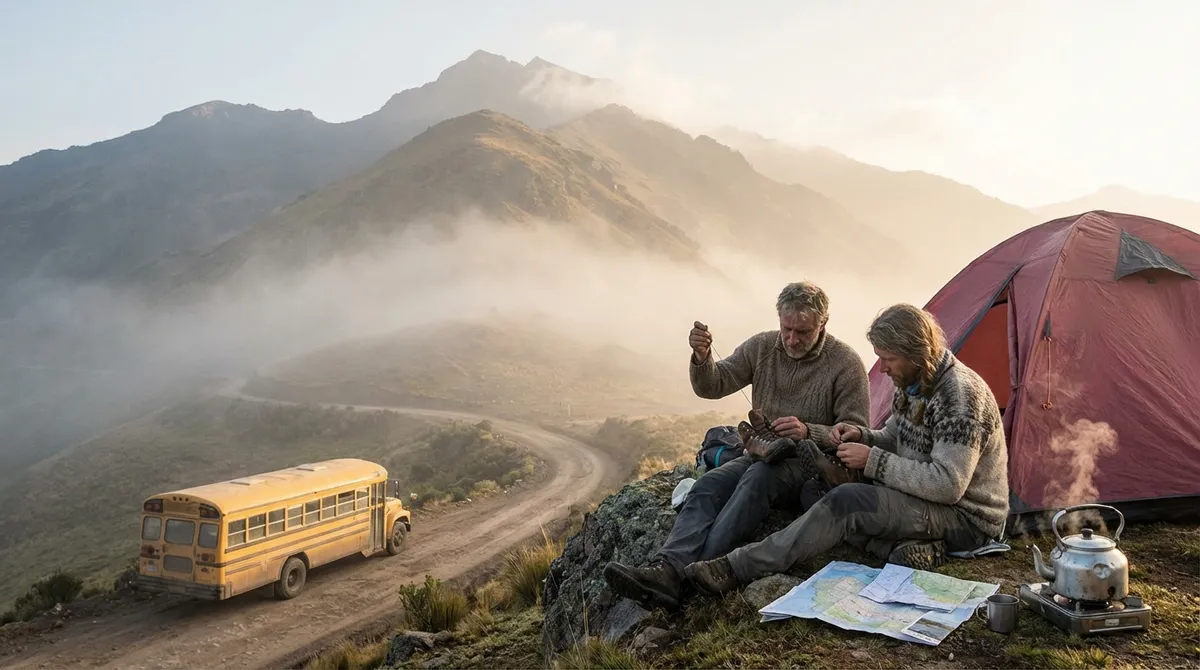
If the idea of waking up to mountain air, crashing surf, or a foreign city skyline sets your pulse racing—but your bank account tells a different story—you’re in the right place. Budget travel isn’t about deprivation; it’s about sharpening your instincts, stretching every dollar, and finding experiences the tour buses roll right past. From hidden-gem hikes to clever packing tricks, this guide is built to help you roam farther, stay longer, and spend smarter—without sacrificing the thrill of discovery.
Choosing Your Adventure: Where Budget and Beauty Collide
If you want epic landscapes and culture without explosive price tags, start by choosing regions where your currency goes further. Think: national parks in the shoulder season, lesser-known coastal towns, and second cities that sit in the shadow of more famous neighbors.
In the U.S., look beyond marquee parks like Yosemite and Zion to gems such as North Cascades in Washington, Great Basin in Nevada, or the Sawtooth Wilderness in Idaho—places with staggering scenery and thinner crowds. Internationally, swap Western Europe for the Balkans, Portugal over pricier France, or Mexico’s interior highlands instead of only beach resorts. These areas offer dynamic food scenes, historic architecture, and easy access to nature at a fraction of the cost.
Time your trip for shoulder seasons—just before or after peak travel times—to score cheaper lodging, lower flight costs, and emptier trails. And don’t underestimate “home-range” adventures: a weekend car-camping trip within 3–4 hours of home can deliver more head-clearing magic per dollar than any long-haul flight.
Sleeping Smart: Affordable Stays with Character
Your bed doesn’t need turn-down service; it needs to be safe, comfortable, and well located. Hostels have evolved far beyond crowded bunk rooms—many now offer private rooms, co-working spaces, and on-site activities. In cities, hostels or guesthouses in fringe neighborhoods (one or two transit stops from the center) often cost less yet feel more live-in and local.
In outdoor destinations, campgrounds, national forest lands, and basic cabins open up wild places for a fraction of hotel prices. Many public lands offer first-come, first-served sites if you’re flexible; others can be reserved ahead, often for under the price of a single restaurant meal. Car camping lets you skip checked baggage fees for gear-intensive trips and gives you the freedom to chase good weather.
House sitting and home exchanges can also be budget game-changers, particularly for slower travel. The tradeoff is responsibility: watering plants or caring for pets in exchange for accommodation. But for long stays in expensive cities or resort areas, it’s a powerful tool for slicing your lodging line item to nearly zero.
Packing Like a Minimalist Explorer
Every extra item in your bag is weight on your back and money out of your pocket—especially if it pushes you into checked baggage territory. Think in systems instead of single-use items: layers that work across climates, gear that handles multiple roles, and a small toolkit of essentials that keep you self-reliant.
Start with the “big three”:
- Versatile bag: A 35–45L backpack or small duffel with backpack straps is usually enough for weeks of travel. Prioritize comfort, a supportive hip belt for hiking, and carry-on compatibility.
Layered clothing system:
- Base layer: moisture-wicking T-shirts or long-sleeves. - Mid layer: a light fleece or synthetic puffy jacket. - Shell: a waterproof, breathable rain jacket. These three layers can handle chilly mountains, windy coasts, and damp city evenings. 3. Footwear: One pair of broken-in walking/hiking shoes plus packable sandals. Skip heavy boots unless you’re tackling serious trails.
Add a compact headlamp, a small first-aid kit, a collapsible water bottle, and a microfiber towel, and you have the core of a budget explorer’s kit. Packing cubes or compression sacks help you stay organized and avoid “exploding backpack syndrome,” so you don’t lose time repacking every morning.
Finally, pre-pack a “grab-and-go” day kit: a small foldable daypack with a rain shell, snacks, water, a paper map or offline maps downloaded, and a basic emergency kit. Having this ready to go in seconds makes sunrise hikes, spontaneous city walks, and last-minute bus departures much less chaotic.
Eating Well Without Emptying Your Wallet
Food is often the stealth budget-killer, especially in cities. To keep costs down without living on instant noodles, anchor your days around two strategies: self-catering and local staples.
When possible, book accommodation with at least a shared kitchen or basic kitchenette. Hit local markets or budget supermarkets on day one and stock up on:
- Oats or granola for breakfasts
- Nuts, fruit, and simple sandwiches for trail or transit days
- Budget-friendly pantry items like rice, pasta, and lentils for quick dinners
In cities and small towns alike, seek out where workers eat: neighborhood diners, market food stalls, and hole-in-the-wall spots off main tourist drags. Look for handwritten menus, daily specials, or “menu of the day” boards. Street food—when cooked fresh and hot in front of you—is often both safe and cheaper than sit-down meals.
Buy a simple picnic lunch (bread, cheese, fruit, cured meats or hummus) and eat it on a waterfront, a park bench, or a viewpoint rather than in a restaurant. You’ll trade table service for a front-row seat to real life—and save enough to splurge now and then on a memorable, sit-down meal that anchors your trip.
Hidden-Gem Outdoor Escapes on a Budget
Many of the world’s most rewarding outdoor experiences are cheap or even free—if you know where to look and how to get there. Here are a few types of hidden gems to hunt for, wherever you’re headed:
- Municipal and regional parks: Residents’ favorites that rarely make it into glossy guides. These can offer ridge walks, forest loops, lakeside paths, and viewpoints without national park fees.
- Forgotten railways and canal paths: Old infrastructure often becomes bike and walking trails, weaving through countryside, small towns, and industrial relics.
- Urban wild spaces: Riverfront greenways, city overlooks, and fringe woodlands that locals use for running, birding, or quick escapes from downtown.
- Community-managed reserves: Smaller, locally run conservation areas with minimal entry fees that directly support conservation and rural livelihoods.
Talk to park rangers, staff at outdoor shops, hostel workers, or baristas about where they go on their day off. You’ll often uncover hikes without parking chaos, local swimming holes, or sunset spots that never appear on top-10 lists.
In some regions, consider overnight hut systems or refuges instead of hotels or tents. These shared mountain lodges—common in Europe and parts of South America—offer simple beds and meals at relatively low cost and give you direct access to sunrise on the ridge and starlight far from city glare.
Sample Budget-Friendly Itineraries for Outdoor Lovers
To translate all this into action, here are three example itineraries that blend city, nature, and thrift. Adjust to your region and time available.
3-Day Microadventure (Close to Home)
- Day 1 – Transit & Setup
Travel 2–4 hours by bus, train, or car to a regional park or wilderness area. Set up camp or check into a budget cabin/hostel. Late-afternoon scouting walk to a nearby viewpoint. Simple camp-cooked dinner.
- Day 2 – Summit & Swim Day
Tackle a moderate day hike to a peak, lake, or waterfall. Pack a picnic lunch. Return in time for a cold river or lake dip near camp. Evening stargazing, journaling, or photography instead of screens.
- Day 3 – Sunrise Stroll & Return
Pre-dawn walk to an easy overlook for sunrise. Pack up slowly, make coffee, and head home by midday to avoid traffic and pricier peak-hour transit.
5-Day City + Nature Combo (Budget International or Domestic City)
- Day 1 – Arrival & Orientation
Check into a central but simple hostel or guesthouse. Walk everywhere. Scout supermarkets and markets. Sunset in a nearby park or viewpoint.
- Day 2 – City on Foot
Free walking tour in the morning (tip-based). Afternoon in low-cost or free museums; pack snacks. Evening street food.
- Day 3 – Regional Day Hike
Use public transit or a budget shuttle to trailheads: coastal walk, canyon trail, or mountain ridge. Return to the city, self-cater dinner.
- Day 4 – Neighborhoods & Markets
Explore non-touristy districts. Visit markets, secondhand shops, or waterfronts. Optional cheap boat ride or bike rental in lieu of expensive attractions.
- Day 5 – Sunrise & Departure
Early-morning walk along a riverfront, beach, or hilltop viewpoint. Use remaining groceries for breakfast; head to airport or station.
7-Day Nomad Loop (Road-Trip or Rail-Pass Style)
- Days 1–2 – Launch City
Arrive in a hub city, gather supplies, and adjust to the time zone. One full day exploring on foot, focusing on free cultural activities and markets.
- Days 3–5 – The Wild Core
Travel to a national park, coastal stretch, or mountain region. Camp or stay in simple lodges; cook most meals. Prioritize three main activities: a big hike, a lower-effort scenic day, and a rest/just-wander day.
- Days 6–7 – Slow Return
Follow a different route back, spending one night in a smaller town. Explore its trails, riverfronts, or viewpoints. Final morning in your departure city for last walks and a splurge breakfast.
Saving While You Move: Transportation Hacks
Transportation is one of the largest costs—and one of the easiest to reduce with planning and flexibility. In cities, commit to walking and public transit as your default; rideshares should be the rare exception. Buy multi-day transit passes if available, and learn one or two key routes (to your lodging, the main square, and the bus/train station) on day one.
For regional travel, overnight buses or trains can double as both transport and accommodation—just bring earplugs, an eye mask, and a neck pillow. If you’re in a country with safe, well-used rideshare apps or platforms, they can undercut rail and bus prices while providing local conversation and tips.
When renting a car for road trips or remote parks, size down, share costs with other travelers when possible, and avoid one-way rental fees by crafting loop routes. Keep snacks and water in the car to avoid overpriced roadside stops, and download offline navigation maps to dodge roaming charges and dead zones.
Safety, Sustainability, and Respect on a Budget
Traveling cheaply should never mean cutting corners on safety or ethics. Share your rough itinerary and check-in times with a friend or family member. Keep a digital and physical copy of passports and key documents. Learn local emergency numbers and basic phrases like “help,” “hospital,” and “pharmacy” in the local language.
In outdoor spaces, follow Leave No Trace principles: pack out all trash, avoid trampling vegetation, and stick to established trails unless local guidance says otherwise. Support local economies by shopping at small markets, eating in family-run restaurants, and hiring local guides when tackling complex routes or culturally sensitive sites.
Budget travel can actually be more sustainable: slower movement, longer stays, and deeper engagement with fewer places. The choice to skip one flight by exploring within a day’s journey, to refill a water bottle instead of buying new plastic, or to spend your money with local operators amplifies your positive impact.
Conclusion
Travel on a budget isn’t about seeing less; it’s about seeing more clearly. When you loosen your grip on rigid itineraries and glossy must-sees, you find sunrise viewpoints no one’s named, quiet trails that feel like your own, and city corners that hum with everyday life instead of camera flashes. With a lean pack, a flexible plan, and a willingness to let curiosity lead, the world opens up—mountains, markets, backroads, and all—without demanding that you drain your savings to meet it.
Adventure doesn’t wait for “someday.” It waits for the moment you decide that what you have—in your wallet, on your back, and under your feet—is enough to begin.
Sources
- U.S. National Park Service – Trip Planning & Safety - Official guidance for planning affordable, safe visits to U.S. national parks, including camping and hiking information
- REI Co-op – Expert Advice: How to Pack a Backpack - Practical packing and gear tips that help travelers go lighter and avoid unnecessary purchases
- Lonely Planet – Budget Travel Tips - A global overview of strategies for saving money on transport, food, and accommodation
- BBC Travel – The Secret Value of Shoulder Season - Explains how timing your trips can reduce costs and crowds while improving the experience
- Leave No Trace Center for Outdoor Ethics - Details the seven principles for minimizing impact in outdoor environments, crucial for responsible exploration