
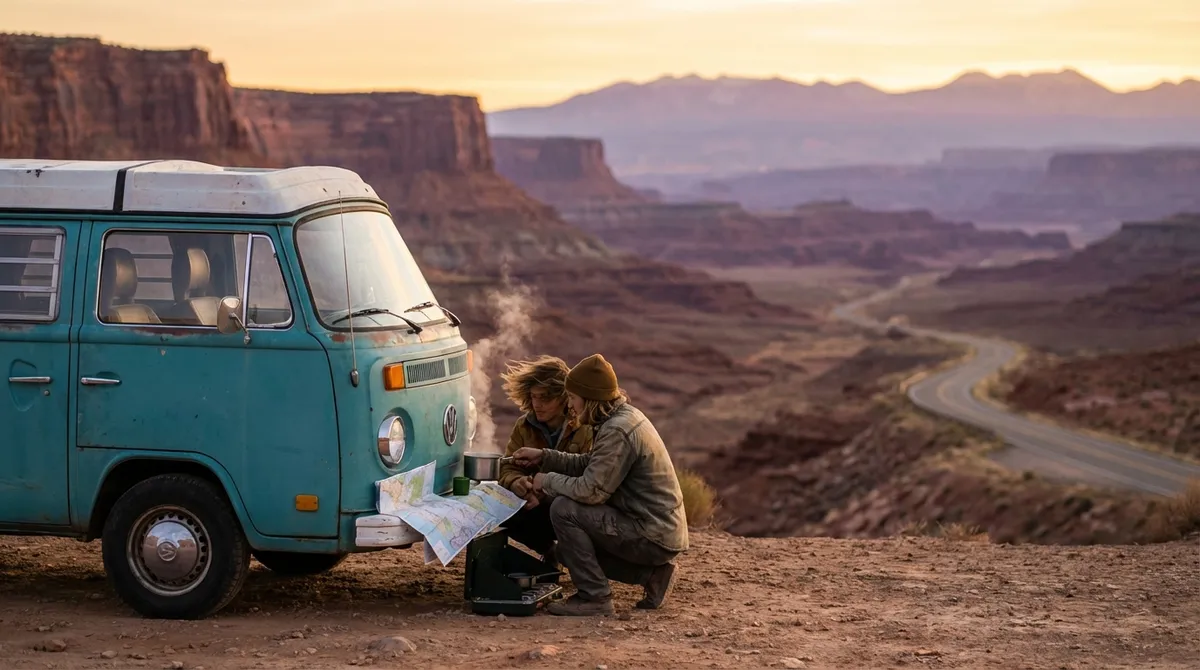
Nothing beats the rush of watching the landscape change through your windshield—pine forests giving way to red rock, small towns sliding past in a blur of neon diners and dusty main streets, the horizon always promising something new. Road trips are freedom distilled: your playlist, your pace, your detours. Whether you’re plotting your first weekend escape from the city or your tenth cross-country odyssey, the right planning can turn “just a drive” into a string of unforgettable stories. This Pinecrest View guide is your roadmap to hidden gems, smart packing, and flexible itineraries built for both spontaneity and awe.
Designing Your Perfect Route: Adventure With a Safety Net
The best road trips live in the sweet spot between structure and improvisation. Start by choosing a “spine” for your journey—one major scenic corridor or theme—and then layer on side quests.
Pick a primary route that offers variety: mountain passes, lakes, small towns, and at least one national or state park. Use that as your daily anchor point, then mark possible detours within a 30–60 minute radius for serendipitous stops. Aim for drive days of 3–5 hours of actual time behind the wheel; longer than that and you spend more time staring at lane lines than landscapes.
Next, set a “non-negotiable highlight” for each day: a peak hike, a must-try restaurant, a swimming hole, or a local festival. This keeps you motivated without locking the day into a rigid schedule. Build in buffer days—especially on longer trips—where your only goal is wandering: brewery tastings, antique shops, hot springs, or a lazy afternoon in a riverside campground.
Finally, plan your overnights strategically. Alternate between low-frills (campgrounds, budget motels, car camping where legal) and splurges (a cabin in the woods, a boutique inn in a historic district) so you don’t burn out. Book high-demand spots ahead of time—national parks, popular coastal towns, and iconic routes—while leaving some nights open in less crowded regions so you can follow the weather or your curiosity.
Hidden Gems: Scenic Stops and Small-Town Surprises
The highways get you there; the two-lane roads deliver the magic. Some of the best road-trip memories live in places that never make a glossy brochure—quiet overlooks, tiny trailheads, and roadside oddities worth a 10-minute detour.
Look for old state highways that run parallel to the interstate; they often pass through historic downtowns with brick storefronts, mom-and-pop cafés, and murals that beg for a photo stop. County tourism boards’ websites and local visitor centers are goldmines for hyper-local tips like waterfall pullouts, covered bridges, or sunset points only the locals rave about.
When you roll into a new town, hit the coffee shop, gear store, or diner and ask three questions: “What’s the best view around here?” “Where would you send a friend for one great meal?” and “Is there anything cool happening tonight?” You’ll collect everything from amateur bluegrass jams and farmers’ markets to night paddles and star parties.
Also keep your eyes peeled for unconventional stops: decommissioned fire towers you can climb, restored train depots turned into museums, hot springs with minimal crowds, and wildlife viewing turnouts at dawn or dusk. Many state parks are overshadowed by their national park neighbors but offer similarly stunning trails, lakes, and campgrounds with far fewer people. Those second-tier names on your map are often first-class experiences.
Smart Packing: Building a Road Trip Kit That Actually Works
Your car is your basecamp, your closet, your pantry, and sometimes your hotel room—pack like it. Think in systems rather than random items so you can find what you need without excavating your trunk every time you stop.
For the car itself, start with safety: a full-size spare (if your vehicle has one), jumper cables or a jump starter, a tire repair kit, a compact air compressor, and basic tools. Add a paper road atlas—yes, the old-school kind—for when cell service vanishes. Include a printed list of emergency contacts, roadside assistance numbers, and your vehicle information.
Then dial in your comfort and daily living systems:
- Sleep system: Compact camp pillows, a warm blanket or sleeping bag (even if you aren’t camping), and an eye mask. For car camping, a folding foam pad or inflatable mattress that fits your backseat or cargo area can transform a rough night into real rest.
- Kitchen kit: A plastic tote with a cutting board, knife in sheath, reusable utensils, collapsible bowls, a small stove with fuel, lighter, dish soap, sponge, and microfiber towel. Add a cooler with block ice or ice packs and designate one bag for “snacks in reach” so you’re not lunging for the trunk at every scenic pullout.
- Clothing system: Pack in layers and categories, not outfits. One small cube for base layers and socks, one for mid-layers, one for outerwear, and one for “town clothes.” Quick-dry fabrics and merino wool fight the road-trip trifecta of sweat, spills, and repeated wear.
- Essentials grab-bag: Keep sunscreen, lip balm, sunglasses, headlamp, small first-aid kit, hand sanitizer, tissues, and wet wipes in a bag that lives up front. If you’re often outdoors, add insect repellent and a basic blister kit for spontaneous hikes.
Finally, curate a “boredom and downtime” kit—deck of cards, paperback book, downloaded podcasts and playlists, and a small notebook. Long stretches, rain delays, and slow evenings in camp feel much richer with something to do that isn’t just scrolling your phone.
Outdoor Exploration: Turning Pit Stops into Mini Adventures
The magic of a road trip is how quickly “let’s stretch our legs” can become “we just watched a sunset from a mountain ridge.” The key is to be ready for micro-adventures—short, satisfying explorations that fit around your driving schedule.
As you plan your route, identify 1–2 short hikes (1–4 miles) or nature walks near your daily path. Trail apps and park websites let you filter for distance, elevation, and difficulty. Favor loops or out-and-backs that start from well-marked trailheads with decent parking—especially if you’re on a schedule.
Water is your best friend on the road. Look for lakes with public access, riverfront parks, or oceanside pullouts where you can wade, paddle, or just sit and watch the light shift. Pack compact swimwear and a quick-dry towel in an easy-access bag so you don’t talk yourself out of a spontaneous dip because your gear is buried.
Aim your driving so your key scenic sections happen early or late in the day. Sunrise light over a valley or canyon and golden hour across open desert, coastline, or forested ridges are worth rearranging your timeline. Dawn drives also boost your odds of spotting wildlife—just slow down and be prepared to brake if animals are near the road.
Lastly, balance your ambitions. If one day includes a long, strenuous hike, choose lighter activity the next day: a scenic overlook, a boardwalk trail, or a simple campfire evening under a sky full of stars. Road trips are marathons, not sprints; saving some energy keeps every trail and viewpoint feeling like a gift, not an obligation.
Sample 5-Day Road Trip Itinerary Blueprint
Use this flexible template as a jumping-off point, whether you’re threading through mountains, chasing a rugged coastline, or zig-zagging between canyons and forests. Think of it as a shape you can pour into any landscape.
Day 1: Departure & First Lookout
Leave mid-morning to avoid rush-hour chaos. Keep your first drive short—3–4 hours—to ease into the journey. Plan a late-afternoon stop at a scenic viewpoint or short nature trail and grab dinner in a nearby town. Overnight at a simple motel or front-country campground. Non-negotiable highlight: your first sunset stop; no matter how tired you are, pull over somewhere beautiful and watch the sky change.
Day 2: Signature Park & Sunset Hike
Drive to your first major outdoor anchor: a national or state park, national forest, or coastal preserve. Spend the day exploring a moderate trail, scenic drive, or lakeshore. Book this night ahead if you’re near a popular area. Non-negotiable highlight: a golden-hour hike or shoreline walk that doesn’t require a headlamp on the way back.
Day 3: Small-Town Wandering & Hidden Water
Sleep in a bit, then take a backroad route to a smaller town that has character—historic district, riverfront, or artsy main street. Ask locals about nearby waterfalls, swimming holes, or lesser-known overlooks. This is your “flex” day: extra night here if you love it, or move on if you’re itching for new terrain. Non-negotiable highlight: one “locals-only” spot discovered through conversation.
Day 4: Big Views, Short Miles
Keep the driving mileage low—maybe just 2–3 hours—but maximize viewpoints. Prioritize a scenic byway, mountain pass, or coastal cliff road. Build in frequent stops and a short hike. Tonight, splurge on a cabin, yurt, or unique stay if your budget allows. Non-negotiable highlight: a viewpoint where you linger at least 30 minutes without your phone.
Day 5: Slow Roll Home
For your final day, choose a different route home if possible to avoid “repeating” scenery. Stop in one last town for brunch or a late lunch. Before you roll back into regular life, find a park or overlook within an hour of home to stretch, reflect, and jot down your favorite moments while they’re fresh. Non-negotiable highlight: capturing your journey in a few photos and notes so it doesn’t blur into just “that one time we drove a lot.”
Road Trip Ethics: Leave No Trace and Travel Kindly
The freedom of the open road comes with responsibility—to the landscapes you roam and the communities you pass through. A thoughtful traveler leaves a trail of gratitude, not trash.
In outdoor areas, follow Leave No Trace principles: stay on established trails, pack out all your garbage (including food scraps and toilet paper), and respect wildlife by giving them plenty of space and never feeding them. Use bathrooms at trailheads, gas stations, or visitor centers when you can; if you have to go in the backcountry, learn proper disposal techniques for your region.
In towns, spend like a local. Choose independent cafés, diners, and shops when possible, and tip generously if service allows. Ask permission before photographing people or private property. Be mindful at gas stations and convenience stores in remote communities—they often run on thin margins, so every purchase helps keep them alive for future travelers.
On the road itself, be a courteous driver: use pullouts to let faster cars pass, obey speed limits in small towns, and keep noise down in quiet campgrounds or motels. When you visit oversubscribed natural hotspots, consider timing your visit at off-peak hours, or choose less crowded alternatives nearby to spread out the impact.
When you travel this way, you’re not just consuming scenery—you’re participating in a living network of places and people, leaving each stop a little better than you found it.
Conclusion
A road trip isn’t just a line drawn across a map; it’s the long conversation between where you’re coming from and where you’re going. It’s the gas station sunrise, the spur-of-the-moment side road, the town you’d never heard of but now can’t forget. With a smart route, a dialed-in packing system, and a willingness to say “yes” to the unexpected, you’ll turn every stretch of highway into a choose-your-own-adventure story.
Fuel up, cue the playlist, and point your hood toward the horizon. The best parts of the journey might be the stops you don’t even know you’re going to make yet.
Sources
- National Park Service – Trip Planning & Safety - Guidance on planning visits, safety tips, and best practices for exploring U.S. national parks by car
- Leave No Trace Center for Outdoor Ethics - Core principles for minimizing your impact while hiking, camping, and exploring outdoors
- U.S. Department of Transportation – Safe Driving Tips - Official safety information and best practices for road travel
- AAA Road Trips & Travel Planning - Route planning tools, scenic drives, and road trip resources across North America
- REI Co-op – How to Pack for a Road Trip - Detailed packing checklists and gear advice tailored to car-based travel and camping