
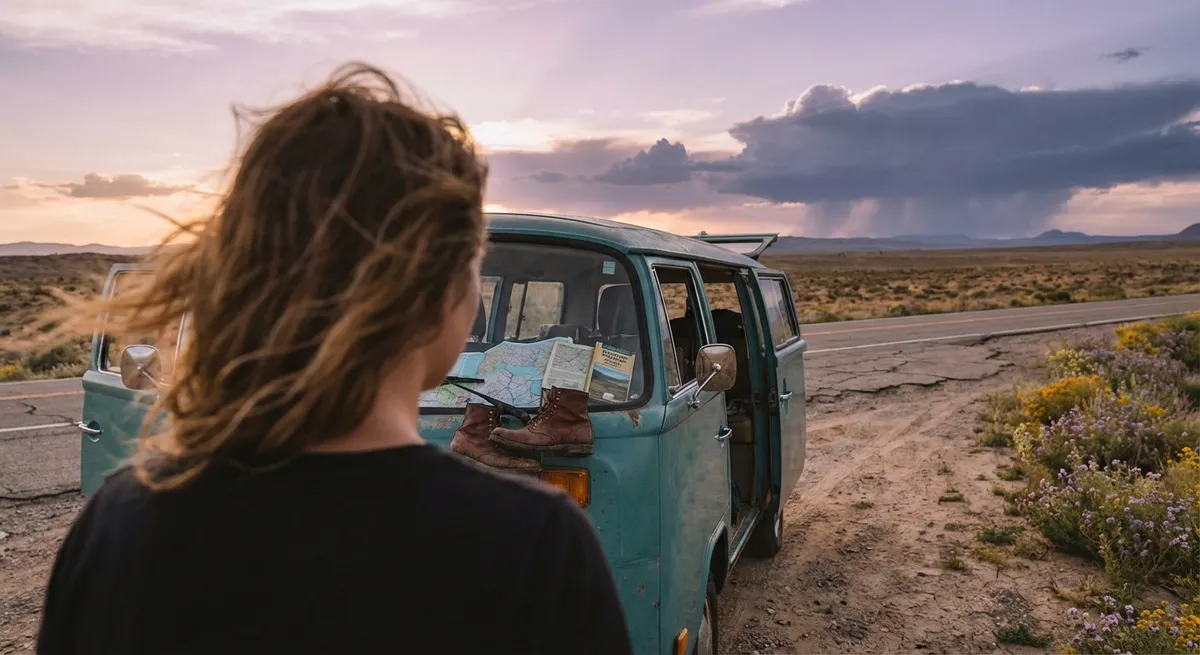
There’s a moment on every great road trip when the highway empties, the radio static fades into a single clear station, and you realize you’re not just going somewhere—you’re out there. This is the magic Pinecrest View lives for: long horizons, unexpected detours, and small towns that still leave the porch light on for strangers. This guide is your map to building a road trip that feels wild yet workable—packed with hidden gems, smart packing moves, and itinerary ideas that leave space for serendipity.
Chasing the Two-Lane: How to Choose Roads That Tell a Story
If interstate highways are conveyor belts, two-lane roads are narratives—twisting, stopping, and occasionally meandering through the heart of nowhere in particular. For a road trip that feels like an adventure instead of a commute, start by plotting your route around secondary roads and scenic byways rather than the fastest line between dots.
Begin with a broad region instead of a rigid endpoint. Maybe it’s “high desert plateaus and slot canyons,” “lakes and farm country,” or “coastline and foggy mornings.” Then layer in officially recognized scenic routes and lesser-known state highways that skirt mountain ranges, lakeshores, or old rail lines. Watch for old main streets bypassed by newer roads; these often hide diners with local pie, antique shops, and historic hotels that survived the interstate era.
Build your map with a mix of backbone routes and optional side loops. The backbone keeps you moving; loops let you dive deeper: an extra 40 minutes for a fire lookout road, a dirt spur to a forgotten campground, or a river access point known mostly to locals. Plan distances with daylight in mind: leave margin for wrong turns, trail stops, and those stretches where you’ll want to pull over just to sit on the tailgate and listen to the wind.
Hidden Turnoffs: Finding Small-Town Stops and Wild Corners
The best road trip stories rarely happen at the major viewpoint everyone’s lined up to photograph. They happen in the in-between: at a shuttered railway depot glowing in golden hour, or a gravel pullout where the map shows nothing at all.
To uncover these, train your eyes—and your research—on the edges. On paper or digital maps, zoom in along your route and look for clues: unpaved roads ending near rivers, tiny green patches indicating overlooked state parks or wildlife areas, or labeled features like “overlook,” “falls,” “lookout,” or “old mine.” These often lack billboards but deliver wild, crowd-free moments.
In small towns, park once and walk the main drag. Check the community bulletin board at grocery stores, feed shops, or post offices; they typically reveal local events, guided walks, or seasonal farm stands not listed online. Step into the local library or visitor center and ask staff where they would go to watch the sunset, stretch their legs, or eat after a long day of driving—you’ll often get directions in the form of “drive until the pavement ends, then go one more mile.”
Keep a “soft list” of possible stopovers: a riverside picnic area, a microbrewery in an old mill, a trailhead just off your route. You won’t hit all of them, but having a menu of options makes it easier to grab the right moment when the light, weather, and your energy level all align.
The Road Trip Loadout: Packing for Flexibility, Not Just Comfort
Good packing for a road trip isn’t about filling every last cubic inch—it’s about creating a mobile basecamp that can flex from roadside vista to unplanned overnight without drama. Think in systems rather than individual items: sleep, food, navigation, safety, comfort, and exploration.
For sleep, even if you’ve booked lodgings, keep a minimalist backup: a compact sleeping bag or quilt, an inflatable or foam sleeping pad, and a simple pillow (or pillowcase you can stuff with clothes). Combined with a reclining seat or a lay-flat rear area, this gives you a safe fallback if weather, traffic, or plans change. A lightweight emergency blanket lives in the glove box as insurance.
Food and water are your autonomy levers. A mid-sized cooler, stacking food bins, a small cutting board, and one sharp knife transform gas station snacks into real meals. Stock non-perishables that can become fast dinners: tortillas, beans, instant rice, shelf-stable tofu or tuna, nuts, and dried fruit. Aim to carry at least one full day of extra food beyond your plan. For water, bring reusable jugs plus a small filter or purification tablets in case you find a campground spigot or wild source.
In the “exploration” kit, include a daypack always ready to go with a basic first-aid kit, headlamp, extra layer, compact rain shell, small power bank, map or offline maps, and snacks. That way, when you spot a trail sign or overlook, you’re five minutes from walking—not 30 minutes of reorganizing the car. A pair of camp chairs, a compact tarp, and a lantern or string lights turn any roadside pullout or basic campsite into a livable space where you’ll actually want to linger.
Itinerary with Breathing Room: Building Days That Don’t Feel Rushed
Road trips fall apart when the schedule is tighter than the traffic. The trick is to design an itinerary that has a sense of arc—start, middle, and end—but enough empty space for detours and delays. Think in “zones” instead of exact arrival times: morning zone, midday zone, evening landing.
A practical rhythm for many travelers is 3–5 hours of actual drive time per day, broken into chunks. Mornings are for your longest, quietest stretches; afternoons for wandering and side quests; evenings for landing, settling in, and soaking up wherever you’ve chosen to stop. Instead of “Arrive by 3:00 p.m. in X town,” try “Aim to be within 30 miles of X by late afternoon, then choose a final stop based on weather and mood.”
Pick “anchor points” every few days—a specific hike, a hot spring, a historic site, or a campground with showers. Around those anchors, let the rest of the day be more fluid. Maybe you hit an unplanned farmers’ market, drive an extra hour to stay above a fog bank, or linger at a lake because the water is glass and the loons are calling.
Have a loose Plan B for each day: a backup town with lodging, an alternative campground or public lands area nearby, and a shorter driving option if energy tanks or weather blows in. This doesn’t kill spontaneity; it protects it. When a perfect side road appears, it’s much easier to say “yes” if you already know you have a fallback a bit down the way.
Weather, Seasons, and Reading the Road Like a Local
The same highway can be an entirely different creature in July vs. November. Season shapes everything: road openings, wildfire smoke, snowpack, river flows, and how crowded campgrounds or trailheads might be. Before you commit to a route, check typical conditions and shoulder-season quirks for the regions you’ll cross, not just your destination.
In mountains or northern latitudes, expect snow and ice to linger on passes and unpaved roads well into late spring, and watch for early closures in fall. Desert regions demand respect for heat and flash floods; plan early departures, midday shade breaks, and larger water margins. Coastal drives may trade intense heat for fog, landslide-prone cliffs, and sudden changes in visibility.
As you travel, think like a local driver. Watch how trucks and residents handle grades, curves, and weather—if everyone is slowing for a certain canyon at dusk, there’s probably a reason. Before heading out each morning, check regional road conditions and weather for your entire corridor, not just the nearest town. If there’s a storm predicted, choose a more conservative route or decide on an earlier stop to avoid driving tired into weather.
Always have a functional paper map or road atlas in addition to digital navigation, especially in rural or mountainous regions where coverage is spotty. Mark fuel gaps where services are rare, and treat your tank’s halfway point as the new “empty” in remote areas.
Small Acts of Stewardship on Big Open Roads
The wildness of a road trip depends on the places you pass through staying wild—and welcoming. You’re not just a traveler; you’re a temporary guest in ecosystems and communities that have their own rhythms, pressures, and histories.
On public lands, follow Leave No Trace principles with road trippers in mind. Stick to established pullouts and campsites rather than carving new bare patches into meadows or desert crust. Pack out every scrap of trash, including micro-litter like twist ties, can tabs, and cigarette butts. Use restrooms where provided; if you must go outdoors, do it at least 200 feet from water sources and pack out toilet paper in a sealed bag.
In towns, spend like your visit matters—because it does. Fuel up at locally owned stations when you can, grab coffee or a meal downtown rather than at the highway-only chains, and ask before photographing private property or people. Respect local quiet hours at campgrounds and small inns; the night sky feels bigger when the soundtrack is wind and crickets instead of your tailgate speaker.
If you stumble across a spot that feels truly fragile—a small hot spring, a hidden waterfall, a crumbling ruin—consider sharing it carefully, or not at all, on social media. The wildest places can be undone by too many pin drops. Let some corners of your journey stay between you, the road, and the pines.
Conclusion
Road trips live at the crossroads of movement and stillness: miles ticking under your wheels, and pockets of time where you pull over and let a place seep in. With a flexible route, a thoughtfully packed car, and eyes tuned to the quiet turnoffs, you can turn any stretch of asphalt into an expedition—one that holds space for both big landscapes and the tiny, human moments that anchor them.
When you’re ready, pick a region, circle a rough loop, mark just a handful of must-stops, and leave the rest as blank road for your future self to fill in. The best stories rarely come from the places you planned most carefully. They come from the places you almost drove past.
Sources
- National Park Service – Trip Planning & Safety - Guidance on safe, low-impact travel near and within U.S. national parks, including road and seasonal considerations
- U.S. Federal Highway Administration – America’s Byways - Official directory of nationally recognized scenic byways and back roads to help shape more scenic road trip routes
- Leave No Trace Center for Outdoor Ethics – Travel & Camp on Durable Surfaces - Best practices for minimizing impact during roadside stops and dispersed camping
- Ready.gov – Car Safety and Emergency Supply Kits - Government recommendations for vehicle preparedness, emergency supplies, and safe driving in varying conditions
- AAA – Road Trip Planning Resources - Practical information on route planning, road conditions, and seasonal travel tips for drivers