
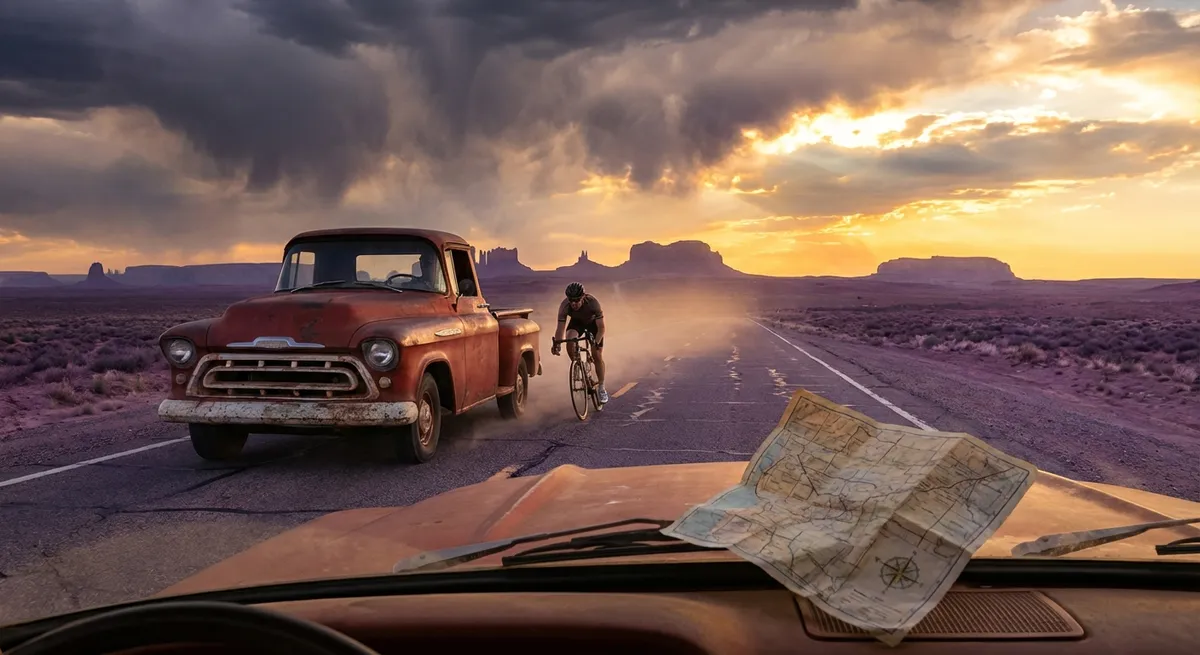
There’s a moment on every great road trip when the highway empties, the sky widens, and the world feels bigger than your to‑do list. That’s the moment Pinecrest View lives for—the stretch of asphalt that leads to forgotten trailheads, riverside pullouts, and small towns where time moves just a little slower. This guide is your co-pilot for planning road trips that trade tourist traps for hidden overlooks, cramped itineraries for wide-open days, and box-checking for real exploration.
Designing a Road Trip Around Landscapes, Not Landmarks
Instead of pinballing between famous attractions, start with the landscapes you crave and let them shape your route. Do you want coastlines with pullouts that smell like salt and seaweed, mountain passes where snow lingers in July, or desert backroads that burn orange at sunset? Open a map (yes, a real or offline one) and draw a loose loop that links two or three key ecosystems within a manageable driving radius.
Think in segments rather than one continuous grind: a day for ridgelines and high lakes, a day for canyon drives and river walks, a day cutting through ranchland and tiny main streets. Use scenic byways and secondary highways wherever possible; they’re often stitched with unmarked trailheads, picnic spots, and unpublicized viewpoints that never make it onto glossy brochures. Build in “blank spaces” on your schedule—two- or three-hour gaps you don’t pre-plan. Those unclaimed windows become your space to chase a dirt road to the horizon, follow a brown sign toward a historic site, or linger in a roadside café because the stories are too good to leave.
When you’re plotting your loop, check seasonal access and elevation. A mountain pass that’s dreamy in July can be a snowbound dead end in May; a desert route that glows in April can be an oven by August. Use satellite view to scout for pullouts along rivers, lakes, or ridge crests. You’re not just mapping a route—you’re curating a string of potential micro-adventures along it.
Hidden Gems: Finding the Quiet Corners Along the Way
Hidden gems aren’t always secret; they’re often just overlooked. The trick is to read between the lines of the map and listen closely to locals. When you roll into a gas station, café, or visitor center, skip the generic “What should we see?” and instead ask, “If you had a free afternoon and wanted somewhere quiet outside town, where would you go?” That wording nudges people away from the heavily marketed sights and toward the creek they fish, the ridge where they watch storms roll in, the old road that only the locals still drive.
Look for place names that hint at views or water—“point,” “ledge,” “bluff,” “falls,” “springs,” “overlook.” Once you spot one, zoom in digitally or with a detailed atlas: Is there a spur road? A loop trail? A picnic symbol? Often, those little icons point to trailheads with parking lots big enough for only a handful of cars—a good sign that you’re on the right track. Historic markers pulled off the shoulder can be surprisingly rich starting points: many sit beside short walking paths, viewpoints, or forgotten byways that peel away from the main road.
State and national park “lesser units” are another gold mine: national recreation areas, state forests, and wildlife refuges see a fraction of the traffic of marquee parks but often share the same rivers, mountain ranges, or canyons. Plan a day skirting the edges of a famous park on forest roads, stopping at lightly used campgrounds, trailheads, and boat launches instead of jostling for space in the central valley.
Packing the Car Like a Mobile Basecamp
The difference between a chaotic road trip and a smooth one is often decided in your trunk. Think of your vehicle as a rolling basecamp with zones, not a bottomless gear pit. Start with three clear categories: “daily access,” “camp & cook,” and “emergency & repair.” Daily access lives inside the cabin or in the most reachable section of the trunk: snacks, water, layers, sun protection, camera gear, and a small daypack ready for any spur-of-the-moment hike.
Camp & cook can ride deeper in the back: a compact stove, fuel, one versatile pot or pan, a cutting board, a knife in a sheath, reusable utensils, and a simple spice kit (salt, pepper, chili, maybe garlic). Add a cooler or insulated bag, collapsible water container, and a small dishwashing setup (biodegradable soap, scrubber, microfiber towel). Think in terms of quick one-pan meals: quesadillas, stir-fries, skillet breakfasts, and pasta that can be dressed up with whatever you find in a local market.
Emergency & repair should be non-negotiable: a spare tire in good shape, jack and lug wrench, jumper cables or a jump pack, duct tape, basic tool kit, tire repair kit, reflective triangle, headlamp with extra batteries, and a first-aid kit tailored to your activities. Include a printed list of emergency contacts and your vehicle’s key details (license plate, VIN, insurance, roadside assistance number) in case your phone is dead or out of service. Pack an extra paper map for the region; offline navigation apps are great until they aren’t.
Itinerary Flow: Balancing Long Drives and Wild Detours
A good road trip itinerary breathes. Too many hours chained to the wheel and the journey turns into a blur of rest stops; too few, and you may never reach the landscapes you dreamed about. A practical rhythm for many travelers is to alternate “drive-heavy” and “explore-heavy” days. On your drive-heavy days, accept a few longer stretches of road, but punctuate them with purposeful stops: a short trail to a viewpoint, a quick swim in a lake, a half-hour stroll through a small downtown.
On explore-heavy days, park the car early and move under your own power. Hike a loop trail, rent a kayak, wander a historic district, or amble through a local farmers’ market. Build in a mid-day anchor: a waterfall you want to reach by noon, a ridge where you plan to watch sunset, a spot with dark skies for stargazing. Let the rest of the day flex around that one goal. You’ll still feel the satisfaction of “getting somewhere,” but with room to follow spontaneous whims.
Instead of booking every night in advance, consider holding the first and last nights firm (to avoid arrival anxiety and pre-departure stress) and leaving the middle of the trip more open. Research a constellation of campgrounds, motels, or cabins along your intended loop so you’re not searching blind, but don’t lock yourself into a rigid progression unless it’s peak season in a very popular region. Watch your own energy levels: if the thought of another 5-hour push makes your shoulders tense, pivot. Shorten the loop, add an extra layover day, or cut a destination in favor of actually absorbing the ones you’ve reached.
Roadside Exploration: Micro-Adventures Without Losing the Day
Not every adventure has to be a half-day hike or a backcountry epic. Some of the most memorable road-trip moments happen in 30- to 60-minute windows just off the pavement. Think in terms of “micro-adventures” you can stack along your route without derailing the bigger journey. When you see a river access sign, pull over for a 20-minute toe-dip, rock-skip, or shoreline wander. When a side road promises a “scenic overlook,” give yourself permission to detour even if it adds a half-hour—those side spurs often reveal an unexpectedly sweeping view of the valley you’ve been driving through all morning.
Look for 1–3 mile loop trails near rest areas, visitor centers, and small parks. A short leg-stretcher through pines, over slickrock, or along a bluff can reset your body and sharpen your senses more than a hurried gas-station break. If you pass a farm stand or market, stop and build your next meal around whatever you find: fresh fruit, bread, cheese, local honey. Eating the landscape, even in small bites, can be as powerful as seeing it.
Give yourself at least one “stay put” moment each day where you’re not behind the wheel—sitting on a boulder with a thermos of coffee, watching the last light leave a canyon, or listening to wind comb through grasslands. These pauses are where the trip stops being a checklist and starts becoming a memory.
Safety, Stewardship, and Traveling Light on the Land
Wild roads come with wild variables: weather that flips in an hour, gravel passes where your cell signal vanishes, and wildlife that doesn’t care about your schedule. Before you leave, check weather forecasts for the entire corridor you’re traveling, not just your destination, and understand how local conditions can change driving (fog on coastal roads, black ice in shaded canyons, flash floods in desert washes). Let someone at home know your general route and timing, especially if you plan to explore unpaved roads or remote trailheads.
On the road, treat your impact like a travel companion you’re determined to keep as small as possible. Stay on existing roads and pullouts; avoid creating new tracks in fragile desert crusts or alpine meadows. Pack reusable bottles, mugs, and utensils so you’re not leaving a trail of single-use cups and forks across the region. When you stop at rivers, lakes, or viewpoints, pack out every scrap of trash—even if it isn’t yours. Those small choices add up when thousands of people follow the same scenic routes each year.
Practice Leave No Trace principles at campsites and picnic areas: camp on durable surfaces, keep fires small and only where permitted, store food properly, and respect quiet hours so dark-sky seekers and early-rising hikers can rest. Remember that local communities are part of the landscape too—support family-run diners, gear shops, and markets, and approach every town like a guest who wants to be invited back.
Conclusion
A road trip is more than miles and playlists; it’s an invitation to re-map how you move through the world. When you design routes around wild spaces instead of famous stops, pack your car like a nimble basecamp, and leave plenty of room for detours and quiet pauses, the highway stops being a blur between destinations and becomes the adventure itself. The next time the road narrows, the traffic thins, and the sky opens up above your windshield, follow it. Somewhere beyond the next bend is a gravel pullout, a hidden overlook, a trail you won’t find in any brochure—waiting for you to stop, step out, and breathe it all in.
Sources
- National Park Service – Trip Planning and Safety - Guidance on safe travel, road conditions, and responsible exploration in and around U.S. national parks
- U.S. Forest Service – Know Before You Go - Up-to-date information on forest roads, dispersed camping, and seasonal access in national forests
- Leave No Trace Center for Outdoor Ethics – Seven Principles - Framework for minimizing impact while camping, hiking, and stopping at roadside natural areas
- AAA – Road Trip Planning & Driving Tips - Practical advice on vehicle preparation, safety, and efficient routing for long drives
- National Scenic Byways Program – America’s Byways - Directory and descriptions of designated scenic byways that can help you build more beautiful, less-crowded routes