
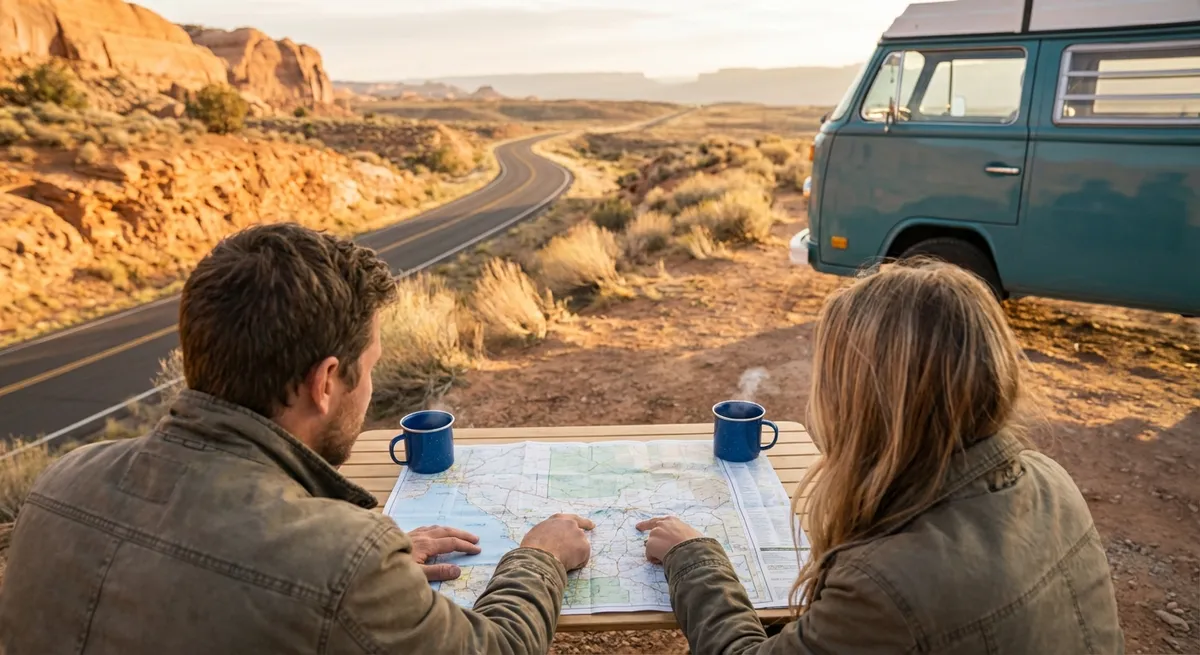
There’s a particular kind of magic in watching the world unspool through your windshield—mountains swelling on the horizon, small towns gliding past, and the sky constantly rewriting itself. A road trip isn’t just a way to get somewhere; it’s a moving basecamp for adventure. Whether you’re planning your first weekend loop or a multi-state odyssey, the right mix of preparation, curiosity, and flexibility can turn “just driving” into an unforgettable journey.
Designing a Road Trip That Actually Feels Free
A great road trip balances structure with spontaneity. Start with a loose framework: your start and end points, your total days, and your “must-do” stops—then leave generous white space in between.
Pick a theme to anchor your route. You might chase national parks, scenic byways, historic towns, lighthouses, hot springs, or coastal viewpoints. Themes keep your planning focused while still allowing room for serendipity. For example:
- Weekend Warrior Loop: A 2–3 day circle starting and ending in the same city, with one anchor hike, one standout meal, and one scenic drive.
- Park-to-Park Ramble: String together two or three state or national parks, building in slow mornings and short driving days.
- Small Town + Backroads Circuit: Focus on lesser-known communities, farm stands, and old highways that parallel the main interstates.
Think in time, not miles. Long drives always take longer than the map suggests—between photo stops, bathroom breaks, and roadside discoveries, aim for 4–6 hours of driving per day as a comfortable maximum. Whenever possible, schedule:
- One “long haul” day followed by
- One “short hops + exploring” day
This rhythm keeps fatigue at bay and leaves room for unexpected detours.
Hidden Gems: Off-the-Radar Stops Worth the Detour
Some of the best road trip moments happen miles from the nearest famous landmark. Instead of pinballing between overcrowded attractions, pepper your route with unsung corners that feel like they’re just for you.
Here are the kinds of places to seek out—and how to find them:
- State Parks Over National Park Headliners: Nearby state parks often offer similar scenery with a fraction of the crowds. Think lesser-known trail networks, lakefront campgrounds, and quieter overlooks.
- Scenic Byways & Old Highways: Alternative routes—like “scenic byways” or old US highways—tend to pass through quirky small towns, roadside diners, and viewpoints the interstate totally misses.
- Local Swim Holes & Rivers: Ask at coffee shops or outdoor stores about safe local swim spots, river put-ins, or mellow beach access. Many won’t be online—but locals usually know.
- Historic Downtowns, Not Just Outlets: Skip the highway shopping center and pull into the old main street. You’ll often find murals, historic buildings, indie bookstores, and old-school cafes.
- Community Trail Systems: Many towns maintain local trail networks—short loops along creeks, forested hills, or urban greenways. These are perfect for stretching your legs between driving segments.
To uncover these gems:
- Zoom way in on digital maps to spot tiny parks, overlooks, or lakes.
- Check local tourism board websites and “events” pages.
- Read recent trip reports from hikers, cyclists, or paddlers covering the region.
- Search “[nearest town] + scenic drive” or “hidden hikes near [state/region].”
Treat each day like a treasure hunt: you have your main destination, but you’re always ready to pull over for a roadside farm stand, a bakery with a line out the door, or a random trailhead with an intriguing name.
Packing Smart: The Road Trip Basecamp Kit
Your vehicle is your moving cabin, gear closet, and pantry all in one. The goal isn’t to bring everything you own—it’s to bring what keeps you safe, comfortable, and ready to say “yes” to whatever the road offers.
Non-Negotiable Essentials
- Paper maps or offline maps: Dead zones happen. Download offline maps on your phone and carry at least one paper map for your broader region.
- Basic roadside kit: Jumper cables, tire pressure gauge, tire repair kit or full-size spare, flashlight/headlamp, duct tape, multi-tool, work gloves, and a compact air compressor if you can.
- First-aid kit: Include blister care, pain relief, antihistamines, bandages, antiseptic wipes, and any personal medications.
- Water system: A large refillable jug (2–5 gallons, depending on crew size) plus individual bottles. Add a small water filter if you’ll be near backcountry sources or primitive campgrounds.
- Navigation + power: Phone mount, multi-port car charger, and a battery bank so you’re not tied to the engine for power.
Comfort & Camp-Anywhere Gear
- Flexible sleep setup: Even if you’re not a “car camper,” have a Plan B—sleeping pads, warm sleeping bags or quilts, and window covers or a simple privacy curtain. If you’re bringing a tent, keep it accessible, not buried.
- Compact kitchen kit: Camp stove, fuel, lighter, small pot/pan, utensils, cutting board, sharp knife, collapsible tub for washing, and a small cooler. Add a few high-calorie “no-cook” backups like nut butter, trail mix, and energy bars.
- Layered clothing system: Base layers, insulating mid-layer, windproof/waterproof outer shell, plus a warm hat and gloves—even in shoulder seasons and desert climates where temps can swing dramatically.
- Light & shade: Headlamps, a small lantern, and if you’ll linger at camp, a tarp or sunshade to create shelter beside your vehicle.
Tiny Items That Make a Big Difference
- Microfiber towel (for impromptu swims or roadside motels)
- Extra zip-top bags and dry sacks (organization + spill insurance)
- Trash bags (leave places cleaner than you found them)
- Camp chairs (transform any pullout into a scenic “living room”)
- Notebook or travel journal (for quick notes on memorable spots to revisit or recommend)
Pack so that your daily-use items are easy to reach without unpacking half the vehicle. Use bins or duffels for “zones”: kitchen, sleep, clothing, tools. Organization buys you more adventure time and less “Which bag is the stove in?” time.
Itinerary Ideas: Sample Routes & Daily Rhythms
Every region has its own flavor, but the best itineraries share a few traits: variety, manageable drives, and built-in breathing room. Use these as templates to adapt for your own landscape.
3-Day “Micro Adventure” Loop
Perfect for a long weekend within a few hours of home.
Day 1: Launch & First Camp
- Late morning: Hit the road, aiming for a 3–4 hour drive via a scenic route rather than the fastest one.
- Afternoon: Stop for a short hike near a state park or trail network; visit a viewpoint at golden hour.
- Evening: Reach a nearby campground or rustic cabin; cook a simple dinner, stargaze, and turn in early.
Day 2: Explore In Depth
- Morning: Sunrise walk or mellow paddle if water is nearby.
- Midday: Explore the nearest small town—coffee, a local museum, or farmers’ market.
- Afternoon: Second, shorter hike or bike ride; hunt down a local bakery or food truck.
- Night: Return to camp or switch to a different campsite within 45–60 minutes for new scenery.
Day 3: Scenic Meander Home
- Morning: Slow breakfast and break camp.
- Drive: Meander home via a different route; hit a lake, viewpoint, or roadside attraction you marked on the way out.
- Afternoon: Aim to arrive home early enough to unpack, do laundry, and reset.
7–10 Day “Backroads & Parks” Journey
For seasoned travelers or anyone wanting a deeper reset.
- Anchor 2–3 marquee stops (major park, rugged coastline, mountain range).
- Connect them with:
- At least one small town stop per travel day.
- One “do nothing” afternoon every 3–4 days (lakeside reading, hammock time, or cafe hopping).
Example daily rhythm:
- Day 1–2: Longer hauls to reach your first anchor destination, with one short outing (viewpoint or walk) each day.
- Day 3–4: Stay put near a park; one bigger adventure (long hike, guided tour, paddle) plus one easy day.
- Day 5–7: Slow drive days on backroads—farm stands, diners, river access points. Sleep in different small towns or campgrounds.
- Day 8–9: Second anchor destination; repeat the “big adventure + easy day” pattern.
- Day 10: Return via a different corridor, grabbing one last short trail or sunrise before the final stretch home.
The key is not trying to do everything. You’ll remember lingering swims, surprise conversations, and golden-hour overlooks more than sprinting between famous spots.
Outdoor Exploration: Trails, Water, and Wild Spaces
The road is your gateway to the outdoors, but a few smart choices keep your adventures safe, sustainable, and genuinely fun.
Choosing Trails & Outings Wisely
- Match the difficulty and distance to your group’s least experienced member.
- Read recent trail reports for conditions, closures, and seasonal hazards.
- Start longer hikes early to avoid heat, crowds, and afternoon storms.
- Always carry the “10 essentials” on any non-trivial hike: navigation, sun protection, insulation, illumination, first aid, fire starter, repair kit/tools, nutrition, hydration, and emergency shelter.
Respecting Wild Places
- Follow Leave No Trace principles: pack out all trash (including food scraps and toilet paper), stay on existing trails, and respect wildlife from a distance.
- Use established campsites and fire rings; obey fire bans.
- Use a trowel and go at least 200 feet from water sources if restrooms aren’t available, or pack out waste where required.
Water-Based Adventures
- Wear a properly fitted life jacket when paddling or if currents are strong.
- Check local regulations and water levels; some rivers are benign in spring but hazardous in snowmelt or after heavy rain.
- Learn the basics of tide charts and rip current safety for coastal routes.
Road trips let you sample a little of everything: a sunrise scramble, a mid-day swim, a twilight stroll through an old mining town—without the pressure to “do it all” in one place.
Tech, Safety, and Staying Flexible
Adventure lives in the unknown, but a few behind-the-scenes habits keep misadventure from becoming disaster.
Vehicle & Safety Basics
- Get a pre-trip checkup: fluids, brakes, tire condition (including spare), battery health, and lights.
- Keep your gas tank at least half full in remote areas; services can be sparse and hours limited.
- Share your rough route and expected check-in times with someone back home.
- Save important numbers offline: roadside assistance, local emergency services, and lodging contacts.
Smart Use of Tech
- Download:
- Offline maps for your route corridor.
- A weather app with radar and alerts.
- Trail or park apps with offline topo maps if you’ll be hiking.
- Take photos of important documents (ID, insurance, reservations) and store them in a secure, accessible folder offline.
The Art of the Pivot
The best road trippers aren’t the ones with perfect plans—they’re the ones who can pivot with a smile. Weather turns? Swap that summit attempt for a forest hike or a town day. Campsite full? Have two backups starred on your map. Unexpected gem? Trim something non-essential to make room for it.
Plan just enough that you feel confident—and leave enough unscheduled time that you can follow the pull of an unmarked dirt road, a local’s recommendation, or a sunset you’re not quite ready to drive away from.
Conclusion
A road trip is part expedition, part wandering, part moving meditation. With a thoughtfully packed vehicle, a loosely sketched route, and a willingness to deviate from the plan, every mile becomes an invitation: to stop, to explore, to listen to places you normally only rush past.
From hidden lakes tucked behind county roads to mom-and-pop diners that still know regulars by name, the wild roads and quiet corners are still out there. Build your basecamp on four wheels, point your hood toward the horizon, and let the journey be as much the destination as anywhere you’re heading. The map is only a suggestion—the real adventure starts when you turn off the main road.
Sources
- National Park Service – Trip Planning Guide - Official guidance on planning safe and enjoyable visits to parks, including road travel tips
- Leave No Trace Center for Outdoor Ethics - Details the 7 Leave No Trace principles for minimizing impact while exploring outdoors
- U.S. Department of Transportation – Road Trip Safety Tips - Government-backed advice on vehicle prep, emergency kits, and safe driving practices
- REI Co-op – The Ten Essentials - Explains the core safety items to carry for hiking and outdoor adventures during road trips
- AAA – Road Trip Planning Resources - Tools and articles on planning routes, finding services, and preparing vehicles for long drives