
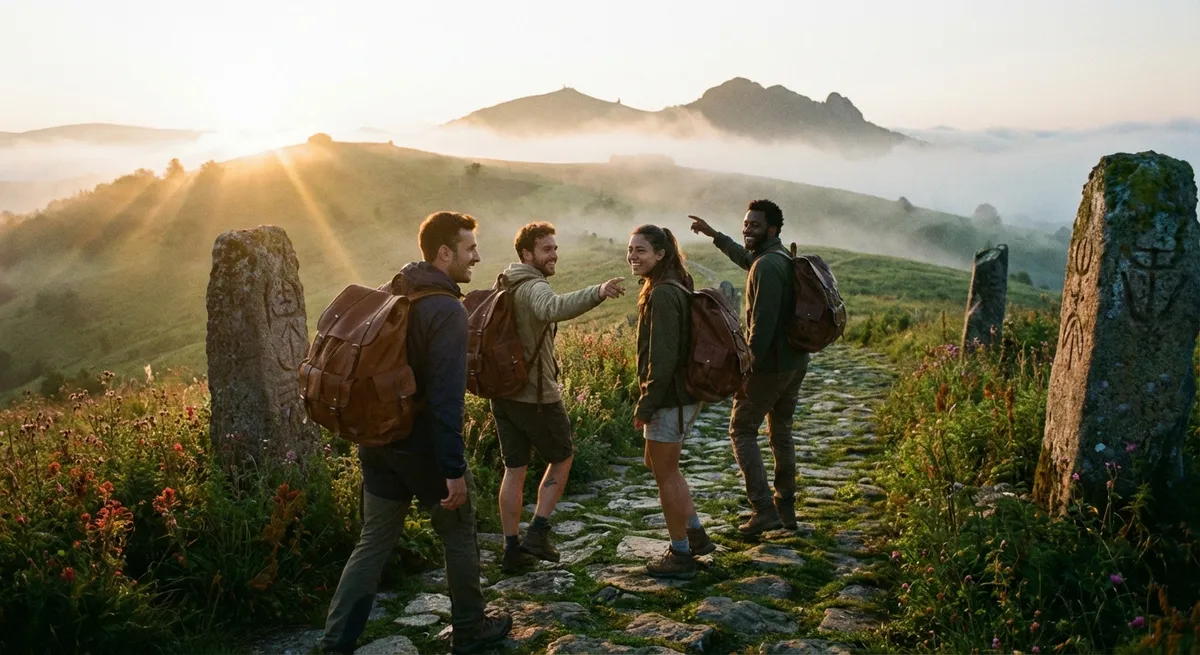
Some trails feel like conveyor belts: crowded parking lots, selfie queues at overlooks, the same photo in every feed. Others feel different—quieter, older, like you’ve stepped into a story that’s been unfolding for centuries. This is where Pinecrest View lives: on the paths that still whisper, that reward curiosity, patience, and a willingness to go just a bit farther than the obvious turnaround point.
This guide isn’t just about where to walk. It’s about how to move through landscapes in a way that turns a casual day hike into a small expedition—complete with hidden detours, smart packing choices, and flexible itineraries that leave room for serendipity.
Reading the Land: How to Choose Trails with Soul
The best story-rich trails aren’t always the longest or the highest; they’re the ones where terrain, history, and atmosphere collide. Before you lace up, think beyond “pretty views.”
Look for routes that thread past more than one feature: a ridge and a river, an overlook and an old ruin, a forest and a meadow. Multi-layer trails give your day a natural rhythm—climb, wander, pause, explore. National park and forest websites often list not just distance and elevation, but also “points of interest”; use these notes as clues for narrative-rich hikes.
Seek out trails that overlay human history: old trading routes, canal towpaths, indigenous travel corridors, or abandoned mining roads. These seldom make the “Top 10 Instagram Spots” lists, but they’re often well-documented in local hiking club guides or regional park maps. A short call to a ranger station or visitor center can uncover paths that rarely appear in mainstream travel blogs.
Watch the contour lines on a map. Trails that roughly follow rivers usually offer softer grades, more water access, and cool microclimates. Ridge or escarpment routes carry sweeping views, tricky weather shifts, and dramatic light—great for photographers who don’t want to fight crowds at famous viewpoints. When in doubt, pick trails with loop or lollipop shapes; you’ll see more terrain and avoid the morale dip that can come with retracing your steps all day.
Above all, consider your own story. Do you want solitude and silence? Look for longer, less-marketed paths, preferably midweek. Want a sense of community and occasional trail banter? Well-known regional favorites at off-peak hours can be perfect. Matching trail character with your internal pace is the difference between a slog and a pilgrimage.
Quiet Alternatives to Overrun Icons
Global travel media has turned certain trails into pilgrimage spots: the same canyon viewpoints, coastal boardwalks, and waterfall circuits appear in endless loops across social feeds. You don’t have to skip these legends entirely—but you can often walk in their shadows without the chaos.
Instead of beelining to a single “famous” viewpoint, look for adjacent trail networks on official park maps. In many mountain regions, the marquee overlook is just one spur off a larger system of ridges, lakes, or forest paths. Hike early, tag the popular spot briefly, then continue onward into the less-trafficked sections where the chatter fades and you hear wind again.
Rail trails, converted canal paths, and forest service roads are often dismissed as “connector routes,” but they’re treasure for hikers who like long, meditative days. These reclaimed corridors often run parallel to marquee highways or valleys, with far less noise and far richer micro-details—old bridges, forgotten orchards, moss-covered foundations.
Coastal areas offer another opportunity to step sideways. Instead of the headline lighthouse or scenic overlook, check for lesser-known access points along the same stretch of cliffs or dunes. Local tourism boards and regional conservation trusts frequently maintain low-profile trailheads that still deliver the same coastline, without the bus tours.
As you explore these alternatives, keep safety and access in focus. Stick to established routes, heed seasonal closures to protect wildlife or prevent erosion, and respect private land boundaries. Your best kept secret is still part of a larger ecosystem; the goal is to step lightly, not claim ownership.
Packing for Discovery, Not Just Distance
Most trail packing lists fixate on survival essentials and performance gear. Necessary, yes—but if you want your hike to feel like a full-bodied journey, pack for curiosity and comfort too.
Start with the fundamentals: layered clothing, traction-appropriate footwear, a headlamp, navigation tools, a small first-aid kit, sun protection, and more food and water than you think you’ll need. These are your ticket home when weather, terrain, or timing shifts.
Then add a few “micro-expedition” items:
- A compact sit pad or ultra-light blanket transforms any viewpoint, riverbank, or clearing into a proper rest stop instead of a quick stand-around moment.
- A small notebook or phone notes app dedicated to trail observations—bird calls, plant types, snippets of conversations, weather shifts—turns your outing into a logbook you’ll actually revisit.
- A tiny pair of binoculars or a lightweight zoom lens reveals details you’d otherwise miss: climbers on a distant face, elk across a valley, the texture of a far-off glacier.
- A thermal bottle with something hot (or cold) elevates a windy summit break into a ritual. Coffee at sunrise, tea at a col overlook, or icy electrolyte water on a scorching ridge: simple, unforgettable.
- A light, packable layer of “civility”—like a buff, tiny towel, and minimalist deodorant—can let you transition from trail to small-town café without feeling feral, making spontaneous post-hike meals more inviting.
Pack organization matters as much as the items themselves. Use color-coded stuff sacks or zip pouches: one for “safety” (first aid, emergency blanket, headlamp), one for “comfort” (extra layer, sit pad, warm drink mix), one for “curiosity” (binoculars, notebook, camera). When weather shifts fast or you encounter something worth lingering over, you won’t be digging blindly in the pack while the moment passes.
Sketching Trail-Centered Itineraries That Actually Breathe
The magic of a hiking-focused trip isn’t found in compressing the maximum number of trails into your schedule—it’s in building your days around one primary hike, with enough slack to follow unplanned threads.
Think in three layers:
- Anchor Trail – The main hike that defines your day: a ridge traverse, canyon loop, forest waterfall circuit, or lakeshore wander. Plan this with realistic timing: your expected pace, plus margin for weather, extended breaks, and photos.
- Side Quests – Short add-ons you can take or leave. A spur to a viewpoint, a detour to a historic site, a creek crossing to a quieter bank. Mark these in advance by studying maps, ranger recommendations, and satellite imagery, but treat them as optional, not obligations.
- Off-Trail Time (in Town or Camp) – Afternoons wandering a nearby small town, visiting a nature center, or simply reading by your tent. The day’s hike will feel bigger and richer if it’s followed by intentional slowness, not just logistics.
When planning multi-day hikes or back-to-back trail days, alternate intensity: a tougher, longer route followed by a gentler half-day path; a rocky ascent balanced by a shady riverside walk. Your legs and enthusiasm will last much longer than if every day is a summit assault.
Work with the light, not against it. Pre-dawn starts for higher or more exposed trails can help you avoid both crowds and afternoon storms; in forested or canyon terrain, late-morning departures may be ideal when temperatures at night are frigid. Use sunrise/sunset times as structural pillars when building each day’s rhythm.
Finally, keep a “Plan B” trail in your back pocket: a lower-elevation, more sheltered, or shorter route you can pivot to if storms roll in, wildfire smoke drifts over, or your energy dips. Flexibility is not a backup; it’s a core feature of a well-designed hiking itinerary.
Hidden Gems: Trail Archetypes to Hunt for Anywhere
Rather than chasing specific “secret” destinations that won’t stay secret for long, look for archetypes—patterns of trails that exist in many regions, waiting just beyond the usual search results.
- Overlooked Watershed Trails: Footpaths that follow the smaller tributaries feeding bigger, better-known rivers. These routes often offer waterfalls, swimming holes, and lush vegetation with far fewer people. Study watershed maps on park or forest websites to find them.
- Borderline Paths: Trails that run along the edges of parks, national forests, or protected areas. They may technically sit just outside famous boundaries, but they share the same geology, wildlife, and views. Often, they’re managed by regional or county agencies instead of national ones, and thus get less global attention.
- Forest Roads That End in Footpaths: Many gravel or dirt access roads cap off at short but spectacular hiking routes: fire lookouts, meadows, or old homesteads. Check topographic maps for dead-end roads abutting contour lines, then confirm access rules and conditions with the managing agency before you go.
- Community and Conservancy Trails: Land trusts, local conservation groups, and university field stations frequently maintain trail networks that aren’t widely publicized outside the region. Their websites and trailhead kiosks are gold mines for quiet loops, birding walks, and scenic overlooks used mostly by locals.
- Shoulder-Season Routes: Trails that are “too hot” in mid-summer or “too muddy” right after snowmelt are often spectacular in shoulder seasons. Look for mid-elevation paths, south-facing slopes (safer earlier in spring snow country), or open ridges that dry quickly. Local ranger forecast pages and recent trip reports can help you pick your window.
In each case, ethical exploration matters. Stay on established treads, avoid geotagging sensitive or under-pressure locations on social media, and follow local guidelines for wildlife, campfires, and group size. The best way to keep a hidden gem wild is to move through it like you’re a guest—because you are.
Hiking as Ongoing Conversation
The more trails you walk, the more you realize that hiking is less about conquest and more about conversation—with weather, with terrain, with your own limits and curiosity. Some days the landscape whispers; other days it howls. Either way, the dialogue deepens each time you return with fresh eyes and a slightly better-packed pack.
Let your routes evolve as you do. A trail that was once a grueling challenge might become a casual warm-up loop; a quiet forest path you dismissed early on might later feel like exactly the stillness you’ve been craving. Keep notes, adjust your gear, and build seasonal rituals around certain routes: the first snow hike of the year, the annual spring wildflower loop, the late-summer river walk.
Most importantly, leave room for the unscripted: the storm that forces you to turn back, the conversation with a stranger who recommends a new route, the unplanned hour spent watching light move across a cliff face. These are the moments that transform a hike from a checklist item into part of your personal mythology.
Step onto the next trail not as a consumer of views, but as a temporary participant in an ongoing story. The path has been here longer than you—and if you move well, it’ll welcome you back, season after season.
Sources
- National Park Service – Hiking Basics - Official guidance on planning, safety, and best practices for hiking in U.S. national parks
- U.S. Forest Service – Know Before You Go - Practical information on conditions, regulations, and responsible use of national forest trails
- American Hiking Society – Hiking Resources - Tips on gear, trail etiquette, and planning for both day hikes and multi-day trips
- Leave No Trace Center for Outdoor Ethics - The seven core principles for minimizing your impact on trails and natural areas
- Appalachian Mountain Club – Trip Planning & Skills - Detailed advice on route selection, packing, and backcountry preparedness for a variety of terrains