
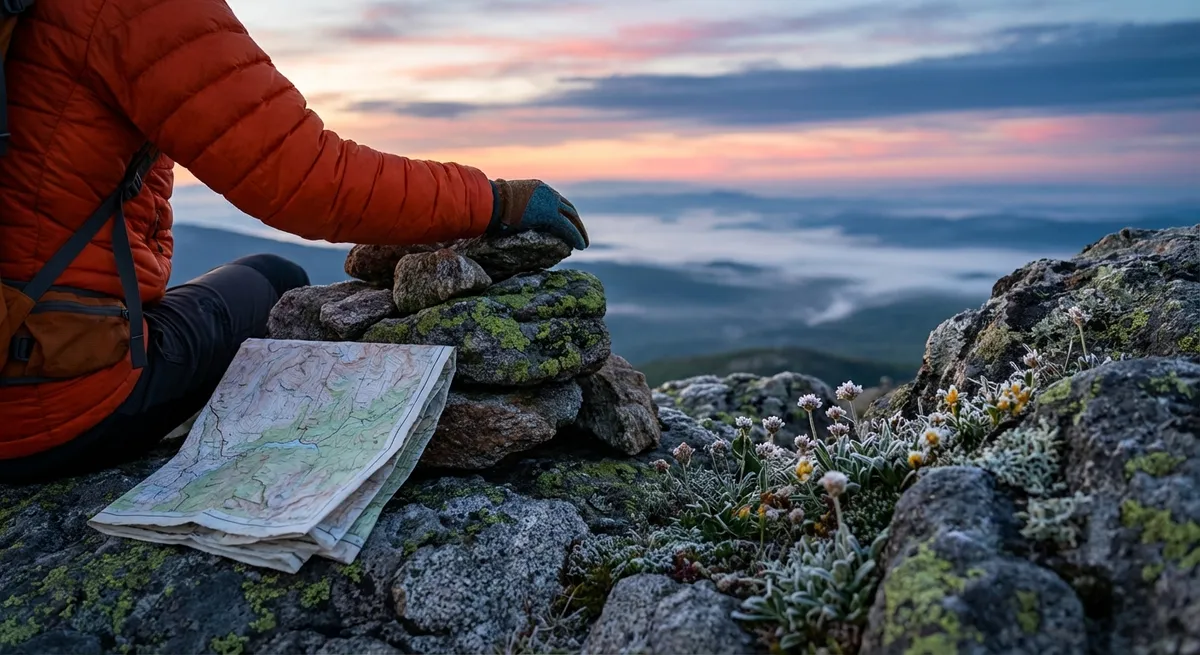
Some trails are printed on maps. The best ones you remember by the way they felt: the crunch of pine needles under your boots, the sudden break in the trees that reveals a horizon on fire with sunset, the quiet stream that wasn’t on any app. This is your guide to building those kinds of days—whether you’re taking your first real hike or plotting your next weekend escape worthy of a story.
We’ll stitch together hidden-gem trail ideas, smart packing strategies, and flexible itineraries so you can step onto the path with confidence—and a little bit of wild curiosity.
Reading the Landscape: How to Find Trails Worth Remembering
The difference between an “okay” hike and an unforgettable one usually starts before you lace up your boots.
Skip the obvious “top 10” lists for your area and start by looking at terrain and features instead: lakeside loops, ridge walks, canyon scrambles, or forested climbs. Decide what kind of day you want—quiet and meditative, leg-burning and epic, or a little bit of both—and then hunt for trails that match the mood.
Online tools like AllTrails, Gaia GPS, and local park websites are great, but don’t overlook old-school resources. Ranger stations, small-town outdoor shops, and trailhead kiosks often reveal under-the-radar routes locals love but bloggers haven’t blasted all over the internet yet. Ask for “less crowded” alternatives to the big-name hike nearby; rangers know exactly which canyon or ridge offers similar views without the human traffic jam.
Pay close attention to elevation gain and not just mileage. A 4-mile loop with 1,500 feet of gain can feel harder than a flat 8-mile river walk. Look at contour lines on maps—tight lines mean steep, spaced lines mean gentler grades. Check recent trip reports for water levels, downed trees, seasonal closures, and snow or heat conditions.
Your goal: build a short list of 2–3 options in the same general area. Conditions change fast, so having backup trails turns a potential disappointment into a smooth pivot instead of a ruined day.
Hidden-Gem Trail Archetypes (And How to Track Them Down)
Every region has its “secret” spots, but they often share a few patterns. Instead of chasing exact trail names, learn these archetypes and you can find hidden gems almost anywhere:
1. The Forgotten Connector
These are routes that link two popular areas, but almost nobody hikes them as the main event. They tend to be quieter and surprisingly scenic.
- Look for: small “connector,” “cutoff,” or “link” lines on park maps
- Ask for: “Is there a lesser-used way to get between these two viewpoints or trailheads?”
- Why it’s special: you get the landscapes everyone posts on social media, without the crowds in between
2. The Old Forest Road with a View
Decommissioned logging or service roads can turn into soft, mossy paths framed by ferns and second-growth forest. They rarely trend on Instagram—but they’re perfect for long, meditative hikes.
- Look for: dotted or dashed lines labeled “old road,” “jeep track,” or “service road”
- Check: satellite view for clearings or viewpoints along the way
- Why it’s special: gentle grades, big-sky breaks, and often good chances for wildlife sightings
3. The Short Scramble to a Ridgeline
Instead of the mega-famous summit, find a nearby ridge that shares the same skyline for a fraction of the effort.
- Look for: spur trails angling off major routes toward a bump or saddle on the topo map
- Ask locals: “Is there a less busy viewpoint with a similar outlook?”
- Why it’s special: sunset or sunrise with no one else around
4. The Riverbank Ramble
When mountains are socked in with storms or snow, river trails are often still open and beautiful.
- Look for: greenbelt paths, riparian preserves, or “nature corridors” on city or county maps
- Check: flood conditions and restrictions in spring
- Why it’s special: steady sound of water, lush vegetation, and usually more wildlife than high-traffic mountain trails
Once you identify a few promising candidates, plug them into your mapping app and download offline maps. Cell service tends to disappear exactly where the views get good.
Pack Like a Trail Nomad: Light, Safe, and Ready for Detours
Packing for a hike is a balancing act between freedom and preparedness: you want to feel light, but you can’t negotiate with weather, injury, or darkness. Aim for a small-but-capable kit you can throw together in minutes.
Core essentials that belong on almost every trail:
- Navigation: phone with offline maps + a paper map or screenshot backup; a small compass if you wander off marked routes
- Hydration: at least 0.5–1 liter per hour of hiking, plus a bit more in heat or high altitude; a compact water filter or purification tablets if traveling near streams
- Weather armor: a packable rain shell, insulating layer (even in summer—mountain weather flips fast), sun hat, and lightweight gloves or buff in shoulder seasons
- Food that moves well: energy-dense snacks—nuts, jerky, tortillas with nut butter, dried fruit, and one “morale booster” (chocolate, gummy bears, or something that makes you instantly happier)
- Light: a tiny headlamp or flashlight with fresh batteries, even for day hikes—you never plan to stay late until you do
- First aid basics: blister care (Leukotape or moleskin), bandages, antiseptic wipes, pain reliever, and any personal meds
- Emergency basics: whistle, emergency blanket, and a small knife or multitool
Pack them in a 15–25 liter daypack with a hip belt if you’re going longer than a couple of hours. Keep the heaviest items (water, dense food) close to your back and centered to stay balanced on rocky or rooty terrain.
Finally, dress for shifting conditions: moisture-wicking base layers, wool or synthetic socks, and broken-in footwear with actual tread. Avoid cotton—it soaks, chills, and blisters.
Building a Trail Day Itinerary That Actually Breathes
Rigid itineraries break the moment something magical—or inconvenient—happens. Instead, think in layers: framework, checkpoints, and flex zones.
1. Framework: The Skeleton of Your Day
- Start time: aim to be moving 30–60 minutes after sunrise for cooler temps, emptier trailheads, and better wildlife chances
- Trail choice: pick one primary route and one backup within a 30–45 minute drive
- Turnaround time: choose a firm time to head back, no matter where you are, to avoid hiking out in the dark
2. Checkpoints: Reality Checks Along the Way
Before you leave the trailhead, note:
- Total distance and elevation gain
- Estimated moving time, then add 25–35% for breaks, photos, and navigation
- Natural checkpoints: a waterfall, saddle, lake, or junction where you’ll pause to reassess energy, weather, and time
At each checkpoint, ask: “If we turn around now, will we be back before our turnaround time with at least an hour of daylight to spare?” Pride has no place in backcountry decision-making.
3. Flex Zones: Built-In Adventure Windows
Leave space in your plan for surprise detours: a side path to a viewpoint, an unplanned swim in an alpine lake, or a longer break in a sunny meadow. Protect this time by keeping your driving and post-hike commitments loose.
A sample flexible hiking day might feel like this:
- Early start, breakfast at the trailhead
- Mid-morning viewpoint snack, decide whether to push for the next ridge or linger
- Long lunch break at a lake or creek with boots off and maybe a quick cold plunge
- Leisurely descent with time for photo stops, wildflower watching, or trying a different route back
- Late-afternoon stop in the nearest small town for a reward meal
You’re not racing the clock; you’re widening the day.
Trail Etiquette and Safety: How to Be a Good Ghost on the Landscape
The best trail magic is simple: leave no trace of yourself except maybe a smile in someone else’s memory.
Follow Leave No Trace principles: pack out every scrap of trash (including fruit peels), stay on established paths to protect fragile soil and plant life, and admire wildlife from a respectful distance. Yield to uphill hikers, step aside carefully for faster trail runners, and keep noise levels low—nature is the main event.
Before you go, leave a simple trip plan with a friend or family member: where you’re hiking, which trailhead you’re using, when you expect to be back, and who to call if you don’t check in. In remote areas, consider a satellite messenger or beacon.
Keep an eye on weather forecasts and fire danger levels—thunderstorms build quickly in mountains, and dry landscapes can turn dangerous with a single spark. Learn the basics of heat illness, hypothermia, and altitude sickness before you tackle more serious terrain.
You’re not just passing through these places; you’re sharing them—briefly—with every plant, animal, and person out there that day.
Conclusion
Trail days don’t need to be epic to be unforgettable. A quiet forest loop where dappled light spills across the path, an unexpected ridge view you found by tracing contour lines on a map, a river walk that turned into a spontaneous barefoot wade—these are the kinds of stories that cling to you long after your boots are off.
Choose the terrain that matches your mood, pack with intention, leave room in your plans for detours, and treat every trail like it’s someone’s cherished backyard. Do that consistently, and you’ll find yourself lost in the right direction over and over again—each hike a new chapter in a life that spends a little more time outside and a little less time scrolling.
Sources
- National Park Service – Plan Your Visit - Official guidance on planning safe, enjoyable visits to U.S. national parks, including hiking tips and regulations
- Leave No Trace Center for Outdoor Ethics - Details the seven Leave No Trace principles that underpin responsible hiking and backcountry travel
- American Hiking Society – Hiking 101 - Introductory information on gear, safety, and trail etiquette for hikers of all levels
- REI Co-op – Expert Advice: Day Hiking Checklist - Comprehensive checklist for day-hike essentials, packing tips, and clothing recommendations
- U.S. Forest Service – Know Before You Go - Government resource on conditions, safety, and responsible recreation on public lands