
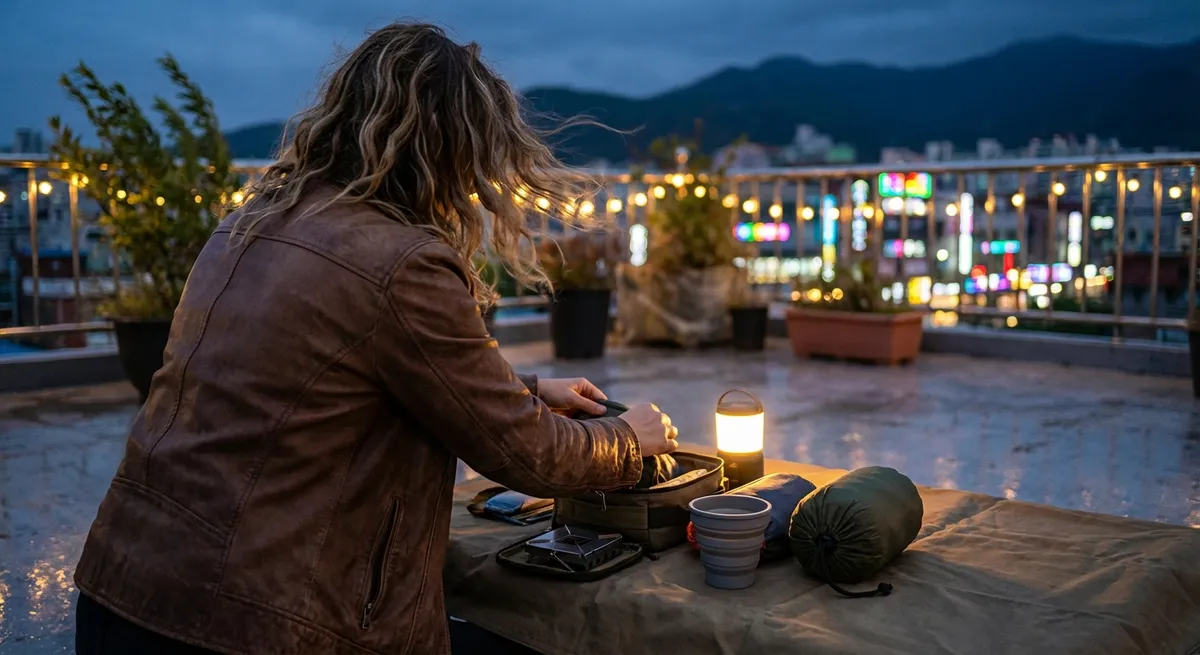
When your weekends swing wildly between pine-scented cabins, downtown food stalls, misty trail overlooks, and spur‑of‑the‑moment road trips, “one-size-fits-all” packing falls apart fast. The real magic is a travel kit that shifts with you—a core setup that can handle dawn hikes, rainy bus stations, rooftop sunsets, and red‑eye flights without exploding into chaos. This guide is your blueprint for building a lean, adaptable kit that feels as ready for national parks as it does for night markets.
Building a Shape‑Shifting Core Kit
Think of your gear as a spine, not a suitcase: a tight core of items that work almost anywhere, then small add‑ons for the specific adventure. At the center is your carry system—usually a 25–35L backpack that can stroll through an old town one day and shoulder a short trail the next. Look for something with a clean exterior (to blend in on city streets), a breathable back panel (for sweaty climbs), and at least one quick‑access pocket for passports, snacks, or a compact camera.
Inside, organize your life into modules: a “sleep & comfort” pouch, a “trail & weather” pouch, and a “tech & documents” pouch. This lets you pivot your setup fast: toss the trail module into your daypack for a ridge walk, or leave it in the cabin when you’re heading to a city café. A light, packable tote or sling gives you an instant grocery run bag, beach bag, or city‑wandering companion without hauling your full pack everywhere. As your plans expand—from lakeside cabins to rooftop bars—you’re not starting from scratch; you’re simply swapping modules in and out of a dependable core.
Clothes That Survive Chalk Dust, Rain Mist, and Street Food Splashes
Your wardrobe should feel as at home under string lights at a street market as it does on a foggy overlook. Focus on versatile fabrics: merino or technical synthetics for base layers that dry fast and resist odors, plus a quick‑dry woven shirt or dress that can go from “trail casual” to “restaurant presentable” with a sleeve roll and a change of footwear. Neutral colors—earth tones, navy, charcoal—mix more easily and attract less attention than neon, especially in smaller towns.
A lightweight synthetic or down‑alternative midlayer is your lifeline when weather swings: it packs small but fills the space between cool cabin mornings and breezy night walks. Add a packable waterproof shell—the kind that squashes into its own pocket—and you’ll be ready for mountain drizzle, sea spray, or an unexpected storm over cobblestones. For bottoms, one pair of durable, slightly stretchy pants and a lighter pair of travel or trail shorts (or a skort) are usually enough for a week or more. If your itinerary includes both countryside rambles and city nightlife, one simple “upgrade” piece—a black dress, crisp shirt, or polished travel trousers—can transform the rest of your kit without adding much weight.
Footwear That Keeps Up With Trails, Side Streets, and Station Sprints
Footwear can make or break a trip, especially when your days swing from trail switchbacks to urban staircases. Start with a pair of hybrid shoes: lightweight hikers or trail‑to‑town sneakers with real tread and decent cushioning. These should be broken in long before you leave; wear them on local walks, commutes, or grocery runs until they feel invisible. If your trip leans heavily toward cities, a low‑profile travel sneaker or approach‑style shoe can provide grip on wet stone streets while still passing in a café.
Your second pair should be small and specialized. For lakeside cabins and hostel hallways, pack compact sandals or slides that dry quickly and can handle a muddy path to the dock or showers. If your travels lean warm and urban, a comfortable, supportive sandal that still looks decent with nicer clothes can become your evening go‑to. Always pair your footwear plan with good socks: technical or merino socks in a few weights manage moisture, cushion long days, and dry quickly on a radiator, bus dash, or cabin rail. A simple habit—washing one pair each night—keeps your rotation fresh without overpacking.
Tiny Workhorses: The Small Gear That Quietly Transforms Trips
The gear you’ll rave about months later is often the smallest. A compact headlamp beats your phone flashlight on dark campground paths, pre‑dawn trailheads, or power‑cut hostels. A lightweight microfiber towel turns river dips, hostel showers, and surprise rain showers into non‑events; it also doubles as a makeshift pillow cover in questionable guesthouses. Pack a flat, roll‑top dry bag or two to keep electronics and spare layers safe on boat rides, rainy hikes, or dusty bus rides—bonus: they compress clothes like a packing cube when the weather is calm.
A slim power bank with at least one fast‑charge port is essential if you navigate with your phone or shoot lots of photos. Pair it with a compact multi‑port charger and a universal adapter for international trips so you’re not playing outlet roulette or hogging hostel plugs. A tiny repair kit—a few safety pins, a length of duct tape wrapped around your water bottle, a sewing needle and strong thread—has saved more jackets, straps, and hems than most people care to admit. These items weigh almost nothing, vanish into your pack, and show up like quiet heroes when plans take a sideways turn.
Hidden Gear Gems for Cabins, Corners, and Quiet Roads
Beyond the obvious, a few low‑profile items unlock whole layers of travel. A lightweight, packable blanket or travel sheet turns rough bus seats into nap zones, adds warmth on chilly cabin nights, and becomes an instant picnic base at lakesides or rooftop viewpoints. A small, collapsible mug lets you share cabin coffee, accept trail tea from new friends, or sip soup from roadside stalls without relying on single‑use cups. Paired with a compact water filter or purification tablets, you’re able to refill from camp taps, village fountains (where safe and permitted), and lodge sinks, cutting both plastic waste and awkward late‑night water hunts.
Noise‑shaping gear is underrated. Reusable earplugs and a sleep mask turn bright cabins, echoing dorms, or city‑side rooms into something approaching a dark, quiet den. For travelers who work on the road, a simple laptop stand and foldable Bluetooth keyboard can turn any flat surface—cabin table, hostel common room, shaded picnic bench—into a semi‑ergonomic workstation. These are the difference between “tolerable” and “actually comfortable” when your adventure stretches beyond a long weekend.
Packing Around Itineraries: Mountain Cabins and Street Market Nights
Your gear only shines when it matches how you move through the world, so plan your kit around actual days, not vague ideas. Imagine a long weekend where you spend Friday night driving to a cabin, Saturday split between a lakeside walk and a nearby town, and Sunday morning on a short trail before heading home. For this, your “trail & weather” module should handle sunrise walks (shell, midlayer, headlamp, filtered water), while your “town” setup might add a neater shirt, compact tote, and smaller cross‑body sling for wandering cafés or harbors. One small packing cube for “clean and presentable” outfits and one for “trail and cabin” clothes keeps muddy gear from bleeding into dinner plans.
Now picture a week that blends a regional train journey, a couple of national park days, and a final stop in a small coastal or riverside town. Here, your core kit stays the same, but you might add a slightly larger dry bag for beach or boat days, plus an extra set of lightweight clothes that can double as hiking or swim cover‑ups. Your “tech & documents” pouch should be train‑ready: ticket printouts or QR codes, offline map downloads, emergency contacts, and a small notebook for place names locals recommend. By envisioning specific days—ferry mornings, trail afternoons, city nights—you’ll naturally trim anything that doesn’t earn its place in that daily story.
Conclusion
Gear doesn’t need to be flashy to be powerful; it just has to keep up when your life swings from pinecrest ridgelines to back‑alley bistros and misty cabin porches. Build around a flexible core, add small but mighty accessories, and pack with real days in mind instead of abstract “maybe” scenarios. The result is a kit that feels light on your shoulders, heavy on capability, and endlessly ready for the next curve in the road—whether that’s a flooded trail, a surprise train detour, or an invitation to watch the sunset from a local’s favorite rooftop.
Sources
- REI Co‑op: How to Choose a Travel Backpack - Detailed guidance on pack sizes, fits, and features useful for hybrid city–trail travel.
- CDC Travelers’ Health - Official recommendations on smart packing, health items, and travel preparedness.
- Leave No Trace Center for Outdoor Ethics - Explains the principles that should guide gear choices and behavior in wild places.
- Harvard T.H. Chan School of Public Health – Footwear and Walking - Background on choosing supportive footwear for long days on your feet.
- National Park Service Trip Planning Essentials - Practical considerations for planning mixed‑itinerary trips that include U.S. national parks.