
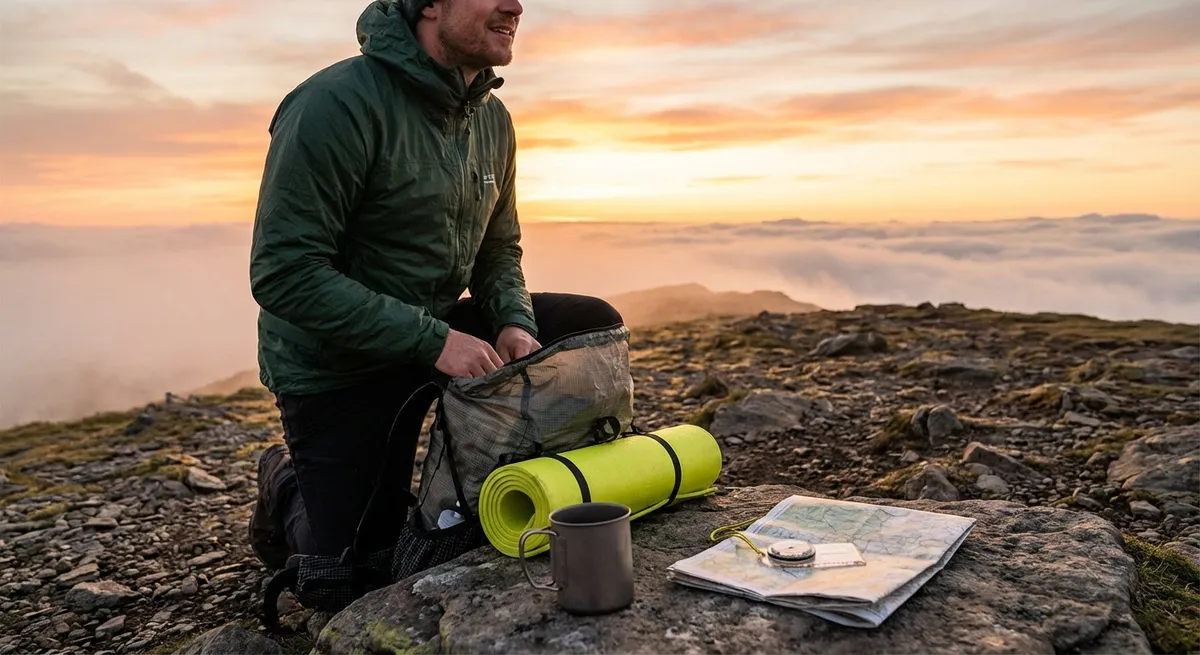
There’s a moment—right as you zip your pack for the last time—when the trip becomes real. The weight on your shoulders, the clink of a metal mug, the soft rattle of zippers and straps; your gear is more than stuff, it’s your passport to wild ridgelines, misty coastal trails, and hidden alleyways in cities you haven’t met yet. At Pinecrest View, we believe the right travel gear doesn’t just make you comfortable; it expands how far you can go, what you can do, and how boldly you explore.
This guide is your trail map to smart, adventure-ready travel gear—with hidden-gem recommendations, lean packing strategies, and itinerary ideas that blend cities, trails, and everything in between.
Build a Versatile Base Kit (That Works From City Streets to Summit Ridges)
Think of your travel gear as a modular system, not a random pile. The goal: a “base kit” you can use on a rainy skyline walk, a red-rock canyon hike, or a last-minute overnight train.
Start with a 30–40L carry-on backpack or duffel. For most trips up to 2–3 weeks (and longer if you pack smart), that’s enough space. Look for a clamshell opening (like a suitcase), internal compression straps, and at least one weather-resistant exterior pocket. A pack in this size range forces you to edit, which is exactly what you want.
Next, build your clothing system around layering. A simple, effective combo:
- Lightweight, moisture-wicking base layer (merino wool or synthetic)
- Midlayer: a thin fleece or light synthetic puffy
- Shell: a packable waterproof jacket with taped seams and a hood
Make everything cross-over friendly. Hiking pants that look like slim chinos, trail shoes that pass as urban sneakers, and a neutral color palette so all your tops and bottoms mix freely. This is the gear equivalent of speaking multiple languages: you blend in from café to cliffside.
Finally, invest in a solid everyday-carry (EDC) setup: a small crossbody sling or 10–15L daypack, a refillable water bottle, and a compact headlamp. These three items unlock sunrise hikes, late-night street food runs, and unplanned detours without hauling your whole life on your back.
Hidden-Gem Gear You’ll Actually Use (Not Just Haul Around)
Every traveler has a drawer of “almost” gear—things that seemed clever, but never made the pack again. To avoid that, focus on compact tools that solve specific problems.
Some quiet MVPs worth packing:
- Ultralight packable tote or daypack: Collapses to fist-size, expands for market runs, beach days, or a spontaneous grocery haul before a night train.
- Travel clothesline + a few clothespins: Weighs almost nothing and turns any balcony, hostel bunk, or rental bathroom into a laundry room. This single combo can halve how many shirts and socks you pack.
- Filtered water bottle or compact purifier: Lets you refill from taps and natural sources where safe to do so, cuts plastic waste, and saves money—especially in hot climates or on long treks.
- Mini repair kit: A few safety pins, a needle and thread, a couple adhesive patches for down jackets or sleeping pads, and a short strip of duct tape wrapped around a pen or bottle. A single repair can save a trip.
- Silicone travel containers & a solid toiletries kit: Decant liquids into leakproof travel bottles and consider solid shampoo/soap bars to reduce spills and weight. A tiny hanging organizer can turn chaotic bathrooms into orderly basecamps.
Resist gimmicks. If a piece of gear doesn’t clearly solve a recurring problem—wet socks, dirty water, staying organized, or staying warm—it probably belongs in that “almost” drawer, not on your back.
Pack Like a Pro: Systems, Not Stuff
The difference between a chaotic, overstuffed bag and a dialed-in adventure kit is organization. Aim to be able to find any item in under 10 seconds, even in a dark hostel room or a rainy trailhead parking lot.
A practical packing system:
- Packing cubes: One for tops, one for bottoms, one for underwear/socks. Choose different colors so you can grab what you need visually.
- Dedicated “go bag”: A small pouch for passport, cards, cash, and key documents. This lives in the same pocket of your pack every single time. When you change accommodations or hop on a new train, you check: “Go bag? Phone? Water? Headlamp?”
- Weather segmenting: Put rain gear and a warm layer at the top of your pack or in outer pockets. If a storm hits or temperatures drop, you don’t want to go on an archaeological dig through your bag.
- The 1–2–3 Clothing Rule (per week of travel):
- 1 set of sleep clothes
- 2 pairs of pants/shorts and 2–3 pairs of shoes (including your heaviest on your feet)
- 3–5 tops, 3–5 pairs of socks, 3–5 sets of underwear
With sink laundry and quick-dry fabrics, this is enough for most trips. Repacking your bag each morning into the same layout also creates a mental map—you’ll instinctively know where your headlamp is when the lights go out.
Itinerary-Ready Gear: Matching What You Pack to Where You’re Going
Gear is only “right” in context. A minimalist urban setup might fail on a windy ridge, and hardcore mountain gear can be overkill for a weekend city break. Start with your likely daily rhythm, then pack to support that.
Here are a few sample itineraries and the gear that unlocks them:
1. City, Coast, and Day Hikes in a New Country
You’re splitting time between a historic city center, nearby coastal paths, and a national park.
Pack priorities:
- Shoes: One pair of waterproof, breathable trail-to-town shoes and one lighter pair (sandals or slip-ons) for evenings and beach days.
- Daypack: 15–20L with a hip belt you can tuck away. Big enough for layers, snacks, and a camera; small enough for museums and transit.
- Lightweight sun protection: Packable wide-brim hat, sunglasses, and a thin long-sleeve for high UV days.
- Offline-ready navigation: Your phone (with offline maps downloaded) in a weather-resistant case, and optionally a simple compass. Not gear-heavy, but mindset-heavy: assume you’ll lose service just as the view gets best.
Itinerary tip: Build “anchor activities” (a coastal hike, a local food market, a sunrise viewpoint) and leave unscheduled hours in between. Your gear’s job is to make those in-between hours easy to fill with curiosity, not logistics.
2. Mountain Town Basecamp with Hut-to-Hut Options
You’re staying in a mountain town with the option of 1–3 night hut trips or backcountry cabins.
Pack priorities:
- Weather-flexible layers: Lightweight puffy jacket, shell, warm hat, and gloves, even in summer. Mountain weather changes fast.
- Sleep system add-ons: Even if huts provide bedding, a lightweight sleeping bag liner adds warmth and hygiene.
- Poles and microspikes (season-specific): Collapsible trekking poles and microspikes can turn sketchy shoulder-season trails into manageable adventures.
- Compact first-aid and blister kit: Include bandages, pain relievers, and dedicated blister care. Foot comfort is an “itinerary enabler.”
Itinerary tip: Pick one “stretch” day—slightly longer or harder—and one “easy wander” day exploring local paths, lakes, and viewpoints. Your gear should let you pivot as the weather and your legs dictate.
3. Desert or Tropical Expedition with Urban Bookends
You’re flying into a major city, then heading to hot, exposed environments before looping back.
Pack priorities:
- Breathable fabrics: Loose, light-colored clothing that protects from sun while ventilating well.
- Sun and heat management: Electrolyte packets, high-SPF reef-safe sunscreen, and a buff or bandana that can be soaked in water and worn around your neck.
- Dust and sand defense: Zip-top bags or dry sacks for electronics and documents, plus a small brush or cloth to keep zippers and camera lenses clean.
- Ultralight shelter options: A compact sun umbrella or small tarp can be a lifesaver on exposed hikes or beaches without shade.
Itinerary tip: Plan your days around light and heat—in early starts, long lunch breaks, and golden-hour explorations. Your gear should help you move quietly and safely through the hottest hours.
Hidden Destination Gems That Reward Smart Gear Choices
When your gear is dialed in, whole categories of hidden gems suddenly feel accessible instead of intimidating.
A few examples:
- Secondary national or regional parks near major tourist hubs: Less crowded than headline parks, often just as stunning. Having your own layers, navigation, and a small picnic kit makes day trips easy without tours.
- Urban wild edges: River paths, hillside parks, and ridge trails at the edge of cities like Lisbon, Vancouver, or Cape Town. Trail-ready shoes and a daypack turn a “city trip” into a hybrid adventure.
- Overnight trains and ferries: A sleep mask, earplugs, and a packable travel pillow transform basic transit into a surprisingly restful night and open up long-distance hops without losing a day.
- Local food markets and small town festivals: A lightweight tote, cutlery set, and a small dry bag for “smelly” items (cheeses, cured meats, or seafood) let you shop like a local and build impromptu lakeside or trailhead feasts.
Look for places just one step removed from the obvious: the lesser-known canyon two stops past the famous one, the hillside village above the main resort, the lakeside trail that loops a popular lookout but continues through quiet forests. Your gear’s job is to make the “almosts” feel easy to say yes to.
Outdoor Safety and Comfort: The Gear that Quietly Has Your Back
Adventure feels better when you’re prepared. You don’t need an expedition loadout, but a core safety and comfort kit is non-negotiable.
Consider packing:
- Compact first-aid kit: Customize with any personal medications and familiar brands. Include blister care, bandages, antiseptic wipes, and pain relief.
- Headlamp or small flashlight: Hands-free light for sunrise starts, power outages, and late returns.
- Emergency layer: A space blanket or ultralight emergency bivy if you’re venturing into remote areas.
- Basic hygiene kit: Hand sanitizer, a small pack of tissues, and a quick-dry travel towel. These items punch above their weight when conditions get rough or facilities are limited.
- Portable power: A reliable power bank with enough capacity for at least one full phone charge, plus a universal adapter if you’re crossing borders.
Beyond gear, the most important “safety system” is information: check local weather, trail conditions, park advisories, and transport updates. Your tech—phone, apps, downloaded maps—turns into a key piece of gear when paired with up-to-date local knowledge.
Conclusion
The best travel gear doesn’t shout; it quietly expands your world. It lets you say yes to that unexpected ridge trail above town, the last-minute boat ride to a nearby island, or the overnight train that stitches two countries together while you sleep. When your pack is light but capable, your itinerary becomes a living thing—responsive to weather, local tips, and your own curiosity.
For Pinecrest View travelers, that’s the goal: gear that turns “maybe someday” into “why not today?” Pack thoughtfully, build flexible systems, and let your kit be the backstage crew to the main act—your journey.
Sources
- REI Co-op: Expert Advice on How to Pack a Backpack - Practical guidance on organizing and balancing pack weight for comfort and safety
- U.S. National Park Service – Trip Planning and Safety Tips - Official recommendations on preparation, safety, and gear for visiting parks and outdoor areas
- CDC Travelers’ Health - Up-to-date health, safety, and packing considerations for international travel
- Leave No Trace Center for Outdoor Ethics - Principles for traveling and camping responsibly with gear choices that minimize impact
- Backpacker Magazine Gear Guides - In-depth reviews and comparisons of travel and outdoor equipment for different environments and skill levels