
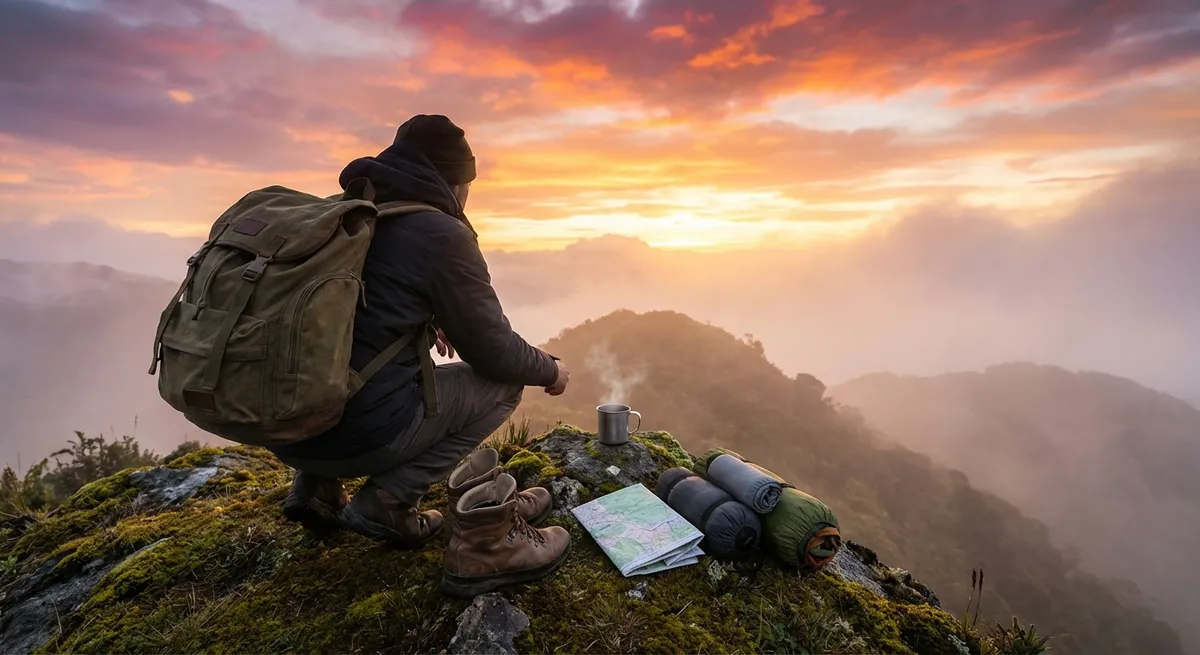
There’s a moment—right after you zip your bag shut—when the whole world feels crackling and possible. Whether you’re chasing alpine sunrises, weaving through old-world alleyways, or road-tripping to a hidden canyon, the gear you bring can make the difference between effortless adventure and exhausting chaos. This guide is your trail-tested blueprint: a lean, versatile travel kit, practical packing strategies, and a handful of under-the-radar destinations that shine when you’re prepared to explore beyond the obvious.
Build Your “Core Kit”: Gear That Works Everywhere
Think of your travel gear as a modular system, not a heaping pile. Your “core kit” should handle 80–90% of trips—weekend escapes, city breaks, light treks—without needing an overhaul.
Focus on these essentials:
- The right backpack or carry-on: Aim for a 35–45L backpack or a 40L carry-on suitcase with internal compression straps. Look for a clamshell opening (like a suitcase) so you can quickly see everything—no more digging through a top-loader in hostel dorms or parking lots.
- Layered clothing, not bulky clothing: A lightweight base layer, a mid-layer (like a fleece or light puffy), and a wind/rain shell give you mountain-morning warmth and city-evening style in one setup. Prioritize quick-dry fabrics and neutral colors that mix and match.
- Footwear built for detours: One pair of lightweight, supportive travel shoes (trail runners work brilliantly for city plus light hikes) and, if needed, compact sandals. Ask yourself: Would I be okay walking 10 miles in these? If not, they don’t come.
- Micro-adventure kit: A packable daypack, compact headlamp, and a thin buff or bandana open up sunrise hikes, late-night walks, and impromptu detours without adding much weight.
- Universal power & connectivity tools: A world travel adapter, a 10,000–20,000 mAh power bank, and a short multi-USB cable keep your phone, camera, and headlamp alive when outlets are scarce.
Once you dial this core kit in, every new trip becomes a small tweak—add a swimsuit and snorkel mask for islands, microspikes for shoulder-season mountains, or a city-appropriate outfit for fine dining—rather than a complete repack from scratch.
Pack Like a Pro: Systems, Not Chaos
A minimalist kit doesn’t come from ruthless sacrifice; it comes from smart systems.
Here’s how to pack so you can find everything in seconds:
Use packing cubes with a purpose
- Cube 1: Tops - Cube 2: Bottoms & sleepwear - Cube 3: Underwear & socks - Small pouch: Cables, chargers, and adapter - Flat kit: Toiletries in a transparent, TSA-ready bag
Label or color-code them. When a late-night train gets delayed and you’re raiding your bag on a station bench, you’ll be grateful.
The rule of 3 for clothing
Pack three of each “daily” item (underwear, socks, shirts) and plan to wash on the road. This rule works shockingly well for trips from 4 days to 4 weeks. Toss in a tiny bottle of concentrated soap or a laundry sheet and a sink stopper.
Roll + compress strategically
Soft items you rarely need (spare jacket, backup pants) go at the bottom. Daily-use items (toiletries, a light layer, tech pouch) go near the top or in external pockets. Keep snacks and water handy—you don’t want to excavate every time you’re hungry.
Keep a “grab-and-run” kit
In a small pouch or ziplock, stash your passport, key cards, a backup credit card, some cash in local currency, a pen, and a slip of paper with your accommodation address. If you need to sprint for a bus, or briefly leave your bag, this is your lifeline.
Limit “just in case” items to one quart-size bag
That’s your cap for bandages, spare cables, small tools, and miscellaneous extras. If it doesn’t fit, it doesn’t go—this keeps you honest and light.
Hidden Gem Destinations That Reward Smart Packing
Some places shine brightest when you’re nimble, curious, and prepared to stray from the main route. Smart gear frees you to say “yes” when those chances appear.
1. The Dolomites’ Quiet Corners (Italy)
Most visitors beeline for famous spots like Tre Cime and Seceda. They’re spectacular—and crowded. With a tight gear setup and a packable daypack, you can instead hop buses and lifts into calmer valleys like Val di Funes and Alta Badia.
- Why your gear matters:
Lightweight layers and a compact rain shell make ridge walks feasible even with fickle alpine weather. A headlamp and buff turn a sunset viewpoint into a safe twilight descent instead of a rushed daytime detour.
- Micro-itinerary:
- Day 1: Base yourself in Bressanone or Bolzano; use trains and buses (or a rental car) to access trailheads.
- Day 2: Hike in Val di Funes, packing lunch in your daypack. Take advantage of rifugios (mountain huts) for warm meals—your lighter food load keeps your pack trim.
- Day 3: Cable car up from Ortisei, then wander less-trodden side trails off the main Seceda ridge.
2. Azores Islands Road Loops (Portugal)
The Azores are wild Atlantic outposts where crater lakes and hot springs sit a short drive from small, colorful towns. With one backpack and a small trunk organizer, you can island-hop without the weight penalty.
- Gear that shines here:
Quick-dry layers, sturdy trail runners, a lightweight pack towel, and a waterproof phone pouch let you switch from hiking to thermal pools in minutes.
- Micro-itinerary for São Miguel:
- Day 1: Land in Ponta Delgada with only carry-on gear; pick up a small rental car. Explore Sete Cidades viewpoints before the afternoon crowds.
- Day 2: Hike around Lagoa do Fogo with your core kit; a packable rain shell and mid-layer handle the rapid weather swings. Finish in Caldeira Velha hot springs—swap into your compact swimsuit and towel at the car.
- Day 3: Explore tea plantations and small coastal villages with just your daypack.
3. Desert Arches & Slot Canyons (U.S. Southwest)
From Utah’s backroads to Arizona’s hidden canyons, gear choices matter in the high desert. The difference between a magical blue-hour hike and a miserable slog is often sun protection and hydration strategy.
- Critical gear here:
A wide-brim hat, UV shirt, 2–3L hydration bladder or collapsible bottles, and grippy trail shoes. A small first-aid kit with blister care is worth its weight in gold in sandy terrain.
- Micro-itinerary without overpacking:
- Day 1: Fly into Las Vegas or Salt Lake City with your core kit. Shop local for extra water containers and snacks—it’s cheaper and easier than hauling from home.
- Day 2: Base near Kanab or Page. Pre-dawn wakeup, drive to a lesser-known trail (check local BLM or park websites for conditions), and use your compact headlamp for the approach.
- Day 3: Mix an iconic stop (like Bryce Canyon) with a short, less-traveled trail recommended by local rangers—your light daypack makes last-minute plan changes easy.
Smart, Compact Gear That Pulls Double Duty
Every item you bring should earn its place by doing at least two jobs:
- Buff or neck gaiter: Headband, eye mask, dust guard, sun protector, even a mini towel in a pinch.
- Sarong or large scarf: Beach towel, makeshift curtain, temple cover-up, blanket on chilly buses.
- Silicone collapsible container: Lunch box, leftover saver, or dry box for electronics inside your pack.
- Foldable trekking poles: Support on steep trails, impromptu clothesline posts, stability on slick city cobblestones.
Technology should be carefully chosen, not piled on:
- Phone as multi-tool: Navigation (offline maps), translation, camera, and boarding pass. Download offline maps for your entire region before you go.
- One camera, one lens (if any): If you crave better photos, a compact mirrorless camera with a single versatile lens (e.g., 24–70mm equivalent) beats hauling multiple lenses you rarely use.
- E-reader vs. books: For long trips, an e-reader with thousands of pages is lighter than two paperbacks.
Itinerary Design: Gear-First Planning for Maximum Freedom
The secret to fluid, low-stress travel is designing your itinerary around your gear’s strengths. Instead of planning a packed schedule and then struggling to pack for it, start by asking:
- With my current core kit, what types of activities are effortless?
Maybe it’s city exploration + day hikes + light water activities.
- What activities would add too much gear?
Full-on technical climbing, heavy winter sports, or multi-day backcountry trips might deserve their own dedicated, gear-heavy journey.
When sketching an itinerary:
Cluster experiences, not just locations
Instead of six cities in ten days, choose two or three hubs within 2–4 hours of each other. Each hub should offer a mix of: - One “headline” attraction - One lesser-known trail or neighborhood - One local food or market experience
Bake in flexible days
Give yourself at least one “wildcard” day per week of travel: no obligations, just space to follow a recommendation from a local barista or a fellow hiker. Your compact, versatile gear makes saying yes incredibly easy.
Work with, not against, the weather
Your layered kit means light rain or cooler evenings aren’t a deal-breaker. On bad-weather days, pivot to museums, markets, or food tours. On good-weather days, push for viewpoints, ridgelines, and coastal paths.
Use transit-friendly packing
If you’re relying on buses, trains, or ferries, that single 35–45L bag is priceless. You can hop off at an unexpected village, walk a mile to your guesthouse, or navigate a busy station without dragging wheels over cobbles or dirt.
Safety, Comfort, and Sustainability on the Road
Staying comfortable and safe doesn’t mean lugging a medical clinic or a fortress of gadgets. It’s about a few high-impact items and good habits:
- Compact first-aid kit: Bandages, blister pads, pain reliever, antihistamines, and any prescriptions in their original containers. Add a tiny roll of athletic tape—it doubles as gear repair tape in a pinch.
- Water strategy: A lightweight filter bottle or small pump filter lets you refill from safe sources in the backcountry and reduces plastic bottle waste in cities with questionable tap water.
- Security basics: A thin cable lock to secure a bag to fixed objects (trains, hostels), and a flat money belt or hidden pouch for spare cash and documents. Don’t bring flashy gear you’re afraid to set down.
- Sustainable swaps: Reusable utensils, a compact tote bag, and a small food container cut your reliance on single-use plastics and make street food or market picnics simpler.
The less you carry, the more your gear stays organized and in use, instead of scattered and forgotten. A small, well-thought-out kit is also easier to keep track of—reducing the risk of leaving a trail of lost items across the continent.
Conclusion
The best travel gear isn’t the most expensive or the most specialized—it’s the gear that disappears into the background while you’re staring at a canyon sunrise, listening to church bells over a tiled rooftop, or pushing through the last switchbacks to a viewpoint most tourists never reach. Build a lean, versatile core kit. Pack with intent, not fear. Choose itineraries that reward curiosity over checklist tourism. With a light bag, a ready daypack, and a mind wired for detours, you’re not just visiting places—you’re entering them fully, free to roam as far as your feet, and your imagination, can carry you.
Sources
- U.S. National Park Service – Hiking Basics - Guidance on essential gear, safety, and planning for day hikes and outdoor exploration
- Centers for Disease Control and Prevention – Traveler’s Health - Up-to-date health, safety, and packing recommendations for international travelers
- REI Co-op Expert Advice – How to Choose a Travel Backpack - Detailed breakdown of pack sizes, features, and fit for travel and light adventure
- Lonely Planet – Packing Tips for Travelers - Practical packing strategies and clothing recommendations for different trip types
- U.S. Department of State – Travel Advisories - Official security and safety information to consider when planning routes and gear needs