
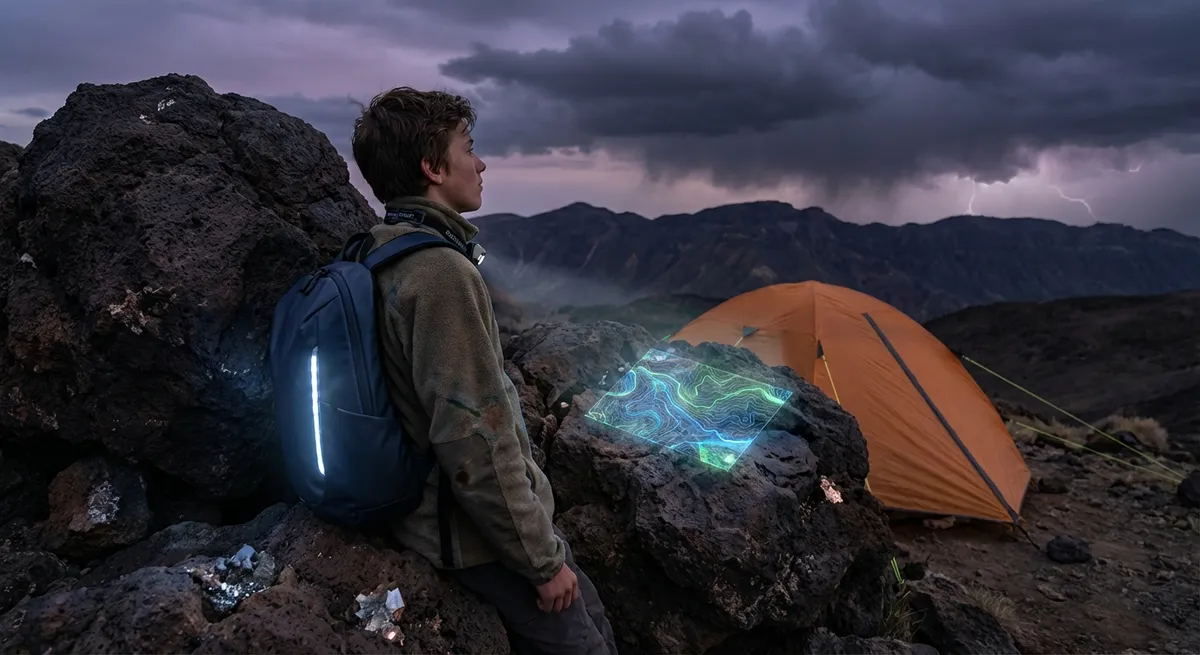
The right travel gear doesn’t just sit in your pack—it rewrites what’s possible. With the smart mix of tools, textiles, and tech, a cramped budget trip feels like a minimalist escape, a sweaty hike becomes a breezy ridge-line stroll, and a last‑minute weekend away morphs into a story you’ll be telling for years. This guide dives into gear that quietly transforms the way you move through the world, plus hidden‑gem suggestions and practical ways to stitch it all into real itineraries.
Build a Modular Kit, Not a Mountain of Stuff
Think of your gear as a living system rather than a static packing list. A modular kit lets you snap together pieces for different kinds of adventures—rainy city break, backcountry overnighter, long‑haul odyssey—without starting from zero each time.
Start with a backbone: a carry‑on‑sized backpack or duffel with a clean exterior, solid hip belt, and internal organization you’ll actually use. Aim for a sweet spot around 30–40 liters; big enough for multi‑day travel, small enough to dodge checked‑bag chaos. Inside, use lightweight packing cubes or dry bags in distinct colors: one for base layers, one for mid‑layers, one for “town clothes.” This modularity saves you from exploding your entire pack every time you need a fresh shirt.
Add “crossover” items that work everywhere. A merino wool long‑sleeve can be a hiking top, sleep layer, and café shirt. Quick‑dry pants with a clean cut can scramble over rocks in the morning and blend in at a brewery at night. A compact synthetic‑fill jacket compresses small, insulates even when damp, and doubles as a travel pillow in transit.
Finally, carve out a dedicated “mission pouch”—a small zip bag that always holds your passport, backup card, pen, and a paper copy of essential details. Whether you’re racing to catch a dawn bus into the mountains or hopping from hostel to hostel, you grab the pouch and know you’re operational.
The Lightweight Toolkit: Small Items, Big Impact
Some of the best travel gear weighs almost nothing but massively shifts comfort and safety. Think of these as your pocket‑sized superpowers.
A headlamp beats your phone flashlight every single time—on dark hostel bunks, predawn trailheads, and power‑outage nights in unfamiliar towns. Pair it with a tiny, rugged power bank and a short, multi‑tip charging cable so your navigation, camera, and emergency contacts stay live even after a long day off‑grid.
Water treatment is another small‑gear game‑changer. A compact squeeze filter or UV purifier means you can refill from questionable taps or streams on mountain routes without hunting for stores or bottled water. In regions with reliable tap water, a collapsible bottle with a built‑in filter gives you peace of mind while cutting plastic waste.
A minimalist first‑aid kit—bandages, blister care, antihistamines, painkillers, and a few alcohol wipes—turns trip‑ending annoyances into minor blips. Add a roll of athletic tape; it can support a sore ankle, patch torn gear, or reinforce a cracked phone cable.
Round it out with a microfiber towel, a tiny sewing kit (or needle plus dental floss), and a handful of zip‑top bags. Together, they help you dry off after a surprise swim, repair ripped seams in just‑remote‑enough villages, and protect passports or electronics from sudden storms.
Clothing That Works From Summit to Side Street
Adventure‑ready clothing doesn’t have to make you look like you just walked out of a gear catalog. The trick is choosing performance fabrics in toned‑down styles, so you can drift from forest trail to urban night market without stopping to change.
Start next to skin. Moisture‑wicking, quick‑dry base layers—synthetic or merino—keep you comfortable on humid hikes, in crowded trains, or during long layovers. Pack two or three tops you’d be happy wearing in photos; you’ll be seeing them a lot.
For insulation, favor breathable layers over bulky ones. A thin fleece or grid hoodie traps heat but vents well when you’re moving uphill. A packable wind shell weighs almost nothing and turns a breezy ridgeline or boat ride into a pleasure rather than a battle. In rain‑prone regions, a lightweight shell with a genuine waterproof rating and underarm vents is worth the grams.
Footwear might be the most consequential gear decision you make. Trail‑to‑town shoes—low‑cut hikers or robust trail runners—offer grip on wet rock yet look normal with jeans or casual pants. Add thin liner socks under merino hiking socks to cut down on blisters during long walking days through old cities or coastal paths.
To keep it all compact, commit to a laundry rhythm instead of packing “just in case.” A tiny bottle of concentrated soap and a sink stopper let you wash essentials overnight; a travel clothesline or a length of cord gives them a home in hostel courtyards, guesthouse balconies, and even the back of a campervan.
Hidden Gem Gear for Offbeat Routes
While big‑name gadgets steal the spotlight, a few under‑the‑radar items can unlock lesser‑known corners of your route—and make those hidden gems more comfortable to explore.
A compact pair of trekking poles folds down to fit in most packs and shines on unmaintained side trails, loose scree, and muddy approaches to waterfalls locals whisper about. They also save your knees during long downhill slogs to remote villages or lakes.
A silk or microfiber sleep liner turns questionable guesthouse mattresses, night trains, and budget refuges into tolerable nests. It adds a little warmth, a lot of psychological comfort, and keeps rental blankets from getting too personal.
For sunset ridges, urban roofs, and empty beaches, a lightweight groundsheet or reflective emergency blanket becomes your secret weapon. It’s somewhere clean to sit while you wait for the sky to catch fire, a makeshift picnic spot when you stumble across a roadside food stall, and an extra moisture barrier under a tent if you’re wild‑camping on damp ground.
If you’re drawn to coastal or lake regions, pack a tiny, roll‑up dry bag. It keeps electronics safe in kayaks and ferries, doubles as a day bag in sudden downpours, and can even haul wet clothes separately from your clean kit when you chase that last‑minute morning swim before checkout.
Itinerary Ideas That Let Your Gear Shine
The best gear is the kind you actually use, not just admire. Build itineraries that deliberately lean on what you’ve packed, and you’ll travel lighter while experiencing more.
Imagine a three‑day “transit‑to‑trail” escape: Day one starts with an early train or bus to a mid‑sized town rather than a capital city. With your modular pack and mission pouch, you navigate easily to a local market, grab picnic supplies, then hike an hour or two to a ridge overlooking vineyards or river valleys. Your wind shell and compact groundsheet make sunset comfortable, and your headlamp guides you back to a family‑run inn.
Day two, you shift from footpaths to waterways. That same compact kit makes boarding a local boat, kayak rental, or short ferry hop simple—no rolling suitcase drama. Your dry bag guards cameras and passports as you explore coves, lakes, or island villages that most people skip in favor of bigger tourist magnets. In the evening, your quick‑dry clothing is laundered and ready for the next push.
Day three is your “hidden stairways and side streets” day in a nearby city or old town. Trail‑style shoes and breathable layers let you climb viewpoints and wander back alleys without ducking back to your room for wardrobe changes. Your minimalist shoulder bag or compressible daypack holds just enough for spontaneous detours—a street‑food crawl, a museum, a steep detour to a celebrated overlook you heard about from a barista.
By letting gear decisions shape logistics (carry‑on‑only transport, walkable distances, flexible activities), your travels feel less like a checklist of attractions and more like a flowing series of small, vivid discoveries.
Packing Strategy for Different Adventure Styles
Different trips call for different emphases, but you don’t need a new kit for every style of exploration—just a shift in what you prioritize.
For urban‑heavy trips with light day hikes, keep things sleek. Focus on neutral‑colored clothing, a compact umbrella, and a comfortable pair of hybrid shoes. Add a small sling or cross‑body bag for city wandering—enough for a camera, water, and a layer. Your more technical gear (headlamp, filter, first‑aid) stays in the main pack as quiet insurance.
For trail‑centric journeys, flip the priorities. Optimize foot care (multiple sock options, blister treatment), weather protection, and on‑the‑move snacks. Your “town clothes” shrink to one versatile outfit. Trekking poles, extra water treatment options, and a beefier insulation layer become essential, especially if elevation or shoulder seasons are involved.
For road‑trip or campervan adventures, volume constraints loosen slightly, but organization becomes king. Use soft‑sided bins or larger packing cubes to create “zones”: sleep, cook, explore, clean. A dedicated “grab‑and‑go” day‑hike cube with snacks, a map, light jacket, and basic first‑aid can be tossed into a smaller backpack every time you pull over to chase a promising trailhead or viewpoint.
Across all styles, do a “reality check” after each trip. Lay out everything you didn’t use (excluding safety gear like first‑aid and rain protection). If an item skips multiple journeys without earning its keep, retire it from your core kit. Over time, you’ll hone a travel setup that feels almost frictionless.
Conclusion
Travel gear isn’t about owning the flashiest gadgets—it’s about carrying just enough thoughtfully chosen tools to make the world feel larger and more welcoming, not heavier. When your pack is dialed, you move differently: you say yes more often, climb the extra staircase, choose the slow local bus, follow an unmarked trail that locals mention offhand. You’re lighter on your feet and closer to the places you came to see.
Build a modular kit you trust, invest in a few hidden‑gem essentials, and let your itineraries be shaped by what your gear empowers you to do. The adventures that follow may be spontaneous, messy, and occasionally uncomfortable—but with the right setup, they’ll almost always be unforgettable.
Sources
- U.S. Department of State – Travel Preparation Checklist - Official guidance on documents, safety, and preparation before international travel
- Centers for Disease Control and Prevention – Traveler’s Health - Up‑to‑date health, vaccination, and safety recommendations for destinations worldwide
- REI Co-op Expert Advice – How to Choose a Travel Backpack - Detailed breakdown of sizes, features, and fit for travel‑friendly packs
- Backpacker Magazine – Lightweight Backpacking Basics - Practical tips on cutting weight while keeping essential comfort and safety gear
- Harvard Health Publishing – Travel Health Essentials - Evidence‑based advice on staying healthy on the road, from first‑aid to jet lag management