
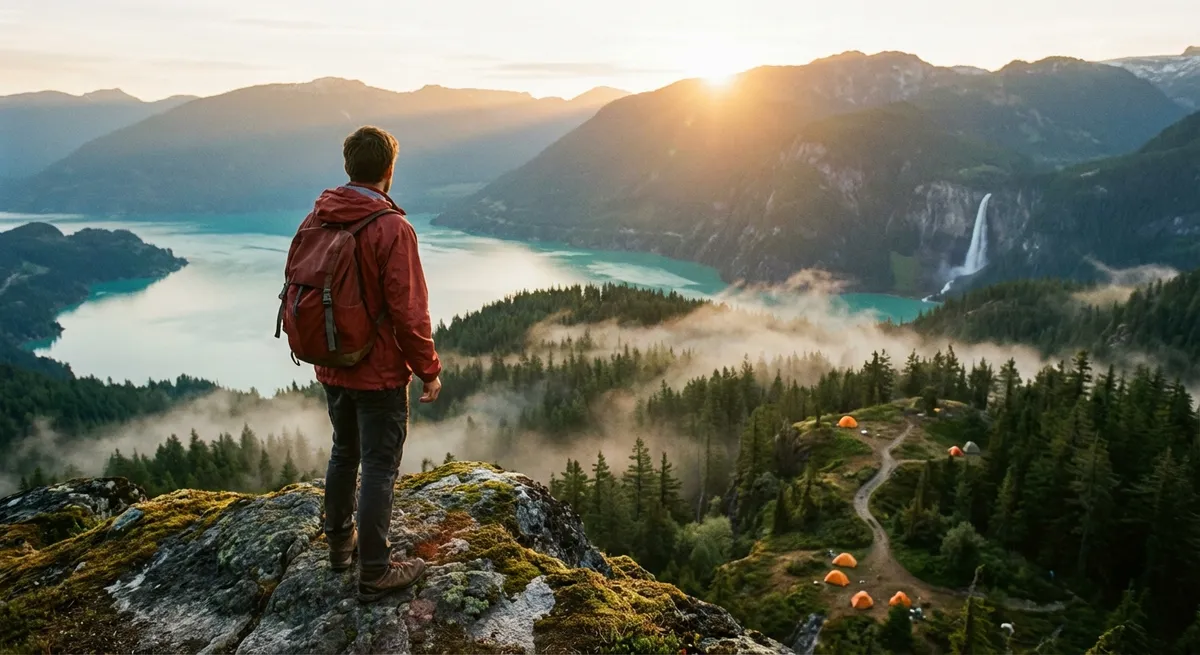
Adventure doesn’t always mean quitting your job and disappearing for six months. Sometimes it’s a five‑day escape that feels like a reset button for your life—sunrises over alpine lakes, coffee in cobblestone alleys, cliffside trails that empty your mind in the best possible way. This guide is built for travelers who want a mix of wild landscapes, vibrant local culture, and just enough structure so the trip feels smooth, not stressful.
Whether you’re a seasoned trekker or planning your first “real” adventure, you’ll find hidden gems, packing strategies, and a sample 5‑day itinerary you can adapt to mountain towns, coastal villages, or historic cities worldwide.
Choosing Your Base: Where Wild Meets Walkable
Pick one home base instead of city‑hopping every day. You’ll see more by unpacking once and exploring deeply than by spending half your time in transit.
Look for a destination with three key traits:
Nature within 60–90 minutes
Aim for a town with easy access to trails, water, or parks: think mountain towns like Chamonix or Banff, coastal hubs like Porto or San Sebastián, or gateway cities like Queenstown or Cusco. Being close to the outdoors means sunrise hikes and sunset walks without brutal wake‑up calls or long drives.
Compact, walkable center
You want café‑lined streets, local markets, and late‑night food within walking distance. This lets you ditch taxis, wander aimlessly, and follow your curiosity into back alleys, bookstores, and tiny bars.
Public transport or local tour infrastructure
Buses to trailheads, ferries to islands, or shared shuttles to national parks will save you money and stress. Check ahead for seasonal schedules and whether you need reservations for popular routes.
Hidden gem ideas you can adapt:
- Mountain Towns:
- Cortina d’Ampezzo, Italy (Dolomites) – Spectacular alpine scenery with less chaos than Venice or Milan; dozens of day hikes accessible by bus or cable car.
- Bozeman, Montana, USA – A lively small town vibe, easy access to Yellowstone, hot springs, and surprisingly good food.
- Coastal Corners:
- Nazaré, Portugal – Known for monster waves in winter, but in shoulder seasons it’s calmer, cheaper, and full of cliff hikes and ridge‑top viewpoints.
- Takamatsu, Japan – A port city with ferries to art‑filled islands like Naoshima, plus tranquil gardens and fewer crowds than Osaka or Tokyo.
- Historic Gateways:
- Granada, Spain – The Alhambra draws tourists, but step away and you’ll find Moorish alleys, hilltop viewpoints, and day‑trip access to the Sierra Nevada mountains.
- Ljubljana, Slovenia – A green, bike‑friendly capital with lakes, caves, and alpine valleys within day‑trip range.
Smart Packing: The 20‑Item Adventure Capsule
The less you carry, the more you notice. Traveling light makes buses, crowded streets, and last‑minute detours fun instead of exhausting. Aim for a carry‑on backpack (30–40L) plus a small daypack.
Clothing (around 10 core items)
- 1 lightweight waterproof shell – For wind, rain, and sudden temperature drops.
- 1 insulating layer – Fleece or synthetic puffy; down if you’re confident it won’t stay wet.
- 2 quick‑dry t‑shirts – Merino wool or synthetics beat cotton for odor control.
- 1 long‑sleeve sun/bug shirt – For high UV trails or mosquito‑prone areas.
- 2 bottoms – One pair of travel/hiking pants and one pair of shorts or leggings.
- 1 nicer outfit – A casual dress or clean shirt/pants combo for restaurants or city nights.
- 3–4 pairs of underwear + 3 pairs of socks – Quick‑dry so you can wash in the sink.
Footwear
- 1 primary pair: sturdy sneakers or light hikers you can wear in town and on trail.
- Optional 2nd pair: sandals or packable flats for showers, beaches, or evenings.
Field Essentials
- Daypack (15–20L) with hip belt or chest strap.
- Refillable water bottle or soft flask (1–2L total capacity).
- Compact headlamp – More useful than a phone flashlight on uneven paths or late‑night walks.
- Hat + sunglasses + sunscreen – Even in cold climates, the sun at altitude is intense.
- Basic first aid kit – Band‑aids, blister care, pain reliever, antihistamine, any personal meds.
- Multi‑use cloth or bandana – Towel, sun shield, picnic cloth, makeshift filter.
Tech and Documents
- Offline maps downloaded for the region.
- Portable charger – Especially important for navigation and e‑tickets.
- Local SIM or eSIM plan if your phone supports it.
- Printed or offline copies of IDs and reservations in case your phone dies.
Keep one small “grab pouch” with passport, cash, cards, and a pen. That’s the thing you never let out of sight: under the seat on buses, in your lap at cafés, clipped inside your daypack on trails.
The 5‑Day Adventure Blueprint
Here’s a flexible structure you can drop onto almost any destination: mountain town, coastal escape, or historic city with nearby wilderness. Adjust activities to your fitness level and travel style.
Day 1 – Arrival & Orientation
- Arrive early if possible. Drop luggage, then walk, don’t sit. A gentle exploration helps you adjust to new surroundings and time zones.
- Do a “compass loop.” Walk a rough circle around your base: main square, bus or train station, grocery store, pharmacy, riverfront or park. This mental map saves you time all week.
- Scout sunrise/sunset spots. Find a nearby hill, bridge, or riverside path where you can watch the sky shift colors later.
- Eat where locals line up. Skip the closest tourist restaurant and look a block or two away for crowded, unpolished spots.
Hidden gem move: Ask your host or bartender: “If you had tomorrow off and good weather, where would you go for a half‑day outside town?” Write down their first answer. Locals often skip the “famous” view for the better one.
Day 2 – Signature Hike or Outdoor Highlight
This is your marquee adventure day.
- Start earlier than you think. Trailheads and popular sites are peaceful at opening time. You’ll beat crowds and midday heat.
- Pick a route with a clear bailout option. A loop with shortcuts, an out‑and‑back you can turn around on, or a trail with multiple bus stops along the way.
- Carry layers even in perfect weather. Weather in mountains and along coasts can shift in under an hour.
- Stop often, not just at the “end.” Some of the best photos and memories come from side paths, tiny shrines, or unmarked overlooks.
If you’re near water, swap the hike for a kayak outing, island ferry hop, or coastal cliff walk. The principle is the same: one focused half‑ or full‑day immersion in nature.
Day 3 – Culture, Food, and Side Streets
Let your legs recover while your curiosity does the climbing.
- Hit a morning market. Watch how locals buy produce, bread, and coffee. Markets are great for picnic supplies and people‑watching.
- Visit 1–2 key cultural sites, not 6. A fortress, a temple complex, a famous museum—pick a couple and give them space rather than racing through a checklist.
- Leave room for “unscheduled wandering.” Choose a neighborhood and allow yourself 2–3 hours of aimless exploration: doorways, street art, local parks, tiny galleries.
- Try a regional specialty dish. Ask restaurant staff what they’d serve a friend visiting for one night only.
Hidden gem move: Step into the quiet spaces—small local museums, community art centers, cemeteries, or old libraries. These often tell a more honest story of a place than the major monuments.
Day 4 – Offbeat Adventure & Local Connection
Now that you know the lay of the land, it’s time to veer off the obvious path.
Ideas you can adapt anywhere:
- Secondary trail or viewpoint: Ask about a “local favorite” waterfall, ridge walk, or swimming spot that doesn’t appear in glossy brochures.
- Bike rental day: Ride along rivers, canals, coastal roads, or into nearby villages. Stop for bakery breaks and photo pauses.
- Hands‑on experience: Cooking class, pottery workshop, surf lesson, or foraging walk led by local guides. These stay with you long after the trip.
- Evening with locals: Check for language exchanges, small concerts, or community events posted on café notice boards.
Leave your evening loose for spontaneous invites: a second drink with new friends, a last‑minute show, or one more sunset at your favorite lookout.
Day 5 – Slow Morning, Last Look, and Exit Strategy
Departures feel less chaotic when you plan them like part of the adventure instead of an afterthought.
- Pack the night before. Keep only morning essentials out so you’re not doing a frantic scavenger hunt.
- Take a farewell walk. One last stroll to a viewpoint, along the waterfront, or through your favorite alley. Notice the details you missed at first: scents, the angle of light, how locals move.
- Buy one meaningful thing. A small item that connects to an experience—a spice you cooked with, local honey, a handmade cup, a paperback from a regional author.
- Arrive early to your transport hub. Extra time beats sprinting with bags and a racing heart.
Use the plane, train, or bus ride to jot down what you’d repeat, what you’d skip, and which nearby places this trip made you curious to explore next.
Hidden Gem Hunting: How to Find the Quiet Corners
You don’t need secret passwords to discover low‑key, unforgettable spots—just a few smart habits.
- Zoom out, then in on maps. Look for green patches (parks, forests), blue areas (lakes, rivers, small beaches), and squiggly gray lines (paths or minor roads). Tap on unlabeled viewpoints and lookouts.
- Ask highly specific questions. Instead of “What should I see?”, try:
- “Where do you go to clear your head?”
- “Is there a place where locals watch the sunset?”
- “If you wanted a quiet picnic, where would you go?”
- Visit places at unexpected times. A busy plaza at noon might be soft and nearly empty at sunrise. A popular viewpoint might be deserted at blue hour after sunset.
- Follow utility paths. Small tracks used by dog walkers, joggers, or farmers often lead to unexpected vistas: river bends, hilltop benches, old stairways with sweeping views.
When you find a special spot, treat it gently: pack out trash, avoid loud music, and skip geotagging if the area is fragile or clearly not built for big crowds.
Safety, Sustainability, and Respect on the Trail and in Town
Adventure loses its magic if it harms you, others, or the places you’ve come to admire. A few core principles go a long way.
Safety Basics
- Know your limits. If a trail description says “exposed,” “scramble,” or “technical,” verify what that means in this region’s context. Ratings can vary wildly.
- Check official info. Park or tourism websites often post trail closures, weather alerts, and safety tips specific to the area.
- Share your plans. Tell someone your route and rough return time. In remote areas, consider a GPS device or local guide.
- Listen to your gut. If the weather turns, the path looks unsafe, or you’re exhausted—turn around. A future you will thank you.
Leave No Trace and Local Respect
- Stay on marked paths. Shortcutting switchbacks erodes trails and scars hillsides.
- Carry all trash, including “biodegradable” items. Orange peels, tissues, and gum don’t vanish nearly as quickly as you think.
- Ask before photographing people. Especially in markets, religious sites, and small villages.
- Dress thoughtfully. In many places, shoulders covered and knees modestly hidden feel more respectful in religious or rural contexts.
- Support local economies. Choose locally owned guesthouses, guides, restaurants, and maker‑run shops when possible.
Conclusion
The best adventures don’t demand perfect fitness, expensive gear, or a year off. They ask for something far more accessible: attention, curiosity, and a willingness to step slightly outside your comfort zone.
Choose one solid base. Pack light but smart. Build a rhythm that alternates big outdoor days with slow cultural ones. Ask better questions, follow quieter paths, and leave every place a bit better than you found it.
From alpine passes to harbor towns and hidden stairways above old rooftops, the world is full of destinations that can transform a short trip into something that feels much bigger than five days. The horizon is waiting; the rest is logistics.
Sources
- Centers for Disease Control and Prevention – Travelers’ Health – Up‑to‑date health, vaccination, and safety guidance for international travel
- Leave No Trace Center for Outdoor Ethics – Detailed explanation of the seven Leave No Trace principles for minimizing impact outdoors
- U.S. National Park Service – Hiking Safety Tips – Practical advice on trail safety, preparation, and what to bring on hikes (relevant worldwide)
- REI Co‑op – How to Pack a Backpack – Expert breakdown of efficient packing strategies and gear organization for outdoor trips
- UNESCO World Heritage Centre – Official list and details of cultural and natural sites around the world, useful for researching destinations and nearby hidden areas