
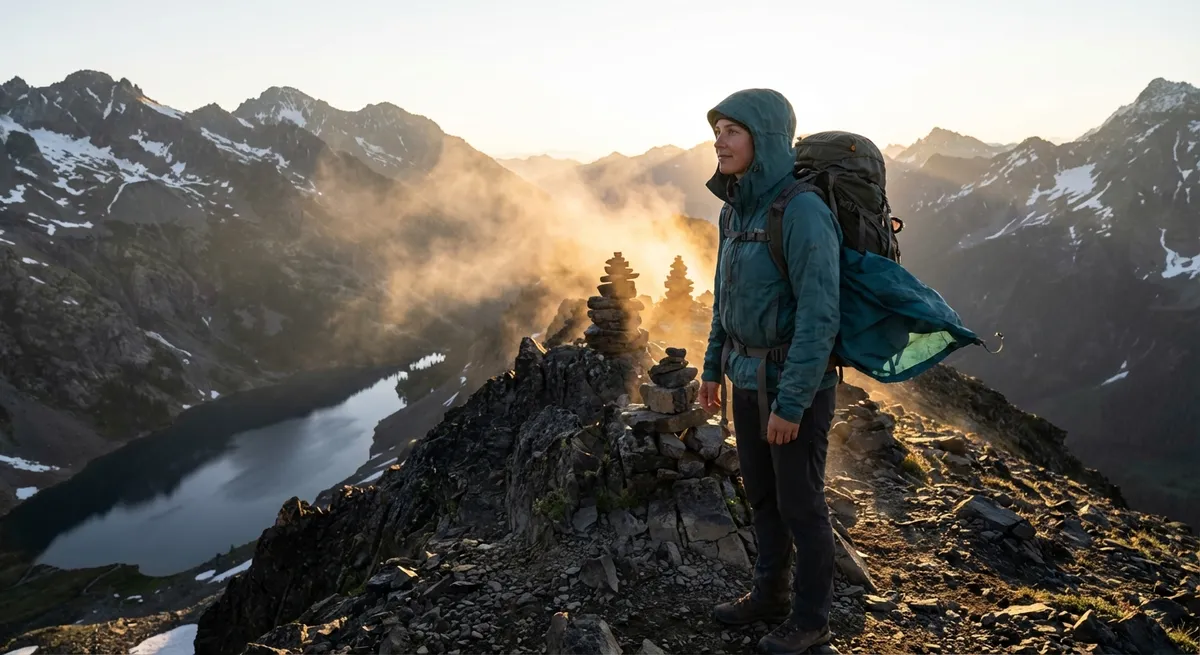
Adventure begins long before your boots hit the trailhead or your carry-on thumps into an overhead bin. It starts with a map, a half-formed idea, and that flicker of curiosity that says, “What if I went there instead?” Pinecrest View is all about chasing those “what ifs” into real, dirt-under-the-fingernails experiences—whether you’re planning your first weekend hike or your fifth multi-country trek. This guide blends wild-hearted inspiration with grounded, practical advice: hidden-gem destinations, smart packing, and flexible itineraries that leave space for serendipity.
Hidden Gems: Destinations Beyond the Usual Bucket List
The best stories rarely come from the most crowded viewpoints. While icons like Yosemite and Paris deserve their fame, it’s often the lesser-known corners that feel most like they’re “yours.” Think of these as templates—types of places to look for—rather than a rigid checklist.
Consider trading Europe’s busiest capitals for smaller adventure hubs. In Spain, swap Barcelona’s Ramblas for the dramatic cliffside trails and quiet coves around Cadaqués and the Cap de Creus Natural Park, where coastal paths wind between cactus, wild rosemary, and turquoise inlets. In Slovenia, Ljubljana often grabs the headlines, but the Soča Valley—with its jade-green river, WWII history, and network of hiking and cycling routes—offers a raw, cinematic backdrop without the crush of tour buses.
If you’re mountain-minded in North America, skip the most overrun national parks during high season and aim for their softer-spoken neighbors. Instead of Zion in April, look at Capitol Reef or Grand Staircase–Escalante in Utah, where slot canyons, slickrock domes, and primitive campsites let you feel utterly removed—provided you respect desert safety and navigation. In the Pacific Northwest, the North Cascades and lesser-known state parks like Deception Pass or Moran State Park can deliver moody forests, emerald lakes, and rugged ridgelines with far fewer crowds than the best-known viewpoints at Mount Rainier.
Coastal explorers can seek underrated shorelines with strong outdoor infrastructure. Portugal’s Alentejo coast and the Rota Vicentina trail network thread villages, sea cliffs, and empty beaches; it’s easy to stitch together day hikes using local buses or small guesthouses. In Southeast Asia, consider northern Laos or Vietnam’s Ha Giang Loop rather than only sticking to the classic Ha Long Bay–Angkor circuit; just be sure to choose reputable guides and respect local communities’ pace and customs.
The pattern is simple: look for places with trail networks, regional parks, or long-distance paths; scan maps just beyond famous hotspots; and read local tourism and national park websites for lesser-known routes. That’s where you’ll often find the real narrative of a region—still wild, still changing, still ready to challenge you.
Smart Packing for Explorers: Gear That Actually Earns Its Space
Every adventurous trip demands a balance between “be prepared” and “travel light.” The goal isn’t to own every gadget—it’s to carry a tight, versatile kit that lets you pivot from a misty morning hike to a last-minute night train without feeling weighed down.
Start with your layers. A moisture-wicking base layer, a warm mid-layer (like a fleece or light insulated jacket), and a waterproof shell will handle most climates when combined thoughtfully. Choose quick-dry fabrics over cotton; they’re indispensable when you’re caught in a sudden downpour, washing clothes in a hostel sink, or sweating up a steep switchback. For footwear, bring one primary pair that can tackle your main activity (light hiking shoes or trail runners for many trips) and a simple backup—often sandals or compact slip-ons—so your feet can breathe at camp or in the city.
Think in terms of modular “kits” rather than a chaotic bag. A small packing cube for trail clothes, another for city wear, a waterproof pouch for electronics, and a compact toiletry kit with solids where possible (bar soap, shampoo bars, and toothpaste tabs) reduce leaks and clutter. A 20–30L daypack that packs flat into your main bag is invaluable for side hikes, grocery runs, and spontaneous photo missions.
Safety and navigation are non-negotiable. Even if you rely on your phone, pack a compact battery bank, offline maps, and—where appropriate—a basic paper map of your primary hiking region. In more remote or high-risk environments, consider a satellite communicator or PLB, but in many places, a whistle, a minimalist first-aid kit, and a headlamp with fresh batteries already increase your margin of safety dramatically.
Don’t forget a “comfort kit” tailored to you: a buff or bandana (sun shield, towel, emergency bandage), a tiny bag with blister care (tape, second-skin, antiseptic wipes), and a collapsible water bottle or soft flask you’ll actually use. These small items transform misery into manageable discomfort and help keep you moving when conditions are less than ideal.
Crafting Flexible, Adventure-Ready Itineraries
The most memorable itineraries are structured enough to keep you moving, but loose enough to let you chase unexpected trails, conversations, or sunrises. Think of your plan as a backbone, not a cage.
Start by anchoring your trip around 2–4 “pillars”: a multi-day trek, a region you really want to explore in depth, or a specific outdoor experience such as sea kayaking, a via ferrata, or a long-distance cycling route. Build 2–3 nights around each pillar, then connect them with transit days that include room for short explorations—like a river walk, a hillside viewpoint, or a local market near your bus or train stop.
Layer in “light” and “heavy” days to avoid burnout. A heavy day might be a strenuous hike, a long paddle, or a dawn-to-dusk exploration of a volcanic landscape; follow it with a lighter one featuring gentle walking, a café, or a museum so your body and mind can recharge. When possible, stay at least two nights per location—this gives you one full day to explore and one flexible half-day to pivot based on weather or local tips.
Weather is your biggest wild card in outdoor-focused trips. Always have a Plan B and Plan C that are just as appealing as your Plan A: if a mountain ridge is socked in with storms, maybe there’s a lower valley route, a lakeside town, or a canyon hike that’s safer and still spectacular. Checking local park websites or ranger stations upon arrival can give you real-time info on trail closures, wildfire impacts, or avalanche risks you may not see on generic travel blogs.
Finally, embed local experiences into your route. Look for farmers’ markets, night food stalls, hot springs, or small cultural festivals along your path. Many of these are easy to find on local tourism boards’ event calendars or by asking guesthouse owners and café staff. These “soft adventures”—sharing a table, learning a few phrases in the local language, joining a sunset walk with new friends—anchor your wilder moments in real human connection.
Outdoor Safety and Leave No Trace on the Road
Adventurous travel only stays magical if we keep the wild places we love healthy, accessible, and respected. Before lacing up, familiarize yourself with the basics of the local environment: altitude, wildlife, terrain type, and seasonal hazards like monsoon rains, heat waves, or early snow. A short conversation with a ranger, guide, or seasoned local can reveal more about real risks than hours of scrolling.
Follow Leave No Trace principles wherever you roam. Stay on established trails to prevent erosion, pack out all trash (including food scraps and tissues), and respect wildlife by keeping your distance and securing your food. In fragile alpine or desert environments, even a few misplaced footsteps can scar the landscape for years; treating these spaces as living, finite systems rather than backdrops changes how you move through them.
Hydration and sun protection are universal concerns. Carry more water than you think you need on exposed routes, use a hat and high-SPF sunscreen, and learn the signs of heat exhaustion and hypothermia, especially if you’re traveling between radically different climates. For higher-altitude adventures, build in acclimatization days, ascend gradually, and listen to your body; pushing through serious altitude symptoms isn’t “tough,” it’s dangerous.
If you’re venturing into very remote or politically unstable areas, consult government travel advisories and consider reputable local guides who understand the terrain, communities, and current conditions. Adventure doesn’t mean recklessness; it means stepping outside your comfort zone with intention, humility, and a willingness to turn back when a route, river, or ridge doesn’t feel right.
Conclusion
Adventure travel is less about ticking off destinations and more about how you move through them: light on your feet, curious, prepared, and open to being surprised. By seeking out hidden-gem regions just beyond the tourist magnets, packing a lean but capable kit, and designing itineraries that flex with weather, mood, and chance encounters, you give yourself space to actually experience a place instead of just passing through it.
The world is full of quiet valleys, windswept coasts, and high ridges that don’t yet have their own hashtag—but they’re waiting for you all the same. Plan well, tread lightly, and leave every landscape a little better than you found it. That’s the Pinecrest View way: wild-hearted, thoughtful, and always ready for the next horizon.
Sources
- U.S. National Park Service – Trip Planning & Safety - Guidance on safe recreation, preparation, and park-specific conditions
- Leave No Trace Center for Outdoor Ethics - Overview of the 7 Leave No Trace principles for responsible outdoor travel
- Centers for Disease Control and Prevention – Travelers’ Health - Health, vaccination, and safety information for international travelers
- Slovenia Tourism – Soča Valley - Official details on hiking, activities, and nature in the Soča Valley region
- Rota Vicentina Official Site - Information on Portugal’s coastal and inland trails, stages, and planning tools