
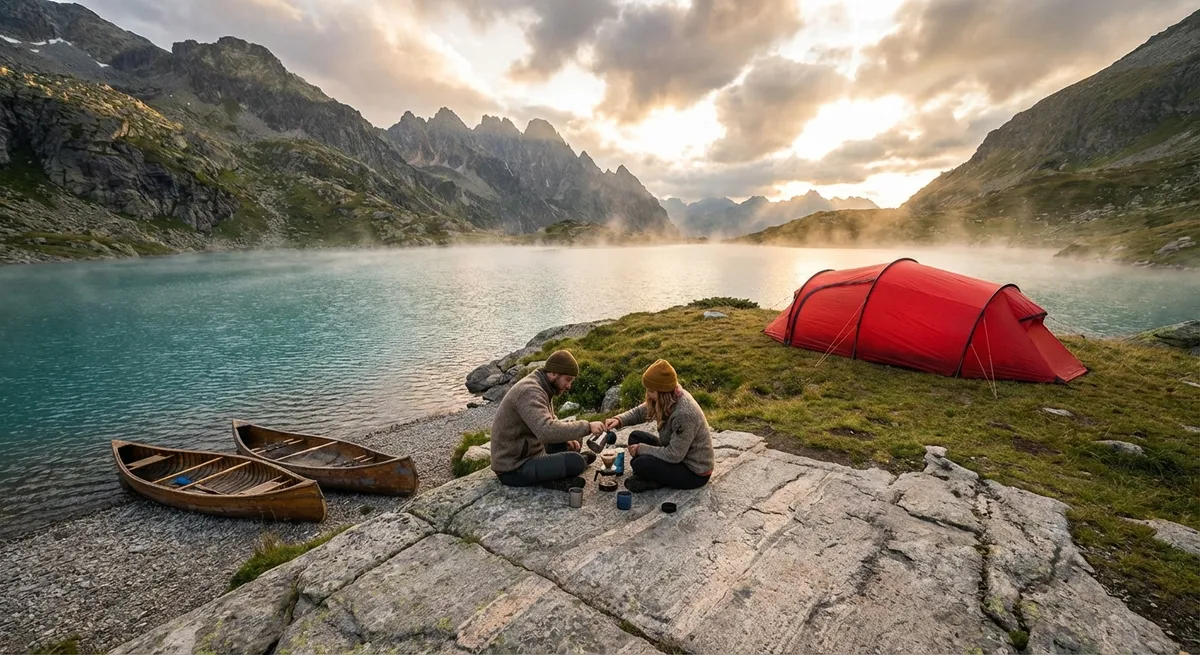
Some trips unfold on maps; others are written in reflection—peaks mirrored in still water, bootprints fading into pine needles, the hiss of a camp stove rising over glassy shorelines. Alpine lakes are where the wild feels both intimate and cinematic: close enough for a long weekend, remote enough to feel like you slipped into another world. This is your playbook for chasing those high-country shorelines—how to find them, savor them, and leave them wilder than you found them.
Reading the Map Differently: How to Find Your Own Alpine Shoreline
The best alpine lakes rarely scream for attention; they hide behind a couple of contour lines and an unassuming trailhead. Instead of searching “best hikes near me,” start by scanning topographic maps for tight contour lines surrounding small blue pools. Lakes tucked above 6,000–7,000 feet often bring cooler temps, fewer bugs, and clearer skies, especially in late summer.
Use satellite view to spot unofficial beaches, rocky outcrops, and inlets that catch the evening light. Look for access from less obvious trailheads—old forest roads, small parking pullouts, or side trails that connect to bigger routes. When everyone else marches to the main viewpoint, you’ll be peeling off toward quieter water.
Check recent trip reports on local park or forest service sites and regional hiking forums. Snowpack depth, road closures, and fire activity can make or break an alpine lake weekend, and conditions can change fast at elevation. Always confirm whether you’re heading into a national park, national forest, or wilderness area; the rules shift subtly across boundaries, from permit requirements to campfire restrictions.
Hidden Corners: Lakes That Feel a World Away
While the exact spot you choose might be a closely-guarded secret, there are patterns that lead to quieter, more soulful shorelines. Aim for lakes that are:
- One valley past the “famous” one. If everyone is lining up at the marquee trail, look at the parallel drainage—there’s often a sister lake with half the foot traffic.
- Reached by a short, rough road. If your vehicle can handle graded dirt or washboard forest roads, you instantly filter out a huge percentage of visitors.
- Sitting on a loop or traverse, not an out-and-back. Backpackers tackling longer routes often camp elsewhere, leaving lakes near midpoints surprisingly mellow.
Consider lesser-hyped alpine regions: the shoulder-season Rockies, the volcanic basins of the Cascades, or high plateaus in Utah and Colorado where lakes feel stranded on the sky. In California’s Sierra Nevada, for example, many lesser-known lakes lie just off main passes or tucked into side basins—add a mile and a couple hundred feet of gain and you trade crowds for solitude.
No matter where you wander, cross-check your dream lake with official maps for camping zones, bear canister requirements, and fire rules. The alpine is fragile; finding hidden corners carries the responsibility to treat those places like sacred spaces, not just scenic backdrops.
Pack Smart for the Shoreline: Gear That Earns Its Place
Alpine lakes demand a different packing mindset than lowland hikes or car camping. The air is thinner, the weather moodier, and the water both invitation and hazard. Pack with intention:
- Layers are non-negotiable. Mornings can be frosty even in August. Combine a breathable base layer, a warm mid-layer (like a fleece or light puffy), and a waterproof shell. Wind off the water can feel brutal on bare skin, especially after a quick swim.
- Footwear with grip and drainage. Trails around alpine lakes are often rocky and braided with small streams. Lightweight hiking shoes or boots with solid tread and decent toe protection keep you upright on wet rock. Pack thin camp shoes if you’re planning shoreline wandering or cold plunges.
- A compact sit pad or lightweight camp chair. You’ll spend more time than you think lingering by the water. A tiny bit of comfort turns “quick view” into “full afternoon of reading, journaling, and watching light change.”
- Water protection for essentials. Weather can roll in quickly at altitude. Keep your phone, map, and an extra base layer in a dry bag or waterproof stuff sack.
- Sun armor. Reflection off the lake amplifies UV exposure. A wide-brim hat, polarized sunglasses, mineral sunscreen, and a light sun hoodie will save you from roasting at 8,000 feet.
For cooking, a canister stove and a simple pot are usually enough. Fuel burns faster at elevation and in wind, so carry a bit extra and bring a windscreen. Many alpine areas ban campfires above certain elevations; consider your stove your campfire substitute and plan cozy meals around it.
Your Lake-Loop Weekend: A Sample Two-Night Itinerary
Use this flexible template to shape your own “mountains-meet-water” escape, whether you’re road-tripping from a nearby town or flying in for a long weekend.
Day 1: Ascent and Arrival
Arrive at the trailhead by mid-morning to avoid hiking in the harshest sun. Keep your first-day mileage modest—4 to 7 miles with steady gain is ideal when you’re adjusting to altitude. Pace yourself; the goal is to reach the lake with enough daylight left to explore, not to stumble in at dusk.
Once you arrive, scout for a durable campsite at least 200 feet from the shoreline (and follow specific local regulations). You want a spot with morning sun if possible; cold air pools at low points and in shadowed basins. After camp is set, wander the lakeshore without your pack. Mark side trails to rock outcrops, inlets, or high points where you might catch sunset or sunrise.
Cook a simple, carb-heavy dinner, hydrate well, and keep your first night mellow. You’ll sleep easier if you set out layers, headlamp, and water bottle before dark. If stargazing is on your agenda, use a red headlamp setting to preserve night vision and keep the shoreline peaceful.
Day 2: The Ridge and the Reflection
Start early to catch the lake at its stillest—sunrise reflections are often the highlight of the entire trip. Brew coffee or tea as the first light hits the ridgeline, and watch how the color gradients shift across the water. This is prime time for photography and quiet journaling.
With your camp established, hike light. Plan a half-day adventure: maybe a ridge above the lake, a neighboring basin, or a pass with a view into the next valley. Bring microspikes or trekking poles if you expect lingering snowfields. Keep an eye on building clouds—afternoon thunderstorms are common in many alpine regions.
Return by mid-afternoon for a cold plunge, shoreline nap, or lazy paddle if your lake allows packrafts or lightweight inflatables (and if regulations permit). Evening can be devoted to a longer, more elaborate meal, swapping stories with travel partners, or simply listening to the wind thread through the pines.
Day 3: Descent with Intention
Break camp early but don’t rush the goodbye. Take one last slow circuit along the shore, checking for forgotten gear and micro-trash. Refill water, pack out everything, and smooth disturbed ground as best you can without “gardening” the site.
On the way down, take the unofficial side spurs you skipped on the climb—short detours to overlooks, cascades, or meadows can stretch the descent into a final mini-adventure. Back at the trailhead, do a quick gear audit: what stayed buried in the pack, what you wished you had, what absolutely earned its place. That reflection is your secret weapon for the next trip.
Lakeside Skills: Safety, Weather, and Respectful Adventure
Alpine lakes are gorgeous—and unforgiving when misunderstood. A little mountain literacy goes a long way.
Weather at elevation can swing from sun to hail in under an hour. Check multiple forecasts that cover both the nearest town and the specific elevation of your lake. Dark, rapidly building clouds, sudden temperature drops, and increasing wind are signals to get off exposed ridges and away from tall, isolated trees or open shorelines.
Cold water shock is real even in midsummer. If you plan to swim, ease in gradually and keep sessions short. Know the signs of hypothermia: slurred speech, clumsiness, confusion, and uncontrollable shivering. Have a dry towel and warm layers ready before you even touch the water. Treat swimming at high altitude as an invigorating ritual, not an endurance contest.
Wildlife in alpine zones is often less habituated to humans, which is a gift and a responsibility. Store food properly—often in bear-resistant canisters or using approved storage systems—to protect both your supplies and the animals’ long-term survival. Give any animal a wide berth, even the “cute” ones like marmots or pikas; they can damage gear and spread disease.
Above all, alpine shorelines demand strict Leave No Trace practices. Stay on durable surfaces, avoid trampling fragile vegetation, and skip building rock cairns or “driftwood art.” The quieter your footprint, the more these places retain the wild, unscripted feel you came for.
Tuning Your Trip to Your Experience Level
Whether this is your first overnight near an alpine lake or your twentieth, there’s always a way to calibrate the challenge.
If you’re newer to backcountry travel, start with:
- Shorter approaches (under 5 miles) with moderate elevation gain.
- Lakes with well-marked trails and clear camping regulations.
- Trips synced with peak season, when snowfields are melted and daylight is generous.
Bring a paper map and know how to read it; don’t rely solely on a phone app, especially in cold conditions where batteries drain faster. Traveling with more experienced friends or joining a local hiking club trip for your first alpine lake overnight can compress years of learning into a few days.
If you’re more seasoned, experiment with:
- Traverses that link multiple lakes over several days.
- Shoulder-season trips where you may encounter light snow or colder temps.
- Incorporating light off-trail navigation, if regulations and terrain allow, to reach lesser-known basins.
Regardless of experience, build in margin—extra food, backup navigation, a conservative turnaround time. Alpine lakes tend to lure you “just a little farther” with that next ridge or neighboring pool. Give yourself the bandwidth to explore without flirting with risk.
Conclusion
Alpine lakes are where landscapes slow you down: where afternoons stretch into entire chapters of a trip, written in ripples and ridgelines instead of scheduled attractions. Building a weekend around these high-country waters means rearranging your priorities—trading constant movement for deliberate presence, crowded overlooks for silent inlets, and checklist travel for the simple joy of watching light and weather dance across a mountainside mirror.
Pack lightly but wisely, read the land as carefully as you read the map, and treat every shoreline as if you’ll return in twenty years hoping to find it unchanged. The mountains will do the rest—reflections, cold plunges, star-pricked skies—and you’ll carry those mirrored moments long after the last bit of trail dust shakes from your boots.
Sources
- National Park Service – Hiking Basics - Covers essential safety, planning, and preparedness tips for hiking in U.S. national parks, many of which include alpine lake regions.
- U.S. Forest Service – Leave No Trace Principles - Explains how to minimize impact in fragile environments like alpine shorelines.
- Centers for Disease Control and Prevention – Cold Water Safety - Details the risks of cold water immersion and how to reduce the danger of cold shock and hypothermia.
- American Hiking Society – Trail Safety and Preparedness - Offers practical hiking safety guidance, from gear choices to weather awareness and navigation.
- National Weather Service – Mountain Weather Safety - Provides insight into rapidly changing mountain weather and how to interpret and prepare for alpine conditions.